Trump Moves to End Birth Tourism, Calls US Citizenship a 'Priceless Gift'
Synopsis
President Trump has announced action to end birth tourism, calling US citizenship a 'priceless and profound gift.' The move revives a long-standing Republican push to narrow the 14th Amendment's automatic birthright citizenship provision and is expected to face significant legal challenges.
Key Takeaways
Trump has announced action to end birth tourism in the United States .
Birth tourism involves non-residents traveling to the US to give birth and secure automatic citizenship for their child under the 14th Amendment .
Trump first publicly floated ending birthright citizenship via executive order in 2018 but did not follow through during his first term.
The Citizenship Clause of the 14th Amendment grants citizenship to all persons born on US soil, a provision courts have broadly upheld for children of non-citizens.
The specific legal mechanism of the announced action — executive order, visa rule, or legislation — remains to be confirmed and is likely to face court challenges.
The move continues a long-standing Republican effort to reframe automatic birthright citizenship as an immigration loophole.
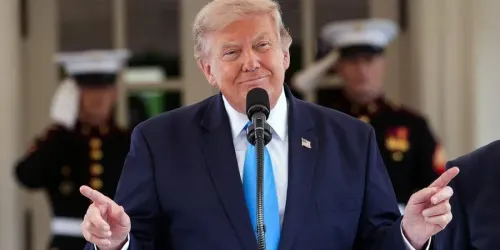
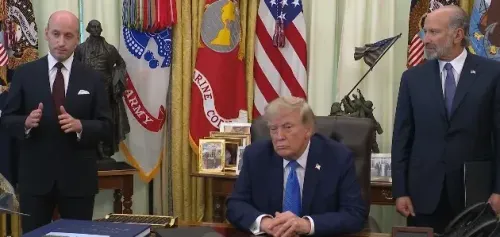
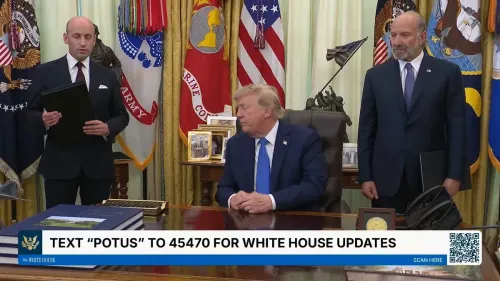
A practice that has quietly drawn millions of dollars and thousands of foreign nationals to American maternity wards is now in the crosshairs of the White House. President Donald J. Trump has announced what his administration is calling a historic action to end birth tourism — the practice of traveling to the United States specifically to give birth and secure automatic citizenship for a child under the 14th Amendment.
What is birth tourism and why does it matter now?
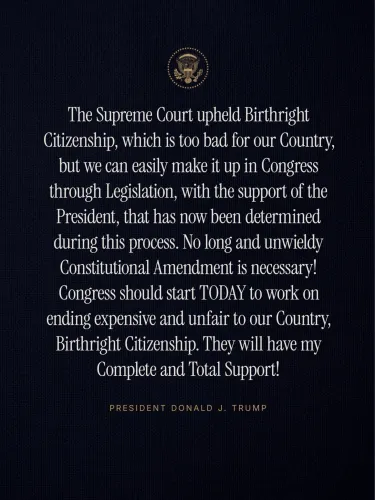
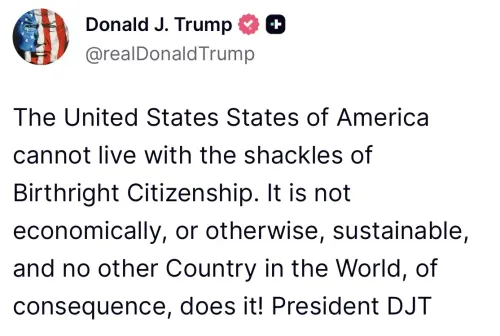
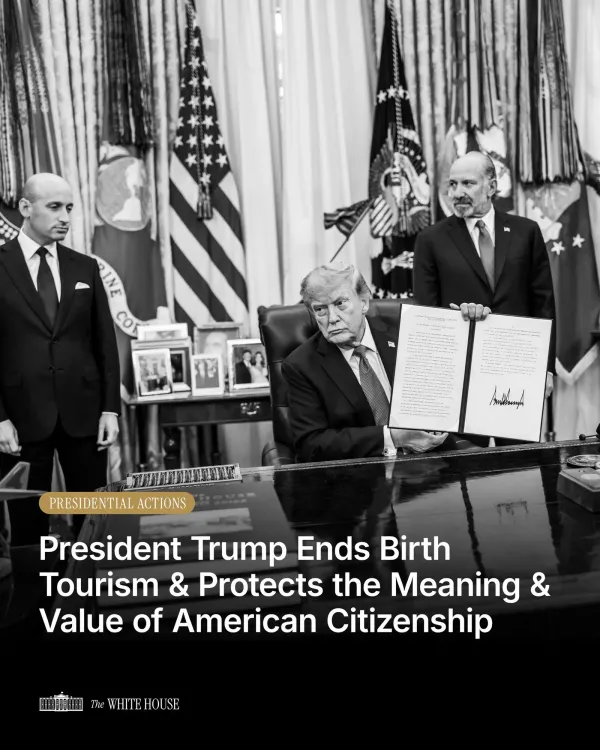
Birth tourism is built on a straightforward legal reality: a child born on US soil is, under the Citizenship Clause of the 14th Amendment, automatically a US citizen. Non-resident parents — often from countries where American citizenship carries enormous economic and visa advantages — have long traveled to the US in the final weeks of pregnancy to exploit this provision. The White House, in its post, framed US citizenship as 'a priceless and profound gift' — a gift, the administration argues, that is being taken rather than earned.
The announcement marks a significant escalation in a debate that has simmered for years. As far back as 2018, Trump publicly floated the idea of an executive order targeting birthright citizenship for children of non-citizens. That proposal never materialised into formal policy during his first term, making this new action — whatever its precise legal form — a notable next step.
The 14th Amendment: the legal battleground
Any effort to curtail automatic birthright citizenship faces a formidable constitutional obstacle. The 14th Amendment, ratified in 1868 primarily to guarantee citizenship to formerly enslaved Americans, states that 'all persons born or naturalized in the United States, and subject to the jurisdiction thereof, are citizens.' Courts have broadly interpreted this to include children of non-citizens born on US soil. Whether an executive action — as opposed to a constitutional amendment — can alter that interpretation is a question that legal scholars and federal courts are almost certain to contest.
The administration's framing, however, targets a narrower and arguably less constitutionally protected slice of the issue: birth tourism as an immigration enforcement problem, rather than a direct challenge to the 14th Amendment itself. Visa restrictions on pregnant travelers or tightened scrutiny at ports of entry could be pursued through regulatory channels without directly amending the Constitution.
A long Republican campaign finds its moment
Trump's move fits squarely into a decades-long effort by Republican administrations and lawmakers to reframe automatic birthright citizenship as an unintended loophole rather than a foundational right. Critics of that position argue the 14th Amendment's language is unambiguous and was designed to be inclusive. Supporters of reform counter that the amendment's authors never envisioned its application to temporary visitors or undocumented entrants.
The specific contours of the announced action — whether an executive order, a visa policy directive, or a legislative push — will determine how far this moment actually travels. But the political signal is unmistakable: the Trump administration is treating the citizenship question not as settled law, but as an open fight worth having.
The next move belongs to the courts — and to Congress.
Point of View
The administration is attempting to thread a constitutional needle: targeting the practice through immigration enforcement rather than a frontal assault on birthright citizenship itself. Whether that distinction survives judicial scrutiny is the central question. For India, which has a significant population of birth-tourism-adjacent visa holders in the US, any tightening of visa rules for pregnant travelers could have direct, practical consequences.
NationPress
21 Sept 2026
Frequently Asked Questions
What is birth tourism in the United States?
Birth tourism is the practice of non-resident foreign nationals traveling to the US specifically to give birth, so their child automatically acquires US citizenship under the 14th Amendment's Citizenship Clause.
Can Trump end birthright citizenship by executive order?
Legal experts widely argue that birthright citizenship is protected by the 14th Amendment and cannot be removed by executive order alone; any such action would almost certainly face immediate court challenges and may require a constitutional amendment.
What did Trump do about birth tourism in his first term?
In 2018 , Trump publicly stated he was considering an executive order to end birthright citizenship for children of non-citizens, but no such order was formally issued during his first term.
How does the 14th Amendment protect birthright citizenship?
The 14th Amendment, ratified in 1868 , states that all persons born on US soil and subject to US jurisdiction are citizens; courts have broadly interpreted this to include children born to non-citizen parents.
How does Trump's birth tourism action affect Indians traveling to the US?
If the action results in tighter visa scrutiny for pregnant travelers, Indian nationals traveling to the US in late pregnancy could face additional documentation requirements or visa denials, though the specific rules have not yet been confirmed.