Xi Jinping heads to US for state visit Sep 23-25, Trump talks on AI, trade, rare earths
Synopsis
Xi Jinping's three-day state visit to Washington — the first reciprocal US-China presidential exchange in under six months — puts AI governance, the fragile Busan trade truce, rare earth commitments, and fentanyl pressure all on one table. With no agreements pre-announced and US officials pointedly noting China's rare earth 'underperformance', this is a summit heavy on symbolism and loaded with unresolved friction.
Key Takeaways
Xi Jinping will make a State Visit to the United States from 23 to 25 September 2026 .
He will hold bilateral talks with President Donald Trump covering AI, trade, rare earths and fentanyl precursor chemicals .
The Chinese Foreign Ministry described the back-to-back presidential visits within six months as 'a milestone of historic significance.' US officials said China's rare earth supply performance had 'not been up to par' of American expectations under prior commitments.
The formal programme includes a White House arrival ceremony , military review , bilateral talks and a state dinner on Thursday, 25 September .
Trump visited China in May 2026 , making this the return leg of the first back-to-back US-China state visits in recent memory.
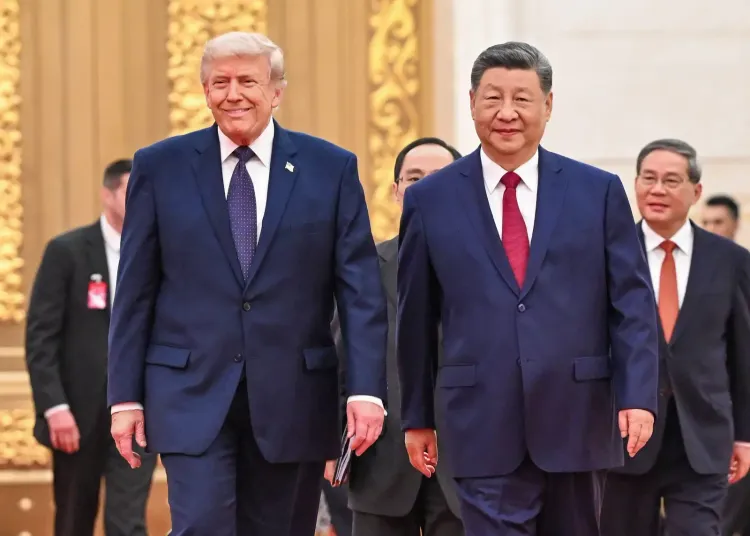
Chinese President Xi Jinping will undertake a State Visit to the United States from 23 to 25 September 2026, during which he will hold high-level bilateral talks with US President Donald Trump covering artificial intelligence, trade, rare earth supplies, and fentanyl precursor chemicals, the Chinese Foreign Ministry confirmed on Monday, 21 September. The visit, announced by Foreign Ministry spokesperson Guo Jiakun at a regular press briefing, follows Trump's three-day trip to China in May and is being framed by Beijing as a milestone in China-US relations.
Historic Significance of Back-to-Back Presidential Visits
Guo Jiakun described the exchange of visits by the two presidents within half a year as marking 'a milestone of historic significance.' Elaborating on Beijing's expectations, he said: 'China will work with the United States to enrich the dimensions of the China-US constructive relationship of strategic stability, strengthen dialogue and cooperation, and properly manage differences, so as to deliver greater benefits to our two peoples and further contribute to world peace, stability and prosperity.'
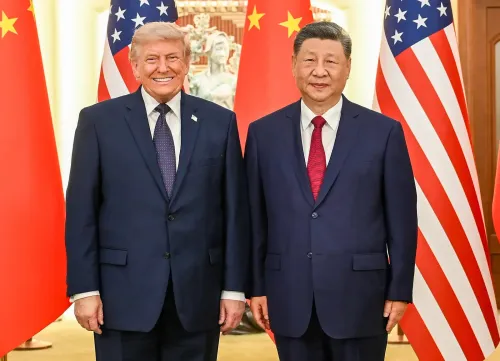
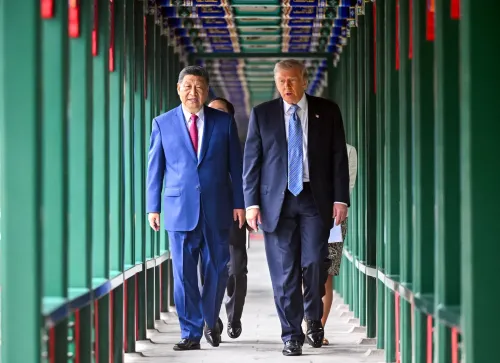
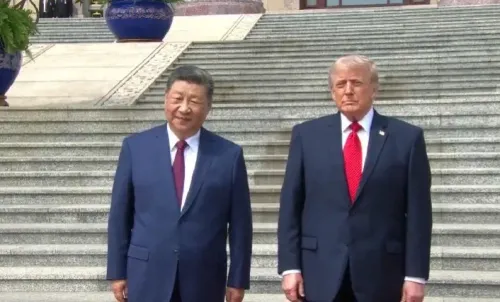
Trump visited China in May 2026, where the two leaders held talks at the Great Hall of the People and visited the Temple of Heaven in Beijing. Xi's reciprocal visit to Washington marks the first time both leaders have exchanged state visits within six months, a development analysts and officials alike regard as symbolically weighty given the fraught trajectory of the bilateral relationship over the past decade.
Key Issues on the Agenda
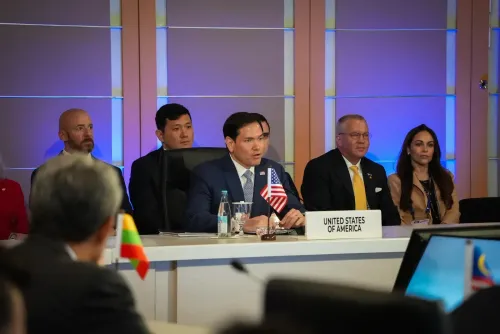
US officials outlined a packed agenda for the Washington summit. Artificial intelligence governance, the status of the existing trade arrangement — described by officials as the 'Busan truce' — and rare earth mineral supplies are among the primary items. Senior US officials confirmed that AI discussions had already begun at working-level meetings with Chinese representatives in New York over the weekend, ahead of the leaders' formal bilateral.
On rare earths, a US official said Washington expected China to honour previously negotiated commitments to supply the minerals to the US and global markets, but acknowledged that Chinese performance had 'not been up to par.' Separately, officials said the US administration had discussed reducing certain tariffs on a narrow range of goods in sectors considered neither sensitive nor strategic, though no products or potential reduction figures were disclosed.
Fentanyl precursor chemicals are also set to feature prominently. A senior US official accused China of remaining the predominant supplier of fentanyl precursors to Mexican cartels, saying recent arrests did not amount to the systemic change Washington was seeking. 'But we'd like to see much more systemic change,' the official said.
What US Officials Ruled Out
Officials were careful to manage expectations ahead of the summit. They ruled out any exchange of export control concessions for mineral supply flows, saying Beijing had already committed to those flows under prior negotiations. On the question of Chinese access to the US automobile market, a US official indicated Trump would not compromise on national security and that any investments would have to meet applicable rules and regulations. Officials declined to predict specific outcomes or outline US negotiating positions on AI.
US sanctions against Chinese and Hong Kong entities accused of supporting Iran will continue, officials confirmed. One official noted that Trump had repeatedly raised cases of individuals he considers wrongfully detained in China during past encounters with Xi, though no specific cases for this meeting were confirmed.
Programme and Protocol
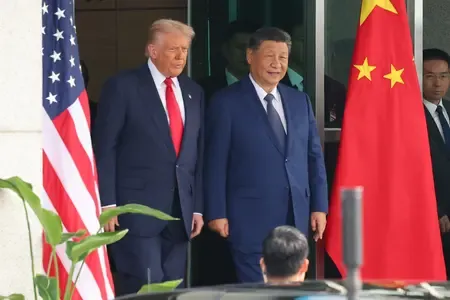
Trump is scheduled to receive Xi and his wife, Peng Liyuan, at Joint Base Andrews on Wednesday. Thursday's schedule includes a formal White House arrival ceremony, a military review, the core bilateral talks session, and a state dinner in the East Room. On Friday, the leaders and their spouses are scheduled to share private tea and tour the National Archives before Xi departs.
The Washington visit follows Trump's address to the United Nations General Assembly (UNGA) in New York, where Iran's nuclear programme, the situation in Gaza, and the administration's broader diplomatic efforts are expected to feature. The proximity of the UNGA address and the Xi summit signals a high-intensity diplomatic week for the Trump administration.
Broader Context
This is the third substantive leadership-level engagement between Washington and Beijing in 2026, and comes at a juncture when the bilateral relationship remains defined by competing interests across technology, trade, and geopolitics. Notably, both sides have consistently emphasised 'managing differences' rather than resolving them — a framing that reflects ongoing structural tensions even as the diplomatic calendar grows busier. How the Busan trade truce is handled and whether a tangible AI framework emerges will be the two outcomes markets and governments worldwide will be watching most closely.
Point of View
But the substance tells a more complicated story. Washington arrived at this summit with a checklist of grievances — rare earth underdelivery, fentanyl flows, AI guardrails — and officials were conspicuously careful not to pre-announce any agreements, suggesting the 'Busan truce' framework remains fragile. The repeated framing of 'managing differences' rather than resolving them is diplomatic shorthand for a relationship that has stabilised its form while leaving its core contradictions intact. For India and the Indo-Pacific, the durability of any AI or trade compact emerging from this summit will matter as much as the headlines.
NationPress
21 Sept 2026
Frequently Asked Questions
When is Xi Jinping's state visit to the US?
Xi Jinping's state visit to the United States is scheduled from 23 to 25 September 2026. He will meet President Donald Trump for bilateral talks at the White House on Thursday, followed by a state dinner in the East Room.
What will Trump and Xi Jinping discuss during the summit?
The agenda includes artificial intelligence governance, the status of the existing trade arrangement known as the 'Busan truce', rare earth mineral supplies, and fentanyl precursor chemicals. US sanctions on Chinese and Hong Kong entities linked to Iran are also expected to feature.
What is the 'Busan truce' in US-China trade talks?
The 'Busan truce' is the term US officials used to describe the existing bilateral trade arrangement between Washington and Beijing. It was on the agenda for the Trump-Xi summit, though officials declined to outline negotiating positions or predict outcomes.
Why did the US raise concerns about Chinese rare earth supplies?
A senior US official said China's performance in honouring previously negotiated commitments to supply rare earth minerals to the US and global economies had 'not been up to par.' Washington expects Beijing to fulfil these commitments, but said it would not trade export control concessions for mineral flows it considers already promised.
How does this visit relate to Trump's earlier trip to China?
Trump visited China in May 2026, holding talks at the Great Hall of the People and visiting the Temple of Heaven in Beijing. Xi's September visit is the reciprocal leg, and the Chinese Foreign Ministry has described the exchange of presidential visits within six months as a historic milestone in China-US relations.