CM Mohan Yadav Reviews MP's Drought Preparedness Amid El Niño Alert
Synopsis
Madhya Pradesh CM Dr. Mohan Yadav on 2 July 2026 chaired a multi-departmental review on potential below-normal rainfall, directing coordinated action, promoting low-water crops like masoor and urad, and calling for advance planning to counter El Niño's possible impact on the state's farmers.
Key Takeaways
Mohan Yadav chaired a drought-preparedness review at the Madhya Pradesh Mantralaya on 2 July 2026 .
The Chief Minister directed all departments to coordinate and provide timely guidance to farmers ahead of a potentially deficient monsoon.
A large-scale awareness campaign on low-water crops — specifically masoor (lentils) and urad (black gram) — was ordered.
El Niño conditions were cited as the key climate risk driving the early preparedness exercise.
Yadav stressed 'advance planning, not fear' as the state's approach to managing potential rainfall shortfalls.
The state government committed to taking every necessary step to protect farmers' security, prosperity, and agricultural output.
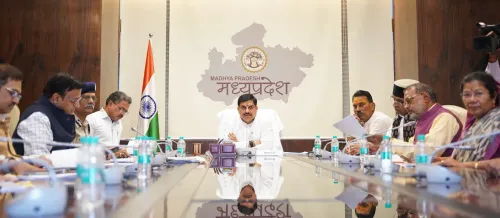
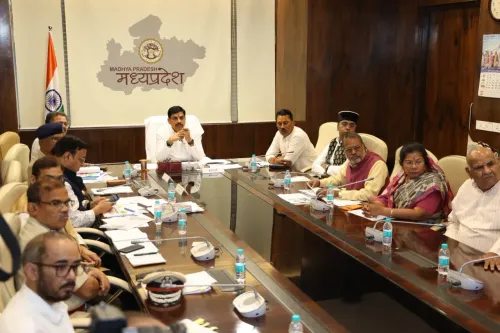
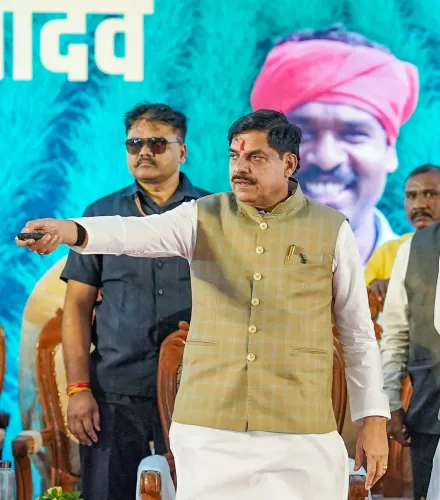
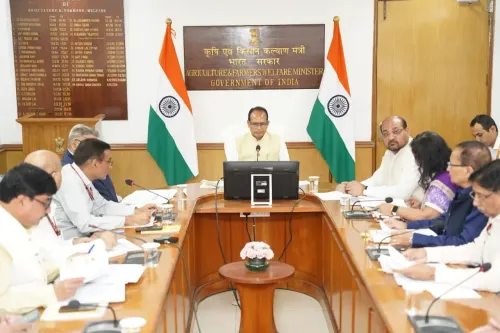
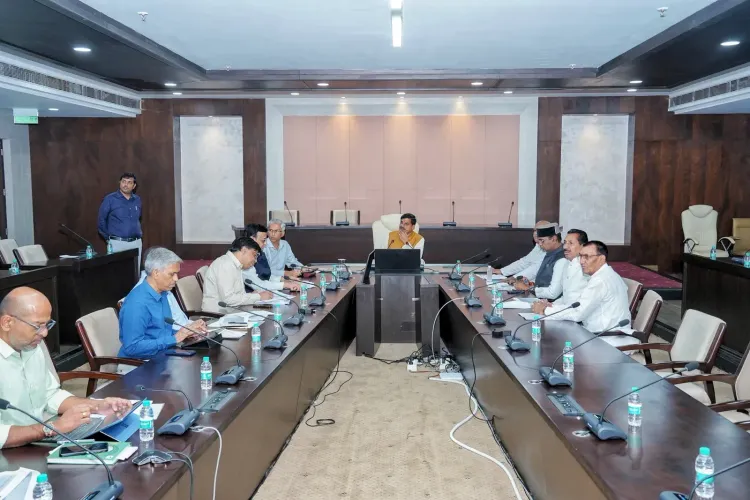
Madhya Pradesh Chief Minister Dr. Mohan Yadav on Thursday, 2 July 2026, chaired a multi-departmental review meeting at the state secretariat to assess preparedness for a potential below-normal monsoon season, issuing directives to all departments to coordinate proactively and protect farmers' interests in the face of possible El Niño-driven rainfall deficits.
Context
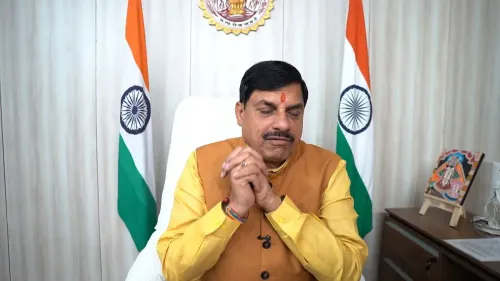
Posting on X after the meeting, Dr. Yadav stated — 'अल नीनो के संभावित प्रभाव को देखते हुए डरने की नहीं, बल्कि एडवांस प्लानिंग की आवश्यकता है' ('In view of the possible impact of El Niño, what is needed is not fear, but advance planning'). He emphasised that farmers' welfare is paramount and that the state government will take every necessary step to ensure their security, prosperity, and sustained agricultural output.
The Chief Minister directed all departments to work in close coordination and ensure that farmers receive timely and relevant guidance. He specifically called for a large-scale awareness campaign promoting low-water-requirement crops such as lentils (masoor) and black gram (urad) as adaptive strategies for a potentially deficient monsoon.
Policy Backdrop
Madhya Pradesh is one of India's most agriculturally significant states, with its rural economy heavily dependent on the southwest monsoon for the kharif crop season. The state has previously issued drought-preparedness advisories and promoted pulse cultivation during past El Niño years, including 2015 and 2023, when below-normal rainfall threatened crop yields.
El Niño — a periodic warming of Pacific Ocean surface temperatures — is associated with suppressed monsoon rainfall over the Indian subcontinent. State administrations across India routinely conduct inter-departmental contingency reviews when El Niño conditions are forecast, focusing on crop advisories, water conservation, and coordination between agriculture, irrigation, and revenue departments.
The 2 July 2026 review at the Mantralaya (state secretariat) follows this established pattern, with Dr. Yadav — who has held the Chief Minister's office since December 2023 — positioning the exercise as a forward-looking administrative response rather than a reactive crisis measure.
Stakeholders and Impact
Madhya Pradesh's farming community stands at the centre of this preparedness drive. The push to promote masoor and urad — both pulses that thrive with lower water inputs compared to water-intensive crops such as paddy — could influence sowing decisions across the state's agricultural districts ahead of the kharif planting window.
Multiple departments — including agriculture, irrigation, and revenue — have been tasked with mutual coordination, signalling that the government intends to treat this as a whole-of-administration exercise rather than a single-ministry concern. Farmers stand to benefit from early advisories on crop diversification, input availability, and contingency support if rainfall falls short of seasonal norms.
What's Next
Attention will now turn to whether the Madhya Pradesh government follows up with district-level contingency plans, input subsidies, or expanded crop insurance outreach in the coming weeks. Updated long-range monsoon forecasts from the India Meteorological Department will be a key trigger for further state-level action. Dr. Yadav's directive to mount a 'widespread awareness campaign' on low-water crops suggests that ground-level outreach through the agriculture department's extension network may be imminent, with the kharif sowing season leaving little margin for delay.
Point of View
A perennial political pressure point in Madhya Pradesh. The explicit invocation of El Niño and the pivot to low-water pulses echoes a pattern seen in BJP-governed farm states: framing climate adaptation as proactive governance rather than crisis response. The emphasis on inter-departmental coordination also reflects lessons from past drought years when siloed responses drew criticism. Whether this review translates into on-ground outreach and financial support for farmers will determine its policy weight beyond the announcement.
NationPress
1 Oct 2026
Frequently Asked Questions
Why did CM Mohan Yadav hold a drought review meeting in MP?
Dr. Mohan Yadav convened the review on 2 July 2026 to assess Madhya Pradesh's preparedness for a potential below-normal monsoon season linked to El Niño conditions, and to direct departments to coordinate farmer support in advance.
What is El Niño and how does it affect India's monsoon?
El Niño is a periodic warming of Pacific Ocean surface temperatures that typically suppresses rainfall over the Indian subcontinent, raising the risk of drought conditions during the southwest monsoon season.
Which crops did CM Mohan Yadav recommend for low-rainfall conditions in MP?
Dr. Yadav specifically recommended masoor (lentils) and urad (black gram) — both pulses that require significantly less water than crops like paddy — as suitable alternatives during a potentially deficient monsoon.
What steps is the Madhya Pradesh government taking to protect farmers from drought?
The MP government has directed all departments to work in coordination, launch a large-scale awareness campaign on low-water crops, and provide timely guidance to farmers, with the Chief Minister pledging every necessary step to protect farm output and livelihoods.
Has Madhya Pradesh faced El Niño-related drought before?
Yes. Madhya Pradesh has previously issued drought-preparedness advisories and promoted pulse cultivation during past El Niño years including 2015 and 2023 , when below-normal rainfall threatened kharif crop yields.