MP CM Mohan Yadav Reviews Low Monsoon Rainfall, Issues Directives
Synopsis
Chief Minister Dr. Mohan Yadav convened a multi-ministry review at the Madhya Pradesh secretariat on August 10, 2026, to assess below-normal monsoon rainfall and issued directives covering water resources, agriculture, revenue, cooperatives, and public health engineering.
Key Takeaways
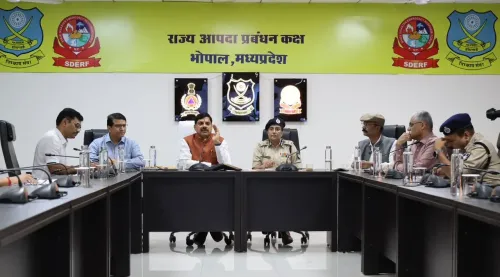
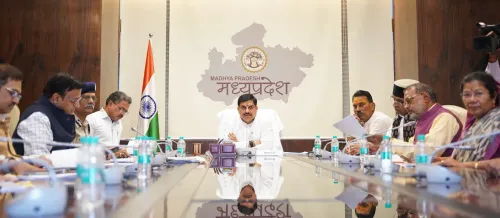
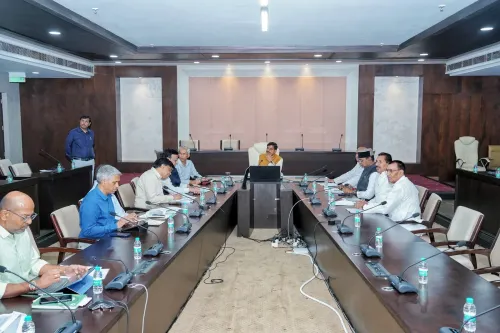
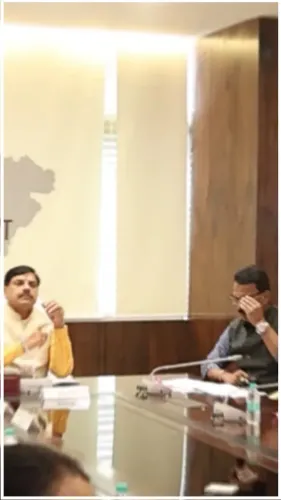
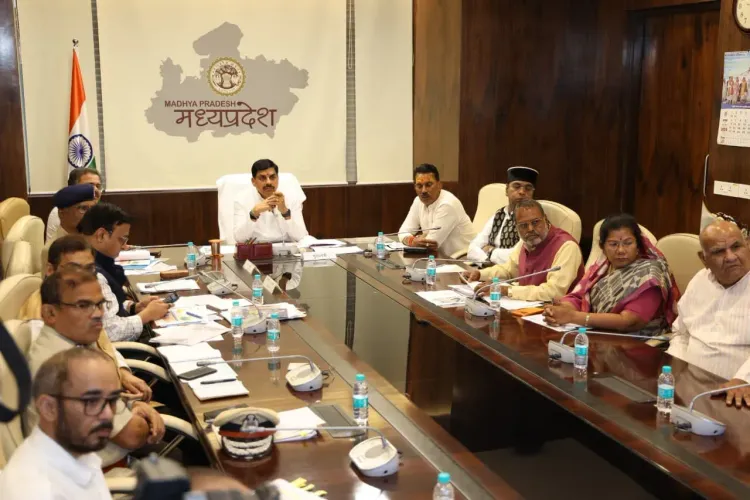
Mohan Yadav chaired a review meeting on Monday, August 10, 2026 at the state secretariat in Bhopal.
The meeting assessed below-normal monsoon rainfall and the conditions arising from it across Madhya Pradesh.
Five cabinet ministers attended: Tulsiram Silawat (Water Resources), Aidal Singh Kanshana (Agriculture, virtually), Karan Singh Verma (Revenue), Vishvas Sarang (Cooperatives), and Sampatiya Uikey (Public Health Engineering).
The Chief Minister issued necessary directions following the review; specific directives were not publicly detailed.
Madhya Pradesh's agrarian economy is heavily monsoon-dependent, making rainfall deficits a direct threat to farmers and rural drinking water supply .
Follow-up announcements on drought assessment, contingency crop plans, or reservoir water releases are possible in the coming weeks.
With the monsoon season delivering below-normal rainfall across Madhya Pradesh, Chief Minister Dr. Mohan Yadav convened a high-level review meeting at the state secretariat on Monday, August 10, 2026 — pulling together five cabinet ministers to assess the emerging crisis and chart a coordinated response before conditions worsen.
Who was in the room — and why it matters
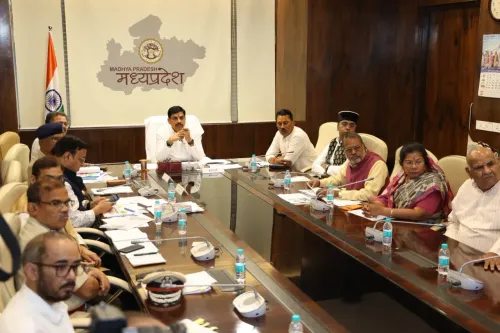
The meeting was not a routine briefing. Five ministries with direct stakes in a rainfall deficit were represented: Water Resources Minister Tulsiram Silawat, Agriculture Minister Aidal Singh Kanshana (joining virtually), Revenue Minister Karan Singh Verma, Cooperatives Minister Vishvas Sarang, and Public Health Engineering Minister Sampatiya Uikey. Senior officials from each department were also present. That cross-departmental assembly signals the government is treating this not as a sectoral concern but as a whole-of-state challenge — water, crops, rural relief, and drinking water supply all in one frame.
What low rainfall means for MP's agrarian heartland
Madhya Pradesh is one of India's largest agricultural states, and its farming economy runs almost entirely on the southwest monsoon. A deficient season translates quickly into crop stress, reservoir shortfalls, and pressure on rural drinking water systems — the exact portfolio that Monday's five ministers collectively manage. The state has a well-established practice of convening such inter-departmental reviews during deficient rainfall years to coordinate contingency crop plans, water releases from reservoirs, and relief assessments before district-level distress deepens.
The Chief Minister's Office confirmed that Dr. Yadav issued necessary directions (aavashyak disha-nirdesh diye) following the review, though the specific directives were not detailed in the official communication. What to watch in the coming weeks: possible announcements on drought categorisation, alternate crop advisories for farmers, or managed releases from major reservoirs to protect drinking water access.
A government on alert before the season peaks
Holding this review mid-August — while the monsoon still has weeks to run — gives the administration a window to act rather than react. For the millions of farmers and rural households across Madhya Pradesh who are watching the sky, the signal from Bhopal is that the state machinery is already in motion.
Point of View
Who took office in December 2023, this is an early test of his administration's ability to manage agrarian distress, a perennial political flashpoint in Madhya Pradesh. The cross-departmental composition of the meeting suggests the government is framing rainfall deficit not merely as an agriculture problem but as a multi-sector risk — drinking water, rural credit, and land revenue all in scope. How quickly specific relief or contingency measures follow will determine whether Monday's meeting becomes a policy signal or a photo opportunity.
NationPress
24 Sept 2026
Frequently Asked Questions
Why did MP CM Mohan Yadav hold a monsoon review meeting?
Chief Minister Dr. Mohan Yadav called the meeting on August 10, 2026, because Madhya Pradesh has received below-normal rainfall this monsoon season, creating risks for agriculture, drinking water supply, and rural livelihoods.
Which ministers attended the Madhya Pradesh monsoon review?
Water Resources Minister Tulsiram Silawat, Agriculture Minister Aidal Singh Kanshana (virtually), Revenue Minister Karan Singh Verma, Cooperatives Minister Vishvas Sarang, and Public Health Engineering Minister Sampatiya Uikey attended, along with senior officials.
What decisions were taken at the MP monsoon review meeting?
The Chief Minister's Office stated that Dr. Mohan Yadav issued necessary directions following the review. Specific directives were not publicly detailed, but possible follow-up measures include drought assessment, contingency crop advisories, and managed reservoir releases.
How does low monsoon rainfall affect Madhya Pradesh?
Madhya Pradesh has one of India's largest agrarian economies, almost entirely dependent on the southwest monsoon. Deficient rainfall leads to crop stress, falling reservoir levels, and pressure on rural drinking water systems, directly impacting millions of farmers and rural households.
Is Madhya Pradesh facing drought in 2026?
The state government has acknowledged below-normal rainfall this monsoon season and convened a cabinet-level review. Whether specific districts will be formally declared drought-affected depends on follow-up assessments by the revenue and agriculture departments.