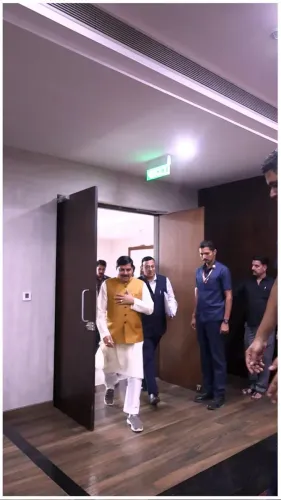
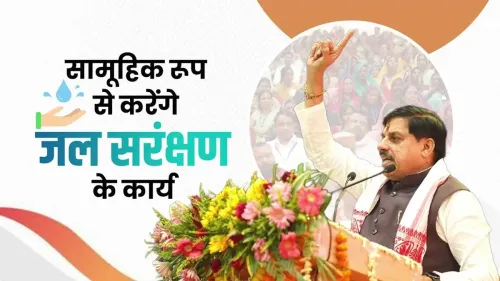
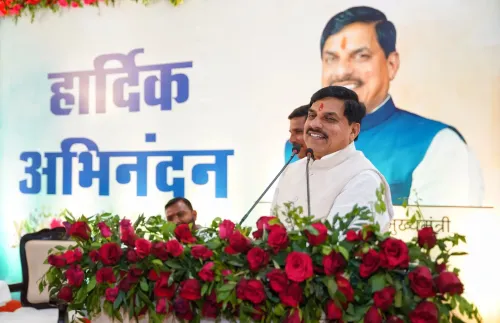
MP CM Mohan Yadav orders early-maturing crops, 100 water bodies per block amid scanty rainfall risk
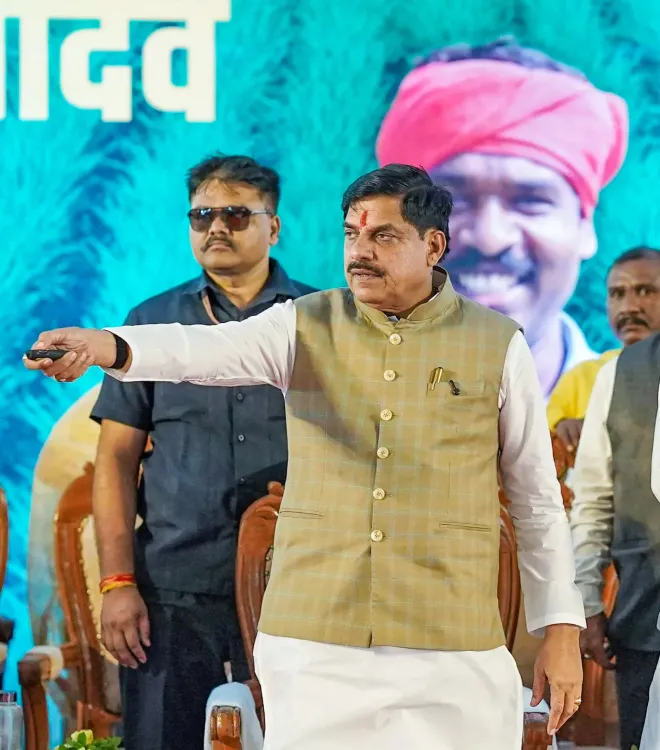
Synopsis
With monsoon adequacy in question, Madhya Pradesh CM Mohan Yadav has moved to a two-year contingency footing — pushing millet and pulse cultivation, ordering 100 water structures revived per development block, and deploying real-time dashboards to track water supply. The scale of the response signals that state planners are treating a rainfall deficit not as a seasonal setback but a structural risk requiring mission-mode action.
Key Takeaways
MP CM Mohan Yadav chaired a high-level drought-preparedness review at Mantralaya, Bhopal on 2 July .
Farmers are being advised to cultivate early-maturing, low-water crops including jowar, bajra, urad, moong, tur and kodo-kutki .
At least 100 water structures — ponds, wells, and traditional bodies — will be revived per development block under Jalabhishek 2.0 over two years .
A 90-day rural campaign under Jal Jeevan Mission will audit and repair piped water schemes; urban bodies to prepare tanker plans under AMRUT 2.0 .
District-wise crop contingency plans, expanded crop insurance, satellite damage assessment, and real-time water dashboards are part of the broader response package.
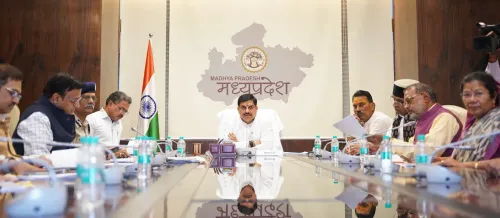
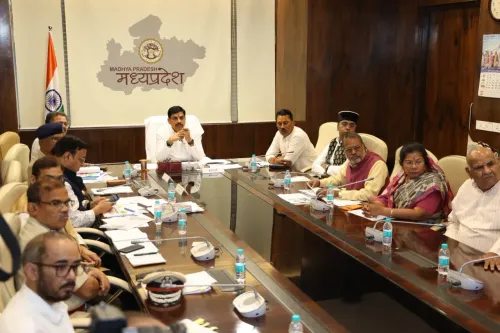
Madhya Pradesh Chief Minister Mohan Yadav on Thursday, 2 July chaired a high-level meeting at the Mantralaya in Bhopal to assess the state's readiness for a potential low-rainfall season, directing departments to coordinate on farmer outreach, water conservation, and drought-resilient agriculture. The review underscores growing concern about monsoon adequacy across the state's agrarian heartland.
Key Directives from the Chief Minister
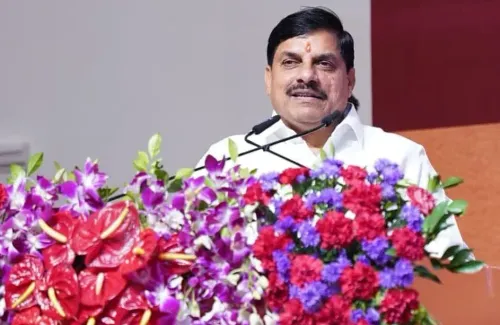
Framing the rainfall deficit as a planning opportunity rather than a crisis, Mohan Yadav instructed officials to guide farmers toward crops that demand less water and reach harvest faster. 'The situation of potential scanty rainfall should be viewed not as a challenge, but as an opportunity for better planning, scientific farming and timely preparation,' he said at the meeting.
He specifically advocated promoting millets and pulses — including jowar, bajra, urad, moong, tur, and kodo-kutki — which can sustain reasonable yields under limited moisture. Officials were also told to discourage premature sowing and to ensure that field operations begin only after adequate soil moisture is confirmed.
Water Conservation: 100 Structures Per Development Block
The state government announced that it will restore ponds, wells, and other traditional water bodies under the Jalabhishek 2.0 programme, with a target of reviving at least 100 water structures in every development block over the next two years. Groundwater recharge works — encompassing check dams, stop dams, recharge shafts, and farm ponds — will be executed on a mission-mode basis.
Canal cleaning and repair work is to be completed before the Rabi season to guarantee irrigation water reaches tail-end farmers, who are typically the most vulnerable to supply shortfalls.
Urban and Rural Water Supply Measures
Under the AMRUT 2.0 scheme, urban local bodies have been asked to identify alternative water sources and draw up tanker supply contingency plans. In rural areas, a 90-day campaign will be launched under the Jal Jeevan Mission to audit and repair piped water supply schemes, ensuring continuity even in the event of a prolonged dry spell.
Agriculture Contingency Planning
Officials presented a two-year contingency plan that includes district-wise crop planning, expansion of crop insurance coverage, and satellite-based crop damage assessment. The government also intends to issue weather advisories via mobile messages and establish real-time water monitoring dashboards to keep farmers and administrators informed at all times.
'The interests of farmers are paramount, and the state government will take all necessary steps to ensure their prosperity and sustain agricultural production,' Yadav affirmed. With these measures now formally directed, implementation timelines and departmental accountability will be closely watched in the weeks ahead.
Point of View
Jal Jeevan Mission, AMRUT 2.0, and satellite-based assessment are being activated simultaneously, suggesting the state is treating this as a systemic risk rather than a one-season problem. Yet the real test will be execution: similar water-body restoration drives in MP and other states have historically suffered from incomplete works and inflated completion counts. The push toward millets is sound agronomic policy, but farmer uptake depends on assured procurement support — a detail conspicuously absent from the directives so far. If minimum support price coverage for kodo-kutki and other minor millets is not explicitly guaranteed, the advisory risks remaining on paper.
NationPress
1 Oct 2026
Frequently Asked Questions
Why is Madhya Pradesh preparing for scanty rainfall in 2025?
The state government has flagged the possibility of below-normal monsoon rainfall and is taking pre-emptive steps to protect farmers and water supply. CM Mohan Yadav chaired a high-level review on 2 July to coordinate a response across agriculture, water, and urban departments.
Which crops is the MP government promoting under the low-rainfall plan?
The government is encouraging farmers to grow early-maturing, low-water crops — particularly millets and pulses such as jowar, bajra, urad, moong, tur, and kodo-kutki. These varieties can deliver reasonable yields even with limited rainfall.
What is Jalabhishek 2.0 and what is its target?
Jalabhishek 2.0 is a Madhya Pradesh government programme to restore traditional water bodies including ponds and wells. Under the current directive, at least 100 water structures will be revived in every development block over the next two years.
How will the government support rural water supply during a potential drought?
A 90-day campaign under the Jal Jeevan Mission will review and repair piped water supply schemes in rural areas. Urban local bodies have been directed under AMRUT 2.0 to identify alternative water sources and prepare tanker supply contingency plans.
What technology-based measures are being introduced for farmers?
The state plans to issue weather advisories via mobile messages, expand satellite-based crop damage assessment, and set up real-time water monitoring dashboards. District-wise contingency crop plans and expanded crop insurance coverage are also part of the package.