El Nino 2026: Chouhan orders contingency plans for rain-deficient districts
Synopsis
With El Nino threatening the Kharif 2026 season, Agriculture Minister Shivraj Singh Chouhan has ordered district-level contingency plans and a push for cotton and pulse acreage. India enters this cycle with reservoir levels at 30.4% — well above the 25.1% average seen in past El Nino years — giving policymakers an unusually strong buffer.
Key Takeaways
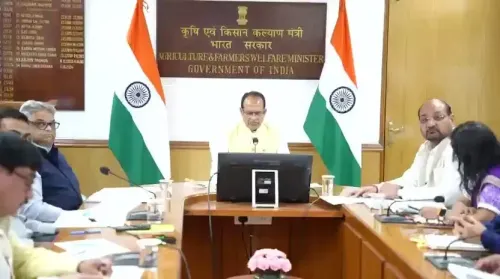
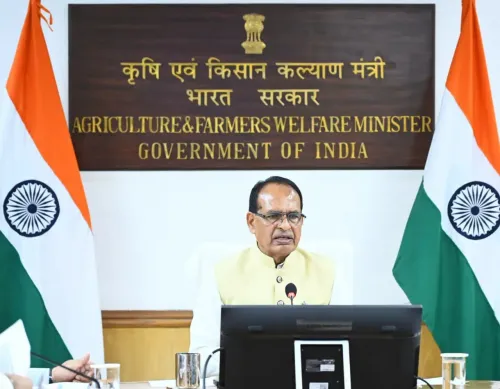
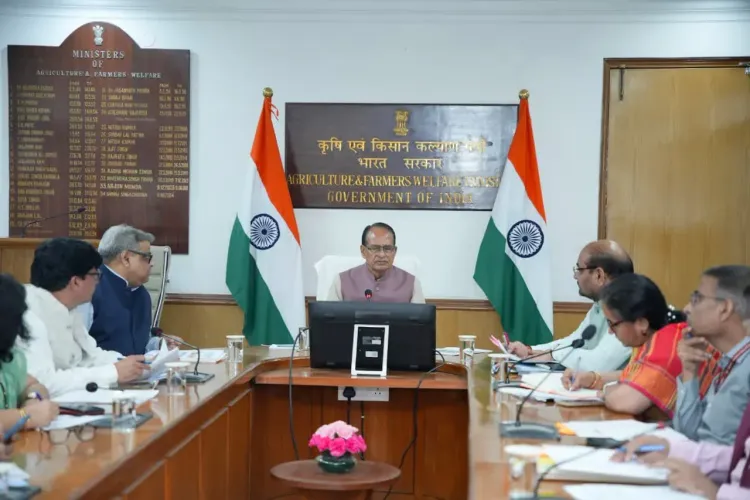
Agriculture Minister Shivraj Singh Chouhan chaired a Kharif 2026 review meeting at Krishi Bhawan on 16 June 2026 .
Officials directed to identify rain-deficient districts and prepare crop-wise contingency plans with state governments.
Special focus on boosting cotton productivity through intercropping, mulching, and improved variety selection.
The Pulse Self-Reliance Mission aims to reduce import dependence for pigeon pea, black gram, and green gram.
Reservoir storage at 30.4% of full capacity in May 2026 — above the 25.1% average during El Nino years from 2015-16 to 2023-24 .
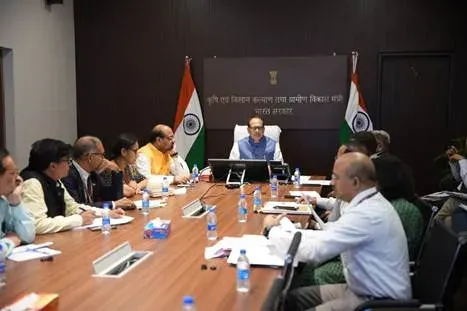
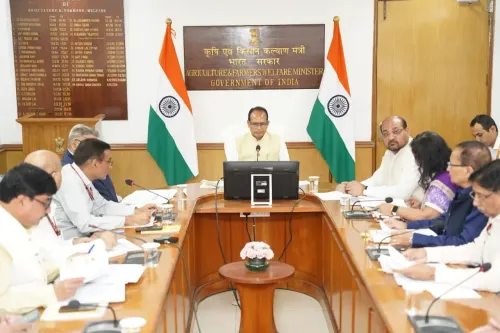
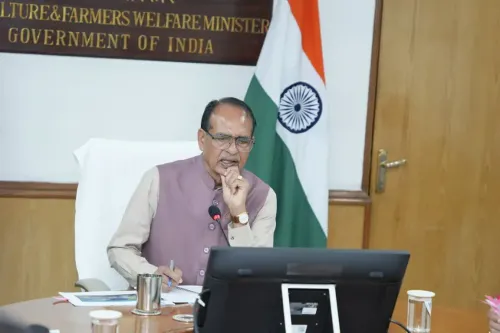
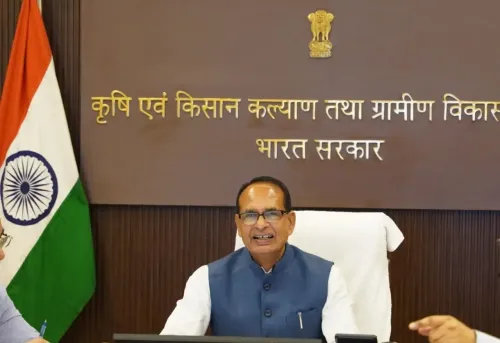
Union Agriculture Minister Shivraj Singh Chouhan on Tuesday, 16 June 2026, directed officials to prepare advance contingency plans for districts facing the risk of low or uneven rainfall, as the government steps up its response to a potential El Nino-driven disruption to the Kharif 2026 season. The directive came during a high-level weekly agriculture review meeting held at Krishi Bhawan, New Delhi, attended by senior officials from the agriculture ministry.
Key Directives from the Review Meeting
At the meeting, Chouhan called for rain-deficient districts to be identified proactively and for crop-wise contingency plans to be drawn up in coordination with state governments. 'Such districts should be identified, and crop-wise contingency plans should be prepared in collaboration with state governments, so that in the event of any weather-related challenge, farmers can be immediately provided with alternatives, advice, and assistance,' the minister said.
The review covered nationwide sowing progress, crop-wise targets, and state-level preparations for the upcoming Kharif season, with a particular focus on cotton and pulses.
Push to Boost Cotton and Pulse Production
A dedicated discussion on increasing cotton output featured prominently in the meeting. 'Emphasis was placed on promoting measures such as scientific methods, selection of appropriate varieties, intercropping, mulching, and moisture conservation on a large scale, so that both cotton productivity and farmers' income can increase,' Chouhan said in a post on X.
The minister also highlighted progress under the Pulse Self-Reliance Mission, which targets reduced import dependence for key crops. 'Our effort is to make the country increasingly self-reliant in pulses like pigeon pea, black gram, and green gram, and to secure farmers' income,' he said.
India's Buffer Against El Nino Impact
The government's preparations come against the backdrop of growing concern over a weakening monsoon this year. However, India is reportedly better positioned than in previous El Nino cycles, backed by higher reservoir levels, record foodgrain stocks, and structural improvements in the economy.
According to the latest data, reservoir storage levels stood at 30.4 per cent of full reservoir capacity in May 2026 — significantly higher than the average 25.1 per cent recorded during previous El Nino years between 2015-16 and 2023-24. This buffer provides the government a degree of flexibility that was absent in earlier episodes.
What This Means for Farmers
The emphasis on advance planning marks a shift from reactive to pre-emptive agricultural governance. Notably, this is not the first time El Nino has tested India's farm sector — the 2015 and 2023 events each triggered significant crop stress and price pressures in pulses and oilseeds. The current administration's push to front-load contingency measures and expand acreage under drought-tolerant crops reflects lessons from those episodes.
With the Kharif 2026 sowing window approaching, the pace at which state governments finalise district-level plans will be closely watched by both farmers and markets.
Point of View
But the real test is execution speed at the district level — historically the weakest link in India's agricultural crisis response. Reservoir levels above the El Nino-era average are a genuine comfort, but they do not insulate rain-shadow districts that depend on live rainfall rather than stored water. The push on pulses is politically and nutritionally sound, yet the Pulse Self-Reliance Mission has been a stated goal for several crop cycles without closing the import gap. Whether Kharif 2026 delivers differently will depend on how quickly state governments move from meeting-room directives to field-level seed and input deployment.
NationPress
15 Sept 2026
Frequently Asked Questions
What is the El Nino contingency plan announced by Agriculture Minister Chouhan?
Agriculture Minister Shivraj Singh Chouhan has directed officials to identify rain-deficient districts and prepare crop-wise contingency plans in collaboration with state governments ahead of the Kharif 2026 season. The plans are designed to give farmers immediate access to alternatives, advice, and assistance if weather conditions deteriorate.
How is India prepared for El Nino in 2026?
India enters the current El Nino cycle with reservoir storage at 30.4% of full capacity as of May 2026, above the 25.1% average recorded during El Nino years between 2015-16 and 2023-24. Record foodgrain stocks and structural economic improvements also provide additional resilience, according to government data.
Which crops are being prioritised under Kharif 2026 planning?
Cotton and pulses — specifically pigeon pea, black gram, and green gram — are the focus crops. The government is pushing for expanded acreage, improved varieties, and techniques such as intercropping and mulching to lift both productivity and farmer income.
What is the Pulse Self-Reliance Mission?
The Pulse Self-Reliance Mission is a government initiative aimed at reducing India's dependence on pulse imports by boosting domestic production of crops like pigeon pea, black gram, and green gram. Chouhan reaffirmed the mission's goals at the 16 June 2026 review meeting.
Why does El Nino matter for Indian agriculture?
El Nino typically weakens the Indian summer monsoon, reducing rainfall in key farming regions and raising the risk of drought-like conditions. Past El Nino events in 2015 and 2023 caused significant crop stress, particularly in pulses and oilseeds, leading to supply shortfalls and price spikes.