CM Dhami at PM-Kisan Utsav: ₹161.96 Cr for Uttarakhand Farmers
Synopsis
PM Modi transferred ₹18,690 crore to 9.34 crore farmers nationwide as the 24th PM-Kisan instalment; Uttarakhand's 8.08 lakh beneficiaries received ₹161.96 crore. CM Dhami outlined a ₹1,000-crore climate farming project, free canal irrigation, polyhouses, and Mahak Kranti aroma valleys at a Dehradun event.
Key Takeaways
PM Modi released the 24th PM-Kisan instalment of ₹18,690 crore to over 9.34 crore farmers nationally via DBT from Banaskantha, Gujarat.
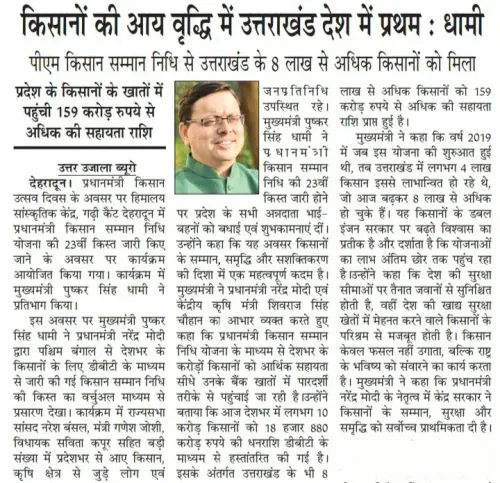
Uttarakhand's 8.08 lakh beneficiary farmers received ₹161.96 crore ; beneficiary count has more than doubled since the scheme's 2019 launch.
The state has approved the Uttarakhand Climate Responsive Rain-fed Farming Project at ₹1,000 crore to adapt hill agriculture to climate change.
Over 350 modern polyhouses built with ~ ₹115 crore investment; canal irrigation made fully free statewide.
New policies for apple, kiwi, and dragon fruit offer up to 80% subsidy ; Mahak Kranti targets 7 aroma valleys across 23,000 hectares .
Supplementary budget allocates ₹1,100 crore for wheat and paddy procurement and ₹200 crore to raise farmer incomes.
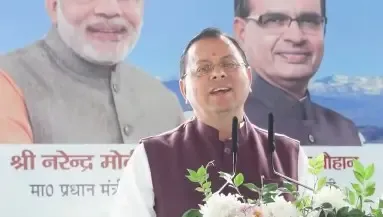
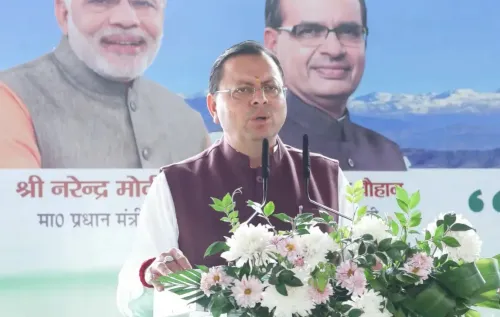
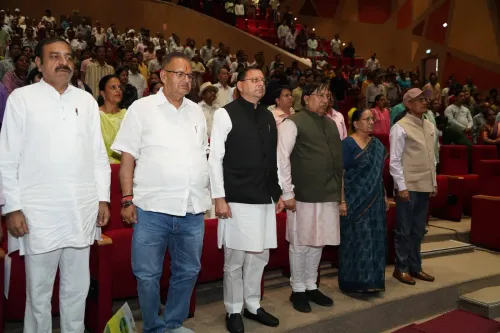
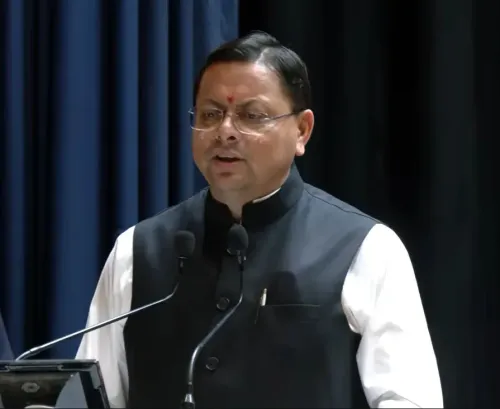
Over 8 lakh farmers in Uttarakhand woke up on Friday, October 30, 2026 to a direct credit in their bank accounts — the 24th instalment of the Pradhan Mantri Kisan Samman Nidhi (PM-Kisan) Yojana, worth ₹161.96 crore — as Chief Minister Pushkar Singh Dhami joined a national celebration of the scheme at Hathibarkala, Dehradun.
Prime Minister Narendra Modi, addressing the event from Banaskantha, Gujarat, initiated the nationwide transfer of ₹18,690 crore to the accounts of more than 9.34 crore farmer families across India via Direct Benefit Transfer (DBT). For Uttarakhand, the number of beneficiaries under the scheme has more than doubled since its launch — from roughly 4 lakh farmers when the first instalment was disbursed in 2019 to over 8.08 lakh farmers today.
From 4 lakh to 8 lakh: Uttarakhand's expanding farm safety net
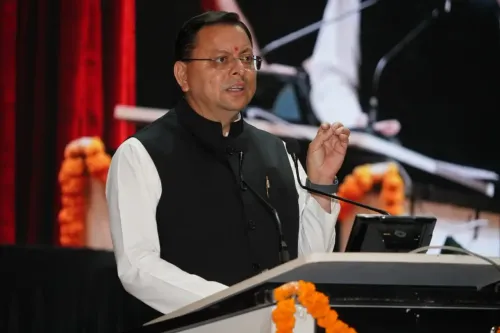
CM Dhami credited the growth in beneficiary numbers to sustained outreach and registration drives, conveying gratitude to PM Modi and Union Agriculture Minister Shivraj Singh Chouhan for the scheme's continuity. 'Pradhan Mantri Kisan Samman Nidhi Yojana kisan bhaion ke liye ek mahatvapurn arthik sanbal hai' ('PM-Kisan is a vital financial backbone for our farmer brothers'), he said, calling farmers the twin pillars of food security and national prosperity alongside the armed forces.
The PM-Kisan scheme, launched in February 2019, provides ₹6,000 per year in three equal instalments directly to landholding farm families through DBT, bypassing intermediaries entirely. The 24th instalment marks seven years of uninterrupted cash transfers — a logistics feat across India's most dispersed rural demographics.
Uttarakhand's layered farm strategy: polyhouses, aroma valleys, and climate resilience
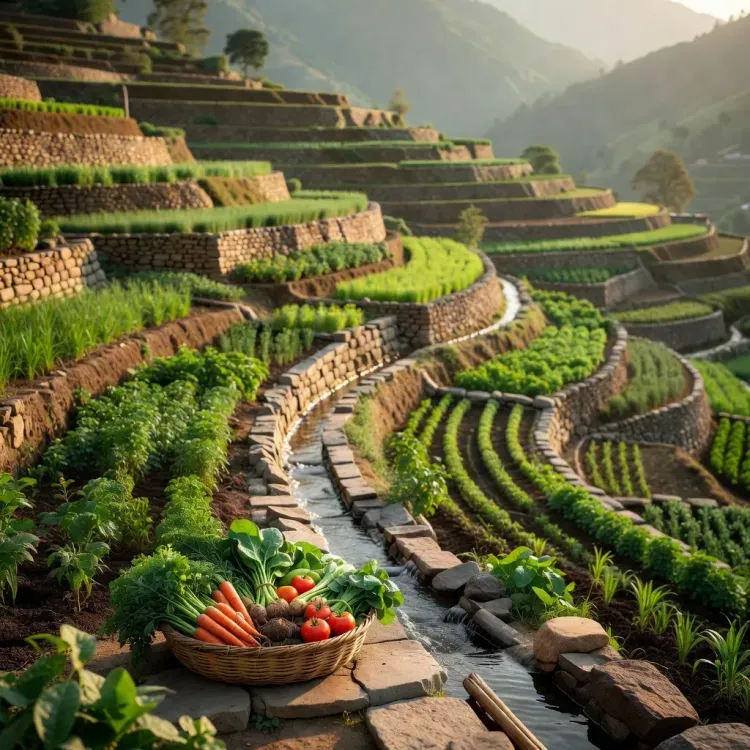
Beyond the central transfer, CM Dhami used the occasion to outline a state-specific agricultural architecture designed for Uttarakhand's mountainous terrain. The state has built more than 350 modern polyhouses with an investment of approximately ₹115 crore, promoting protected cultivation where open-field farming is constrained by altitude and erratic weather.
On climate adaptation, the government has approved the Uttarakhand Climate Responsive Rain-fed Farming Project at a cost of ₹1,000 crore — a direct acknowledgement that rainfed agriculture in hill districts faces mounting pressure from shifting monsoon patterns. The project aims to make farming in these zones more resilient and sustainable under changing conditions.
Canal irrigation across the state has been made completely free, and the budget carries a ₹200 crore provision specifically to raise farmer incomes. A supplementary budget allocation of ₹1,100 crore has been earmarked for procurement of wheat and paddy — a procurement buffer that directly supports price stability for growers.
Apple, kiwi, dragon fruit, and the scent of a 'Mahak Kranti'
CM Dhami announced that Uttarakhand is pushing high-value horticulture through dedicated policies — a new Apple Policy, a Kiwi Policy, and a Dragon Fruit Policy — each offering eligible farmers up to 80 per cent subsidy on qualifying activities. A State Millet Mission runs alongside these, reflecting the national push to revive coarse grains as nutritional and commercial crops.
On aromatic farming, the Mahak Kranti (Fragrance Revolution) policy is fostering seven Aroma Valleys across the state and extending cultivation of fragrant plants to 23,000 hectares. The state's House of Himalayas brand is serving as the market-facing vehicle to place Uttarakhand's millets and local agri-products on national and international shelves — converting geographic identity into commercial value.
Complementing production, the state is investing in cold-chain infrastructure, cold storage, controlled-atmosphere warehousing, and food-processing facilities so that perishable produce reaches buyers without losses that erode farmer margins.
The numbers tell one story; the architecture tells another. Uttarakhand is no longer simply a pass-through for central transfers — it is building a hill-specific farm economy, bet by bet, crop by crop. Whether the ₹1,000-crore climate project and the Mahak Kranti valleys deliver returns will be the real scorecard in the seasons ahead.
Point of View
Aroma valleys, and the climate-adaptive farming project reflects a conscious pivot away from subsistence cereal farming toward high-value, terrain-appropriate crops — a template other hill states will watch closely. The ₹1,100-crore procurement allocation in the supplementary budget suggests the state is also fortifying its price-support architecture before the next harvest cycle. How effectively the ₹1,000-crore climate project gets operationalised will define whether Uttarakhand's farm narrative shifts from welfare to productivity.
NationPress
30 Oct 2026
Frequently Asked Questions
What is the 24th instalment of PM-Kisan Samman Nidhi?
The 24th instalment is the latest disbursement under the PM-Kisan Samman Nidhi Yojana, in which PM Narendra Modi transferred ₹18,690 crore to over 9.34 crore farmer families across India via Direct Benefit Transfer on October 30, 2026.
How much did Uttarakhand farmers receive in the 24th PM-Kisan instalment?
Uttarakhand's 8.08 lakh-plus beneficiary farmers received a total of ₹161.96 crore as their share of the 24th PM-Kisan instalment, credited directly to their bank accounts.
What is the Uttarakhand Climate Responsive Rain-fed Farming Project?
It is a ₹1,000-crore state-approved project designed to make rainfed agriculture in Uttarakhand's mountainous zones more resilient and sustainable in the face of changing climate patterns.
What is the Mahak Kranti policy in Uttarakhand?
Mahak Kranti, or the Fragrance Revolution policy, aims to develop seven Aroma Valleys across Uttarakhand and expand cultivation of aromatic plants to 23,000 hectares to boost farmer incomes through high-value aromatic crops.
What is the House of Himalayas brand?
House of Himalayas is an Uttarakhand government initiative that markets the state's millets and locally grown agricultural products in national and international markets, leveraging the region's Himalayan identity as a quality signal.