CM Office: Over 9 Lakh Uttarakhand Farmers Get PM-KISAN
Synopsis
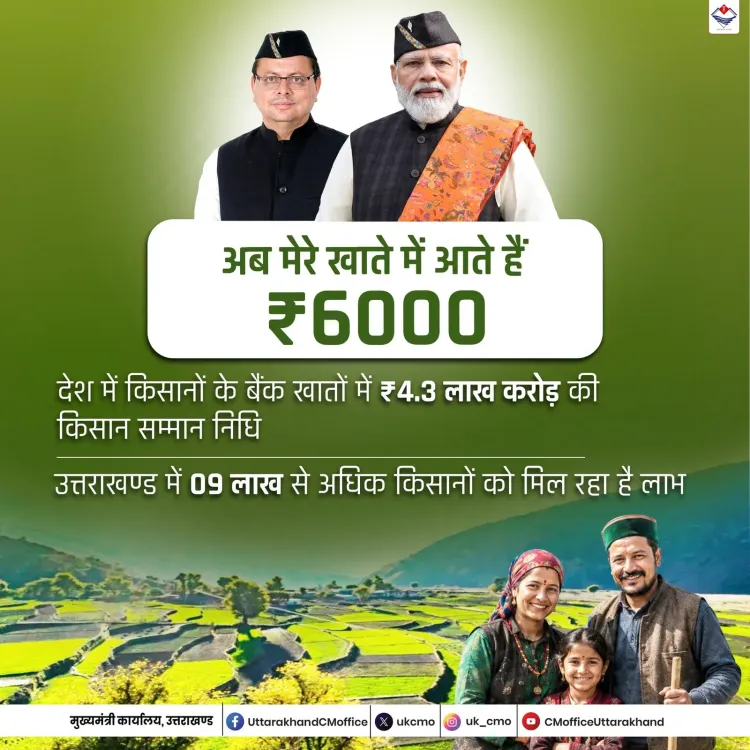
The Chief Minister's Office of Uttarakhand announced that over nine lakh farmers in the state are receiving benefits under PM-KISAN, the central government's flagship scheme that provides ₹6,000 per year in direct income support to eligible landholding farmer families via DBT.
Key Takeaways
The Chief Minister's Office of Uttarakhand announced on 9 June 2026 that over nine lakh farmers in the state are enrolled under PM-KISAN.
PM-KISAN provides ₹6,000 per year in three instalments of ₹2,000 each, transferred directly to beneficiaries' bank accounts.
The scheme was launched by Prime Minister Narendra Modi on 24 February 2019 as a fully central-sector direct benefit transfer programme.
Uttarakhand's predominantly small and marginal farmers are the primary beneficiaries, with state authorities responsible for verification and grievance redressal.
Upcoming PM-KISAN instalment cycles and e-KYC compliance deadlines will determine whether the enrolled base in Uttarakhand expands further.
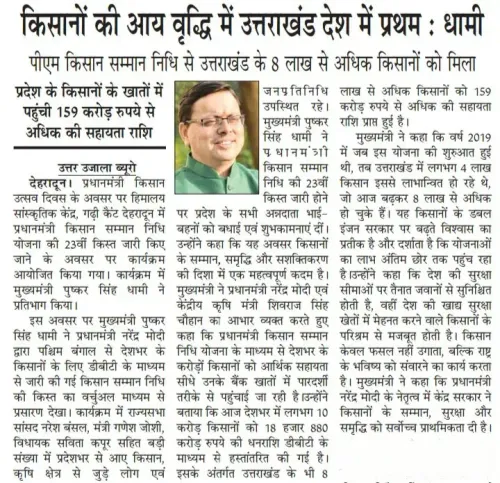
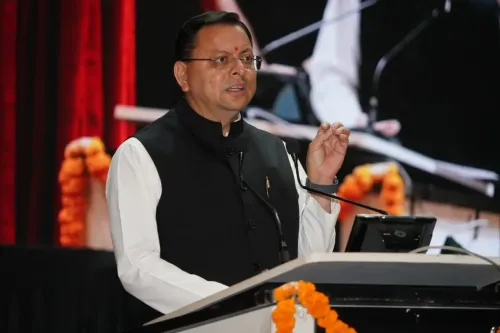
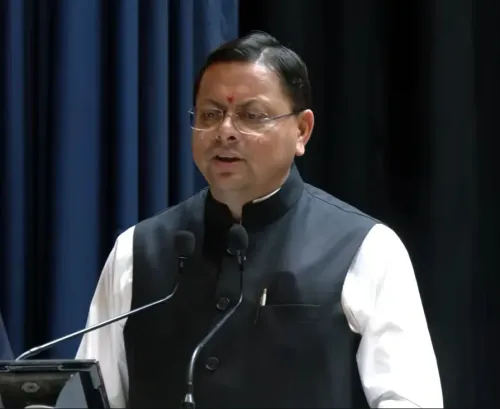
The Chief Minister's Office of Uttarakhand announced on Tuesday, 9 June 2026 that more than nine lakh farmers in the state are receiving benefits under the Pradhan Mantri Kisan Samman Nidhi (PM-KISAN) scheme, highlighting the reach of the central government's flagship direct income-support programme in the Himalayan state.
Context
The post, shared on the official CMO Uttarakhand account, stated in Hindi: 'Nau lakh se adhik kisanon ko mil rahi Kisan Samman Nidhi' ('More than nine lakh farmers are receiving Kisan Samman Nidhi'). The update signals continued enrolment momentum under the scheme, which provides eligible farmer families with ₹6,000 per year in three equal instalments of ₹2,000 transferred directly to their bank accounts.
Uttarakhand is a predominantly smallholder farming state in the western Himalayas, where fragmented landholdings and difficult terrain make direct income support particularly consequential for rural households dependent on agriculture.
Policy Backdrop
PM-KISAN was announced in the February 2019 interim Union Budget and formally launched by Prime Minister Narendra Modi on 24 February 2019 as a nationwide direct benefit transfer (DBT) programme under the central sector. The scheme is fully funded by the Government of India and covers all landholding farmer families subject to certain exclusion criteria.
Since its launch, the scheme has expanded coverage through periodic instalment cycles and mandatory Aadhaar-linked e-KYC verification, with state governments responsible for beneficiary identification, verification, and grievance redressal. Uttarakhand, like other states, periodically publishes enrolment and disbursement updates as part of implementation accountability.
Stakeholders and Impact
The primary beneficiaries are small and marginal farmers — those with landholdings typically under two hectares — who form the bulk of Uttarakhand's agricultural workforce. For these households, the annual ₹6,000 transfer supplements income during lean seasons and helps meet input costs such as seeds and fertilisers.
Beyond direct recipients, the announcement underscores the state administration's role as a conduit between the central scheme and rural communities, particularly in districts with limited banking infrastructure where DBT outreach has historically required additional effort. The figure of over nine lakh beneficiaries reflects cumulative enrolment and ongoing verification drives in the state.
What's Next
Attention will now turn to the disbursement of upcoming PM-KISAN instalments and whether Uttarakhand announces any supplementary state-level support to complement the central transfer. Periodic beneficiary verification cycles — including e-KYC compliance deadlines set by the Centre — will determine whether the enrolled base holds steady or expands further in the months ahead.
Any state budget announcements targeting hill farmers or allied sectors such as horticulture and animal husbandry could signal how the Uttarakhand government plans to layer state schemes on top of the central income-support architecture.
Point of View
A state with a large hill-farming population and limited alternative livelihood options, the nine-lakh figure serves both as an accountability marker and a mobilisation tool. The post fits a broader pattern of BJP-governed states amplifying PM-KISAN reach to reinforce the Centre's farmer-welfare narrative. The real test, however, lies in e-KYC compliance rates and whether pending or rejected beneficiaries are brought into the fold before the next disbursement.
NationPress
19 Sept 2026
Frequently Asked Questions
What is PM-KISAN and how much money do farmers get?
PM-KISAN (Pradhan Mantri Kisan Samman Nidhi) is a central government scheme that provides ₹6,000 per year to eligible landholding farmer families in three equal instalments of ₹2,000 each, transferred directly to their bank accounts via DBT.
How many farmers in Uttarakhand are getting PM-KISAN benefits?
According to the Chief Minister's Office of Uttarakhand, more than nine lakh farmers in the state are currently receiving benefits under the PM-KISAN scheme as of June 2026.
When was PM-KISAN launched and by whom?
PM-KISAN was announced in the February 2019 interim Union Budget and formally launched by Prime Minister Narendra Modi on 24 February 2019 as a nationwide direct income-support programme for farmers.
Who is eligible for PM-KISAN in Uttarakhand?
Landholding farmer families in Uttarakhand are eligible for PM-KISAN subject to central government exclusion criteria. Beneficiaries must complete Aadhaar-linked e-KYC verification to continue receiving instalments.
What role does the Uttarakhand state government play in PM-KISAN?
The Uttarakhand state government is responsible for identifying and verifying beneficiaries, ensuring Aadhaar linkage, and handling grievance redressal, even though the scheme is fully funded by the central government.