CM Dhami calls PM-KISAN a vital economic lifeline for farmers
Synopsis
Uttarakhand Chief Minister Pushkar Singh Dhami has called PM-KISAN — which delivers ₹6,000 per year in direct transfers to eligible farmer families — a vital economic support initiative, reaffirming the state's alignment with the Union Government's flagship agricultural welfare scheme.
Key Takeaways
CM Pushkar Singh Dhami publicly endorsed PM-KISAN on 31 October 2026 , describing it as a key initiative for farmer economic support.
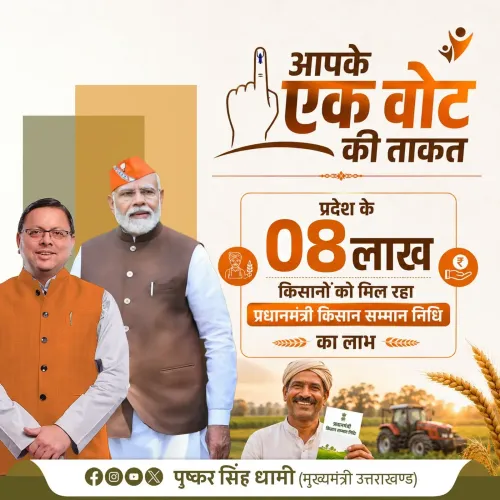
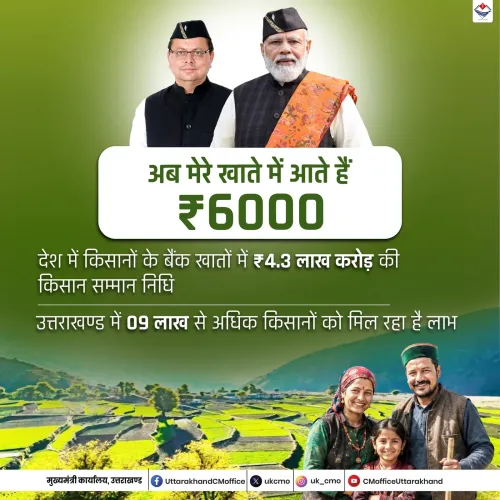
PM-KISAN delivers ₹6,000 per year in three instalments of ₹2,000 directly to eligible landholding farmer families via DBT.
The scheme was launched nationally in February 2019 by the Government of India.
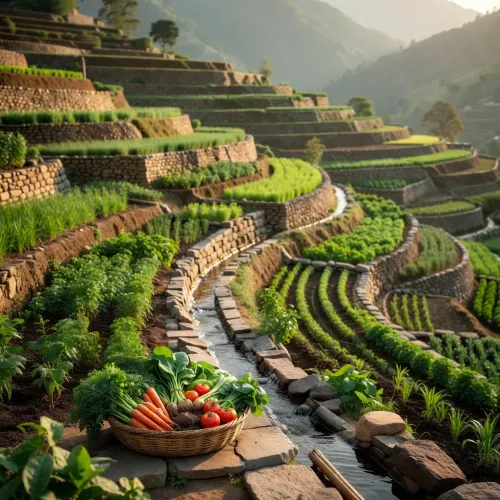
Uttarakhand's hilly terrain and fragmented landholdings make direct income-support transfers particularly significant for local cultivators.
State-level endorsements help drive awareness and enrolment, especially in remote hill districts where gaps between eligible and enrolled farmers persist.
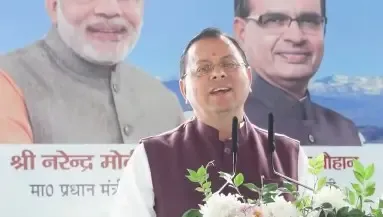
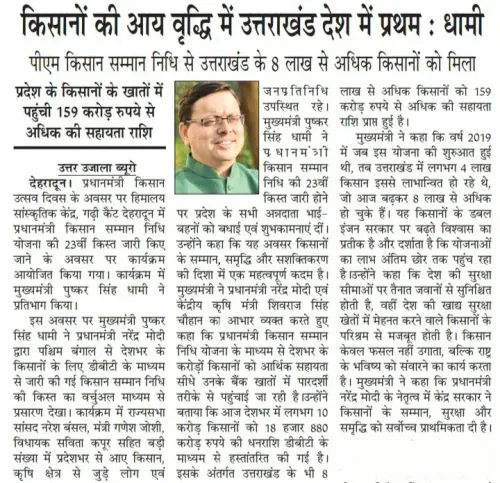
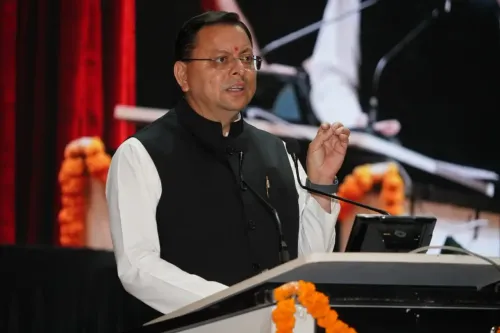
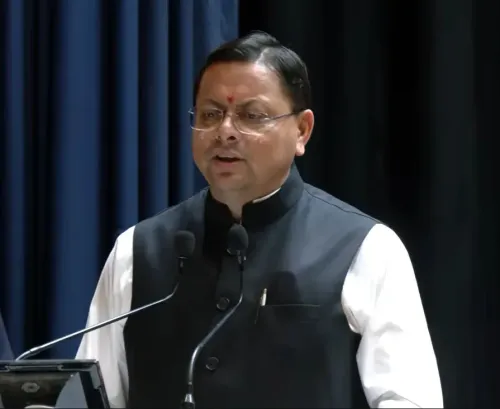
Every year, ₹6,000 lands directly in the bank accounts of millions of farming families — no middlemen, no delays. On Saturday, 31 October 2026, the Chief Minister's Office of Uttarakhand quoted Chief Minister Pushkar Singh Dhami reaffirming that the Pradhan Mantri Kisan Samman Nidhi (PM-KISAN) scheme remains a critical initiative for delivering economic support to the state's cultivators.
Dhami's statement — 'प्रधानमंत्री किसान सम्मान निधि योजना है किसानों को आर्थिक संबल प्रदान करने की महत्वपूर्ण पहल' ('The PM Kisan Samman Nidhi scheme is an important initiative to provide economic strength to farmers') — is a direct endorsement of a Union Government flagship that has been running since February 2019.
What PM-KISAN actually delivers to Uttarakhand's farmers
Launched nationwide by the Government of India in February 2019, PM-KISAN transfers ₹6,000 per year in three equal instalments of ₹2,000 directly into eligible landholding farmer families' bank accounts through the Direct Benefit Transfer (DBT) mechanism. The design cuts out intermediaries entirely — a structural shift from how agricultural subsidies once worked in India.
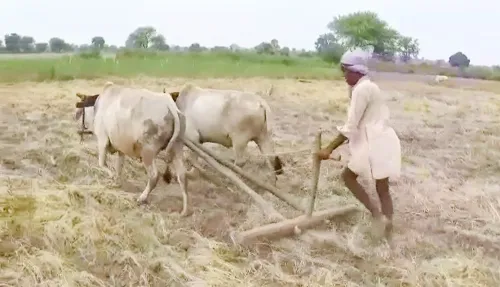
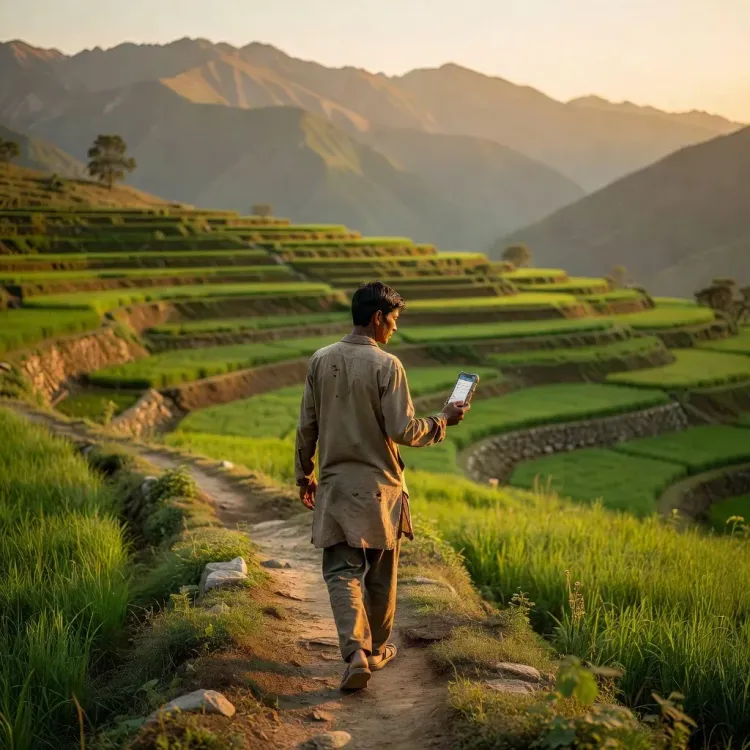
Uttarakhand's terrain — largely hilly, with small and fragmented landholdings — makes income-support schemes particularly consequential for cultivators who face higher input costs and limited market access compared to farmers in the plains. For them, a guaranteed cash transfer provides a floor, not a ceiling.
Why state-level endorsements of central schemes matter
Chief ministers routinely amplify PM-KISAN in state communications to signal alignment with the Union Government's agricultural welfare agenda and to drive last-mile awareness and enrolment among eligible beneficiaries. It is a well-worn playbook of federal coordination — but the repetition serves a purpose: in hilly and remote districts, awareness gaps persist and nudges matter.
Dhami, who has led Uttarakhand since 2021, has consistently positioned the state as an active partner in central welfare delivery. His endorsement on 31 October 2026 keeps that messaging consistent heading into the period when the next PM-KISAN instalment disbursements typically come into focus.
The question now is whether the state pairs this endorsement with a push to clear pending beneficiary verifications — because in Uttarakhand, as elsewhere, the gap between eligible farmers and enrolled farmers is the real measure of the scheme's reach.
Point of View
But its timing matters — instalment disbursements are a recurring political marker, and state governments use these moments to associate themselves with tangible cash transfers reaching rural households. For Uttarakhand, where agriculture is small-scale and incomes are fragile, PM-KISAN's DBT architecture represents a meaningful floor for cultivators. The deeper policy question the statement leaves unanswered is beneficiary saturation: how many eligible Uttarakhand farmers remain outside the enrolment net, and what the state is doing to close that gap.
NationPress
31 Oct 2026
Frequently Asked Questions
What is PM-KISAN and how much money do farmers get?
PM-KISAN (Pradhan Mantri Kisan Samman Nidhi) is a central government scheme that provides ₹6,000 per year to eligible landholding farmer families, paid in three instalments of ₹2,000 directly into their bank accounts.
When was PM-KISAN launched?
PM-KISAN was launched in February 2019 by the Government of India as a nationwide direct income-support programme for farmers.
What did Uttarakhand CM Dhami say about PM-KISAN?
On 31 October 2026, Chief Minister Pushkar Singh Dhami described PM-KISAN as an important initiative for providing economic strength to farmers.
Who is eligible for PM-KISAN in Uttarakhand?
Eligible beneficiaries are landholding farmer families meeting central government criteria; the benefit is transferred directly through the Direct Benefit Transfer mechanism.
Why do state chief ministers endorse PM-KISAN?
State-level endorsements help align state communication with the Union Government's flagship agricultural welfare agenda and improve awareness and enrolment, particularly in remote or hilly areas.