CM Bhupendra Patel Reviews Gujarat's El Niño Preparedness
Synopsis
Chief Minister Bhupendra Patel chaired a high-level meeting in Gandhinagar on June 18 to review Gujarat's El Niño preparedness, ordering advance water planning, expedited lake-filling under Sujalam Sufalam Yojana with an expanded 7 km pipeline radius, and priority filling of Saurashtra's drinking water dams under SAUNI Yojana.
Key Takeaways
CM Bhupendra Patel held a comprehensive review meeting at Gandhinagar on June 18, 2026 to assess El Niño preparedness based on IMD forecasts.
Agriculture Minister Jitu Vaghani and Chief Advisor Hasmukh Adhia were present alongside senior officials from all concerned departments.
The CM reviewed water storage at the Sardar Sarovar Narmada Dam and all state reservoirs in depth.
Under Sujalam Sufalam Yojana , the lake-filling coverage radius was expanded from 3 km to 7 km from the Narmada pipeline, covering more than 300 lakes .
Authorities were directed to expeditiously fill drinking water dams in Saurashtra under the SAUNI Yojana .
The Water Resources and Water Supply Departments were ordered to integrate with the Narmada network for advance planning to prevent any drinking water shortage.
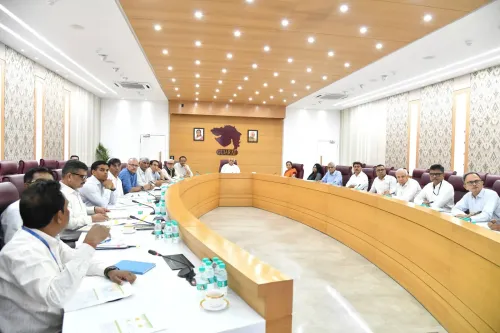
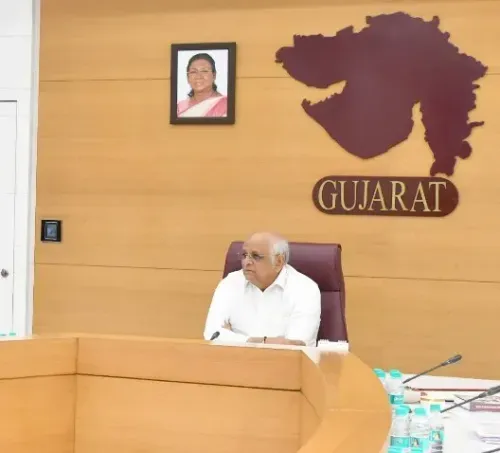
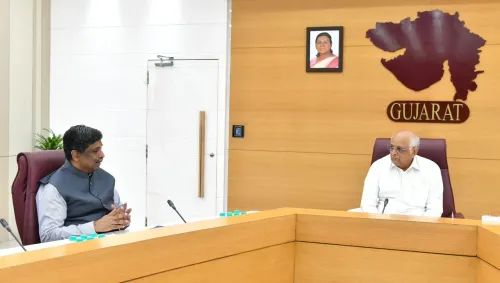
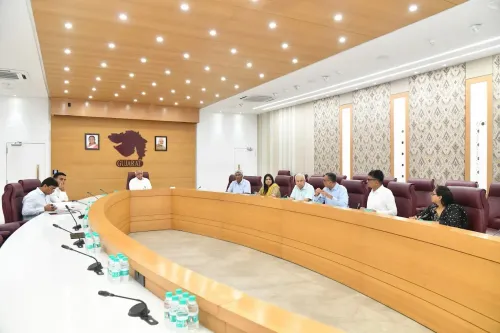
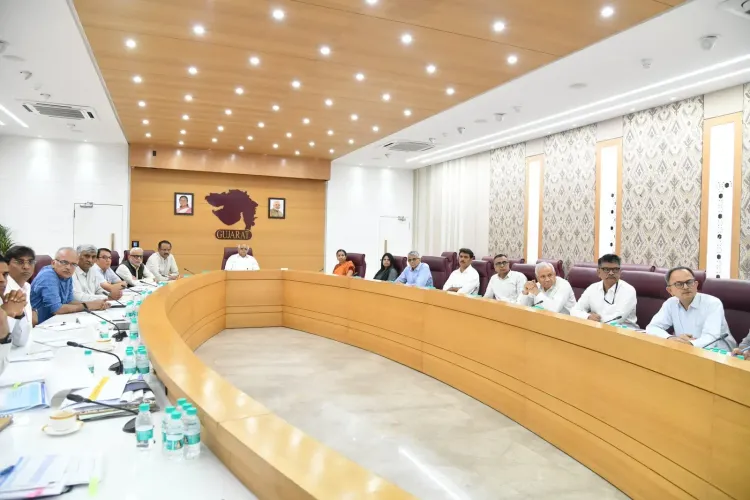
Chief Minister Bhupendra Patel chaired a comprehensive high-level review meeting at Gandhinagar on Thursday, June 18, 2026, to assess Gujarat's overall preparedness against the potential impact of El Niño as forecast by the India Meteorological Department. The meeting was attended by Agriculture Minister Jitu Vaghani, Chief Advisor to the CM Hasmukh Adhia, and senior officials from all concerned departments.
Context
The Chief Minister's Office announced that the meeting focused on a detailed review of water storage levels across reservoirs in all regions of the state, with special attention to the Sardar Sarovar Narmada Dam — described as the lifeline of Gujarat. Officials were directed to undertake advance planning by integrating the Water Resources Department and the Water Supply Department with the Narmada network to ensure no disruption to drinking water supply across the state.
The post, originally in Gujarati, stated: 'રાજ્યની મુખ્ય જીવાદોરી સમાન સરદાર સરોવર નર્મદા ડેમ ઉપરાંત રાજ્યના તમામ પ્રદેશોના જળાશયોમાં સંગ્રહીત પાણીના જથ્થાની ઊંડાણપૂર્વક સમીક્ષા' ['an in-depth review of water stored in the Sardar Sarovar Narmada Dam — the state's main lifeline — as well as reservoirs across all regions of the state'].
Policy Backdrop
Two flagship water schemes were at the centre of the CM's directives. Under the SAUNI Yojana, authorities were instructed to expeditiously fill drinking water dams in Saurashtra. Under the Sujalam Sufalam Yojana, a significant decision was taken to fill more than 300 lakes with Narmada water — expanding the coverage radius from 3 km to 7 km from the Narmada pipeline.
The Sujalam Sufalam Yojana, launched to recharge water bodies in Saurashtra and Kutch using Narmada canal networks, has been a cornerstone of Gujarat's long-term drought-proofing strategy. The Sardar Sarovar project's canal infrastructure, expanded significantly over the past two decades, forms the backbone of this statewide water distribution system. High-level reviews of this kind have been a recurring feature of Gujarat's climate adaptation governance, particularly when seasonal forecasts indicate El Niño conditions.
Stakeholders and Impact
The decisions directly affect farmers and residents of Saurashtra, a region historically vulnerable to water scarcity during deficient monsoon years. Expanding the lake-filling radius under Sujalam Sufalam Yojana from 3 km to 7 km means a substantially larger number of villages and agricultural tracts will have access to Narmada water as a buffer against a potentially weak monsoon.
The CMO stated that agricultural universities' scientists, multiple government departments, and the entire administrative machinery are working in coordination under the CM's leadership, and that the state government is 'prepared and committed to protecting the interests of Gujarat's citizens and farmers in every situation.' Scientists from agricultural universities were also noted as active participants in the inter-departmental coordination effort.
What's Next
The Water Resources Department and Water Supply Department have been tasked with advance planning linked to the Narmada network. The key metric to watch will be the pace of lake-filling operations under the expanded 7 km radius directive and actual reservoir storage levels as the monsoon season of 2026 progresses.
If El Niño conditions materialise as forecast, the effectiveness of these pre-emptive measures — particularly the accelerated filling of Saurashtra's drinking water dams — will determine how well Gujarat's rural and agricultural communities weather a potentially below-normal rainfall season.
Point of View
Mobilising its Narmada infrastructure well ahead of the monsoon peak. The expansion of Sujalam Sufalam Yojana's coverage from 3 km to 7 km is a meaningful operational upgrade, extending the drought-buffer to a significantly larger catchment of villages and farms. Politically, the move allows the BJP-led state government to project proactive governance on farmer welfare — a perennially sensitive issue in Saurashtra. The coordination of agricultural university scientists with line departments also reflects a technocratic approach to climate adaptation that Gujarat has cultivated over successive administrations.
NationPress
21 Sept 2026
Frequently Asked Questions
Why did CM Bhupendra Patel hold a water review meeting in June 2026?
CM Bhupendra Patel convened the meeting in response to the India Meteorological Department's forecast of a potential El Niño impact, to review Gujarat's reservoir storage levels and ensure advance planning for drinking water supply across the state.
What is the Sujalam Sufalam Yojana and what changed under the new decision?
Sujalam Sufalam Yojana is a Gujarat scheme that fills lakes, check dams and tanks using Narmada canal water to mitigate drought. The CM expanded its coverage radius from 3 km to 7 km from the Narmada pipeline, bringing more than 300 lakes within the scheme's ambit.
What is the SAUNI Yojana and how does it relate to Saurashtra's water needs?
SAUNI Yojana links Saurashtra's drinking water dams to the Narmada river system via pipelines. The CM directed authorities to expeditiously fill these dams to safeguard drinking water availability in Saurashtra during a potentially deficient monsoon season.
What is the role of the Sardar Sarovar Narmada Dam in Gujarat's water security?
The Sardar Sarovar Narmada Dam is Gujarat's primary multipurpose dam, serving irrigation, drinking water and power needs across the state. It forms the backbone of the Narmada canal and pipeline network that feeds schemes like Sujalam Sufalam and SAUNI Yojana.
Who attended the El Niño preparedness review meeting with CM Bhupendra Patel?
Agriculture Minister Jitu Vaghani, Chief Advisor to the CM Hasmukh Adhia, and senior officials from all departments concerned with water resources, water supply and agriculture attended the meeting at Gandhinagar on June 18, 2026.