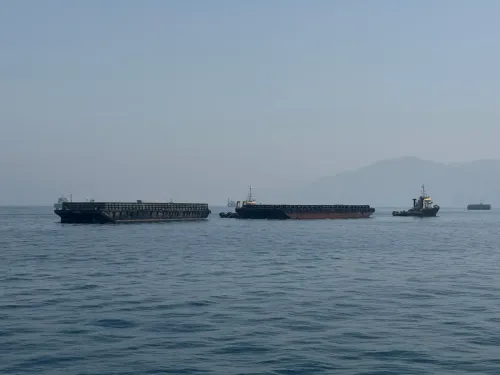
US naval blockade against Iran: 12 vessels redirected, 2 boarded, 1 disabled
Synopsis
The US naval blockade against Iran is no longer a warning — it is an active enforcement operation. With 12 vessels redirected, 2 disabled, and 13 consecutive nights of strikes on Iranian military infrastructure, CENTCOM is running one of the most intensive US naval campaigns in the Gulf in a generation. The Strait of Hormuz remains open, but for how long under these conditions is the question every energy market is asking.
Key Takeaways
CENTCOM confirmed on 26 July that the US naval blockade against Iran is fully in effect.
As of 25 July , 12 commercial vessels have been redirected, 2 disabled , and 2 boarded for compliance checks.
The Mozambique-flagged M/T Lavine was disabled in the Gulf of Oman on 24 July after its crew allegedly attempted to breach the blockade multiple times.
The Comoros-flagged M/T Charminar was boarded for verification in the Arabian Sea and subsequently allowed to continue its voyage.
US forces completed their 13th consecutive night of strikes against Iranian military targets as of 24 July .
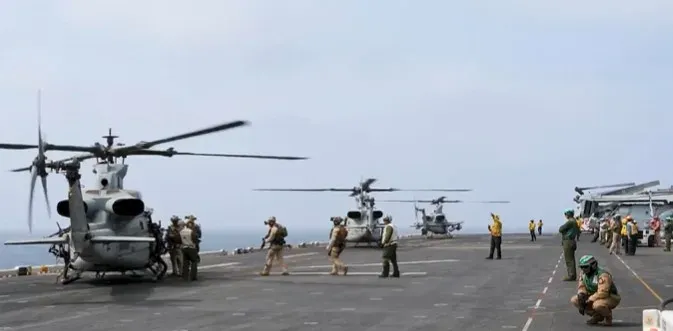
More than 50,000 US service members are currently operating across the Middle East .
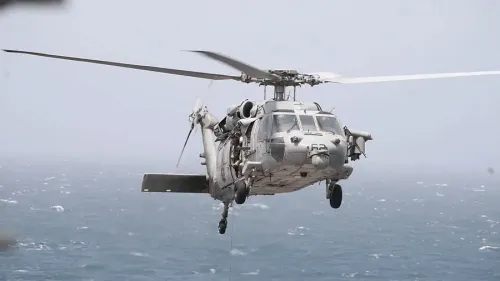
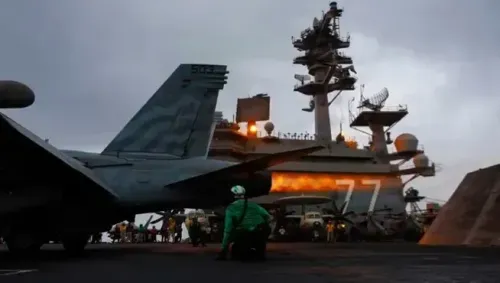
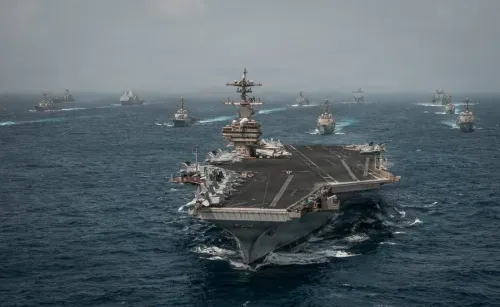
The US Central Command (CENTCOM) confirmed on 26 July that the United States' naval blockade against Iran remains fully operational, with American forces having redirected 12 commercial vessels, boarded 2 for compliance verification, and disabled 2 that failed to comply. The blockade, enforced across the Arabian Sea and Gulf of Oman, marks one of the most assertive US naval enforcement actions in the region in recent years.
Key Developments at Sea
CENTCOM stated in a post on X: 'The U.S. naval blockade against Iran remains in full effect. As of July 25, CENTCOM has redirected 12 commercial vessels trying to run the blockade, disabled 2 that didn't comply, and boarded 2 to ensure total compliance.'
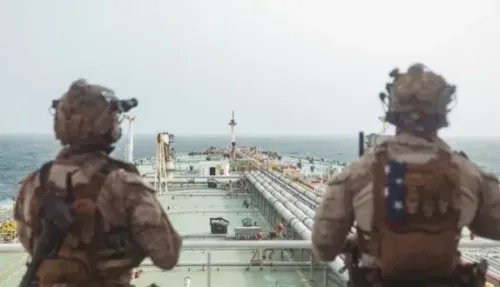
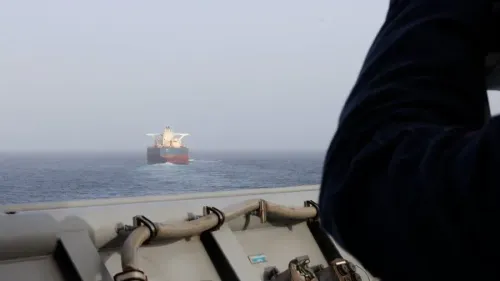
Among the vessels involved, the Comoros-flagged tanker M/T Charminar was boarded by US forces in the Arabian Sea for a verification inspection before being cleared to continue its journey. In a separate incident on 24 July, the Mozambique-flagged tanker M/T Lavine was disabled in the Gulf of Oman after its crew allegedly attempted to breach the blockade on multiple occasions and ignored repeated warnings from US forces. CENTCOM confirmed the vessel is 'no longer transiting to Iran.'
Strikes on Iranian Military Infrastructure
Separately, CENTCOM disclosed that US forces had completed their 13th consecutive night of strikes against Iran as of 24 July. The strikes reportedly targeted Iranian military command centres, drone storage facilities, communication networks, coastal surveillance sites, and maritime capabilities. According to CENTCOM, the operations are aimed at reducing what it describes as threats posed by Iran to civilian mariners and commercial vessels transiting the Strait of Hormuz.
Notably, CENTCOM maintained that the Strait of Hormuz — through which a significant share of the world's seaborne oil passes — remains open for commercial transit, with US military support enabling continued navigation despite the ongoing hostilities.
Scale of US Military Presence
CENTCOM disclosed that more than 50,000 US service members are currently deployed across the Middle East as part of ongoing regional operations. The command stated that 'American forces remain highly vigilant, focused, lethal, and ready,' signalling no imminent drawdown.
This comes amid a broader escalation in US-Iran tensions, with the blockade and sustained air campaign representing a significant shift from the deterrence-only posture Washington had maintained for much of the past two decades. Critics and regional analysts have raised concerns about the humanitarian and economic implications of disrupting commercial shipping in one of the world's most strategically vital waterways.
What Happens Next
With 13 consecutive nights of strikes and an active naval enforcement operation, the trajectory points toward sustained pressure rather than a quick resolution. How Iran responds — and whether non-aligned nations with vessels in the region push back diplomatically — will shape the next phase of this confrontation. Global energy markets and shipping insurers are closely monitoring developments in the Strait of Hormuz.
Point of View
It is enforcement. What mainstream coverage underplays is the second-order risk: with 50,000 US personnel in the region and tankers being disabled in the Gulf of Oman, the margin for miscalculation is razor-thin. The Strait of Hormuz handles roughly a fifth of global oil trade; even the perception of sustained closure risk has historically been enough to spike energy prices. India, as one of the world's largest crude importers and a significant user of the Hormuz corridor, has more at stake here than most coverage acknowledges.
NationPress
24 Oct 2026
Frequently Asked Questions
What is the US naval blockade against Iran?
The US naval blockade against Iran is an active military enforcement operation in which American forces are intercepting, redirecting, boarding, and disabling commercial vessels attempting to transit goods to Iran. As of 25 July, CENTCOM has redirected 12 vessels, disabled 2, and boarded 2 for verification.
Which ships were boarded or disabled during the blockade?
The Comoros-flagged tanker M/T Charminar was boarded in the Arabian Sea for a compliance check and then allowed to proceed. The Mozambique-flagged tanker M/T Lavine was disabled in the Gulf of Oman on 24 July after its crew allegedly attempted to violate the blockade multiple times and ignored repeated warnings.
Is the Strait of Hormuz still open for commercial shipping?
According to CENTCOM, the Strait of Hormuz remains open for commercial transit as of 26 July, with US military forces actively supporting navigation through the waterway. However, the ongoing blockade and strike campaign have raised concerns among shipping companies and energy markets about sustained access.
How many US troops are deployed in the Middle East?
CENTCOM has disclosed that more than 50,000 US service members are currently operating across the Middle East as part of ongoing regional operations tied to the Iran campaign.
What has CENTCOM struck inside Iran?
According to CENTCOM, US forces have carried out 13 consecutive nights of strikes targeting Iranian military command centres, drone storage facilities, communication networks, coastal surveillance sites, and maritime capabilities, with the stated aim of reducing threats to civilian mariners in the Strait of Hormuz.