CM Bhajanlal Sharma Chairs Monsoon Preparedness Meet in Rajasthan
Synopsis
Chief Minister Bhajanlal Sharma chaired a review meeting on 17 July 2026, directing Rajasthan's administration to be fully prepared for monsoon contingencies, covering flood management, dam storage monitoring, and post-rain road repair planning.
Key Takeaways
CM Bhajanlal Sharma chaired a high-level monsoon preparedness meeting on 17 July 2026 .
The Chief Minister directed the administration to remain 'fully prepared to deal with every situation' during the monsoon.
The meeting covered disaster and flood management , dam storage status , and repair of damaged assets .
Srinivas and officials from all relevant departments attended the meeting.
Post-rain road repair planning was a specific agenda item, reflecting the impact of monsoon damage on rural connectivity.
The session aligns with India's annual pre-monsoon coordination cycle under NDMA guidelines .
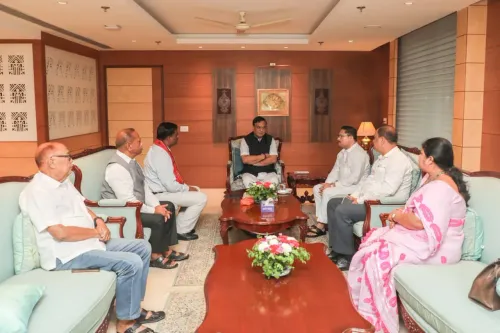
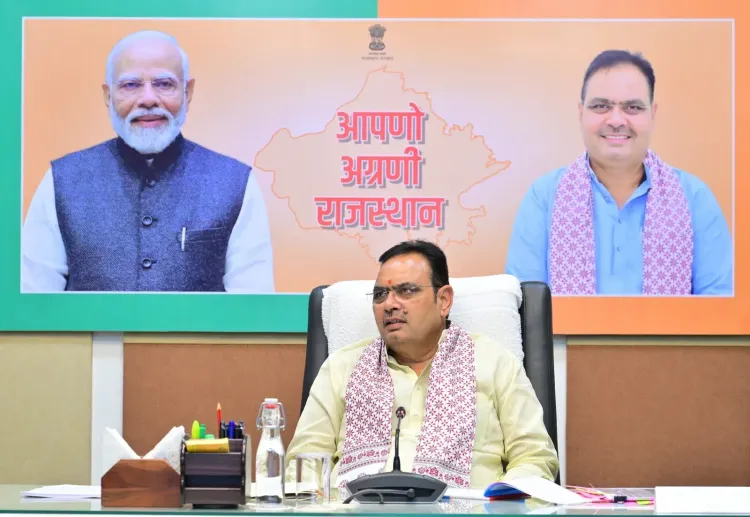
Chief Minister Bhajanlal Sharma of Rajasthan chaired a high-level review meeting on Friday, 17 July 2026, directing the state administration to remain fully prepared for all eventualities during the monsoon season and to plan post-rain road repair works across the state.
Addressing officials at the meeting, the Chief Minister said, 'मानसून को देखते हुए, प्रशासन हर परिस्थिति से निपटने के लिए, पूरी तरह तैयार रहे' ('In view of the monsoon, the administration must remain fully prepared to deal with every situation'). The directive underscores the government's intent to move from reactive to proactive disaster management ahead of peak rainfall months.
Context
The meeting covered three broad areas: disaster and flood management, the storage status of dams, and the repair of damaged assets including roads. Chief Secretary V. Srinivas and senior officials from all relevant departments were present. The Chief Minister's Office shared images from the session on the state's official X account under the hashtag #आपणो_अग्रणी_राजस्थान ('Our Leading Rajasthan').
Rajasthan's geography makes it uniquely vulnerable during the monsoon: its arid and semi-arid landscape, while chronically water-scarce, can experience sudden and intense localised flooding in low-lying districts when rainfall arrives unevenly. Roads in rural areas bear the heaviest damage, cutting off communities and delaying emergency response.
Policy Backdrop
State governments across India hold pre-monsoon coordination meetings each year in line with guidelines issued by the National Disaster Management Authority (NDMA), established under the Disaster Management Act of 2005. Rajasthan has historically followed this annual cycle, synchronising district-level contingency plans with state-level resource allocation for flood relief and infrastructure repair.
The focus on dam storage levels is particularly significant in Rajasthan, where reservoirs serve a dual purpose: flood moderation during heavy inflows and water conservation for the dry months that follow. Monitoring filling rates in real time allows the administration to issue early warnings to downstream populations.
Stakeholders and Impact
District administrations across Rajasthan's 50 districts are the primary implementing bodies for the directives issued at this meeting. Their preparedness — in terms of pre-positioned relief material, operational control rooms, and coordination with the State Disaster Response Force — will determine how effectively the state responds to flood events.
Rural road users and farming communities in flood-prone districts stand to benefit most directly from timely post-rain road repairs, as damaged connectivity delays the movement of agricultural produce and access to health services. The Public Works Department is expected to initiate tendering for repair works in the weeks following the meeting.
What's Next
The government is expected to release district-wise flood contingency plans in the near term, with the Public Works Department likely to float tenders for monsoon-damage road repairs as the season progresses. The Chief Minister's emphasis on advance planning suggests the administration will track dam water levels and rainfall data closely through the peak monsoon window of July to September 2026.
How swiftly district administrations translate these directives into operational readiness — and how transparently repair expenditures are tracked — will be a measure of the state's governance capacity this monsoon season.
Point of View
As the monsoon advances across Rajasthan — reflects a pattern of institutionalised pre-monsoon governance that BJP-led state governments have leaned into as a visible administrative signal. By personally chairing the meeting and directing the Chief Secretary, CM Bhajanlal Sharma is projecting executive ownership over disaster preparedness, a politically sensitive domain after past criticism of slow flood response in the state. The dual focus on dam storage and road repair also signals awareness that infrastructure damage is the most voter-visible consequence of monsoon mismanagement. Whether this translates into faster on-ground response will depend on district-level execution in the weeks ahead.
NationPress
15 Oct 2026
Frequently Asked Questions
Why did CM Bhajanlal Sharma hold a monsoon preparedness meeting?
CM Bhajanlal Sharma chaired the meeting on 17 July 2026 to review flood management plans, monitor dam storage levels, and direct departments to plan post-rain road repairs ahead of the peak monsoon period.
Who attended the Rajasthan monsoon review meeting on 17 July 2026?
Chief Secretary V. Srinivas and senior officials from all relevant state departments attended the meeting chaired by CM Bhajanlal Sharma.
What is Rajasthan's approach to monsoon flood management?
Rajasthan follows annual pre-monsoon coordination cycles aligned with National Disaster Management Authority guidelines, covering district-level contingency plans, dam monitoring, and pre-positioned relief resources.
How does the monsoon affect roads in Rajasthan?
Heavy and uneven monsoon rainfall damages rural roads across Rajasthan, cutting off communities and delaying emergency response; the state's Public Works Department undertakes repair works after each monsoon season.
What is the significance of dam storage monitoring during Rajasthan's monsoon?
Rajasthan's dams serve both flood moderation and water conservation roles; tracking filling rates in real time allows the administration to issue early warnings to downstream populations and manage water for the dry months that follow.