US spy agencies split on China 2020 election intel, Trump declassifies
Synopsis
Newly declassified records show US intelligence agencies were deeply divided over China's alleged interference in the 2020 election — with the FBI recalling a report mid-circulation and senior analysts drafting a dissenting 'alternative analysis.' Trump has now ordered the FBI, CIA, and DOJ to investigate how the intelligence was handled, escalating what is already a politically explosive disclosure.
Key Takeaways
Declassified records released on 17 July reveal internal disagreements within the US intelligence community over China's alleged 2020 election interference .
The FBI recalled an intelligence report shortly after circulation, triggering weeks of internal debate over its sourcing and credibility.
An August 2020 National Intelligence Council assessment found Beijing preferred Trump to lose but was reluctant to run a large-scale covert campaign.
Senior analysts at the National Intelligence Council drafted an 'alternative analysis' in October 2020 , arguing China had taken 'low-level, exploratory steps' to influence voter perceptions.
President Trump has directed the FBI , CIA , DOJ , and ODNI to investigate how the China election intelligence was handled.
Newly declassified US government records released by President Donald Trump's administration have exposed sharp internal disagreements within the American intelligence community over how to assess and report alleged Chinese efforts to influence the 2020 US presidential election. The documents, made public on 17 July, offer an unusually detailed window into how politically sensitive intelligence was debated, disputed, and at times withheld during a critical election year.
What the Declassified Records Reveal
The released files include internal FBI emails, intelligence assessments, and inter-agency correspondence. A central thread running through the documents is that officials disagreed — sometimes sharply — over both the strength of available intelligence and how it should be presented to policymakers.
One set of records shows the FBI recalled an intelligence report shortly after it had been circulated, setting off weeks of internal debate over its sourcing, credibility, and whether additional investigation was needed before the information could be shared more broadly.
The August 2020 Assessment and Its Dissenters
An August 2020 National Intelligence Council assessment concluded that Beijing preferred President Trump to lose re-election but judged that China was reluctant to launch a large-scale covert campaign, given the risk that such efforts could backfire. The assessment nonetheless noted that China had stepped up public criticism of the Trump administration, expanded online influence activity, and collected information on US public officials.
However, separate internal correspondence released alongside the assessment shows that some senior election analysts believed the existing intelligence understated China's activities. In an October 2020 email, the Director for Election Threat Analysis at the National Intelligence Council informed other agencies that he and the National Intelligence Officer for Cyber held 'a somewhat different take on the Chielection story' from the broader intelligence community and planned to publish an 'alternative analysis' setting out their views. The email stated they believed Beijing had taken 'some low-level, exploratory steps to denigrate the President and shape voter perceptions ahead of the election.'
Trump's Response and Orders to Investigate
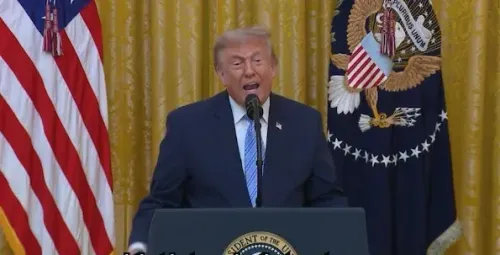
President Trump cited the declassified documents in a White House address, arguing that intelligence concerning China's election-related activities had been suppressed within sections of the government. He directed the Office of the Director of National Intelligence, the Justice Department, the FBI, and the CIA to investigate how the intelligence had been handled.
This comes amid a broader pattern of the Trump administration declassifying or releasing documents that it argues demonstrate institutional bias or suppression of information within the federal intelligence apparatus — a continuation of tensions between the White House and career intelligence officials that have defined much of the post-2020 political landscape.
Why This Matters
The documents provide a rare, granular look at how intelligence agencies navigate politically charged reporting during election cycles. Notably, the disagreements were not merely about China's intent — they extended to procedural questions about sourcing, dissemination, and who had the authority to recall or revise assessments. Critics argue that such internal friction, if left unresolved, can distort the intelligence picture available to senior policymakers at the most consequential moments. The investigation ordered by Trump is expected to examine whether proper protocols were followed in handling and sharing the China-related intelligence.
Point of View
Recalled its own reports, and had senior analysts drafting dissenting memos outside the consensus process. That kind of internal fracture is precisely what adversaries exploit. Trump's decision to declassify and then order investigations simultaneously serves a political purpose, but it does not make the underlying dysfunction any less real. The question mainstream coverage is sidestepping: if analysts believed the official assessment understated China's activities, why did that dissent never surface publicly in 2020? The answer to that is the real story.
NationPress
15 Oct 2026
Frequently Asked Questions
What do the newly declassified US documents reveal about China and the 2020 election?
The documents reveal that US intelligence agencies were sharply divided over how to assess and report China's alleged efforts to influence the 2020 presidential election. Internal FBI emails and inter-agency correspondence show disputes over sourcing, credibility, and dissemination of key intelligence reports.
What did the 2020 National Intelligence Council assessment say about China?
An August 2020 National Intelligence Council assessment concluded that Beijing preferred President Trump to lose re-election but judged that China was reluctant to run a large-scale covert campaign due to the risk of backfire. It noted China had stepped up public criticism of the Trump administration and expanded online influence activity.
Why did the FBI recall an intelligence report during the 2020 election?
According to the declassified records, the FBI recalled an intelligence report shortly after it was circulated due to concerns over its sourcing and credibility. The recall triggered weeks of internal debate over whether additional investigation was needed before the information could be shared more widely.
What is the 'alternative analysis' mentioned in the documents?
In an October 2020 email, the Director for Election Threat Analysis at the National Intelligence Council said he and the National Intelligence Officer for Cyber planned to publish an 'alternative analysis' because they believed the official assessment understated China's activities. They argued Beijing had taken 'some low-level, exploratory steps to denigrate the President and shape voter perceptions.'
What action has President Trump ordered following the declassification?
President Trump has directed the Office of the Director of National Intelligence, the Justice Department, the FBI, and the CIA to investigate how the China election intelligence was handled, arguing it had been suppressed within sections of the government.