US Democrats reject Trump's 2020 election claims after prime-time address
Synopsis
Trump's prime-time address on election interference drew immediate fire from top Democrats, who called his claims 'debunked lies' and warned he is laying the groundwork to suppress turnout ahead of the 2026 midterms. With US intelligence agencies having previously rejected the core allegations, the fight over electoral integrity is back at the centre of American politics.
Key Takeaways
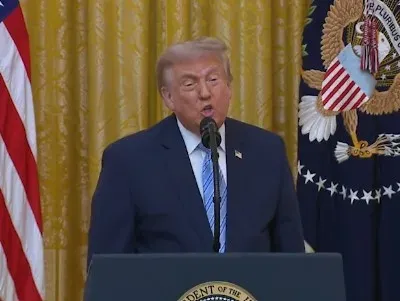
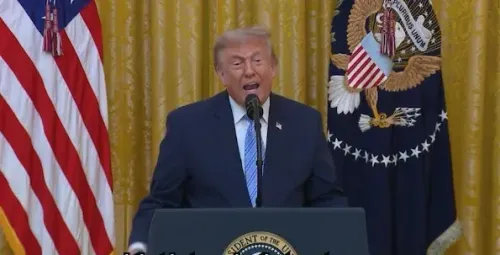
President Donald Trump delivered a prime-time address on 17 July claiming widespread foreign interference and vulnerabilities in US election infrastructure .
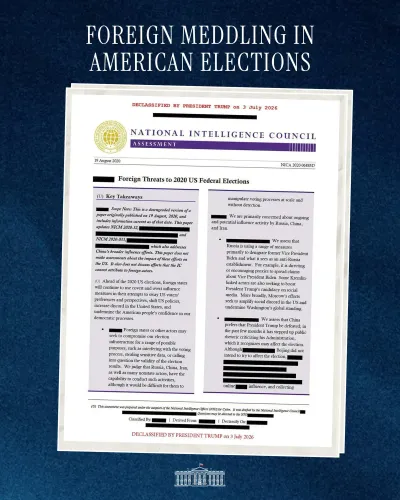
He announced declassification of intelligence, FBI , and cybersecurity records and called on Congress to pass the Save America Act .
DNC Chairman Ken Martin called Trump's claims 'debunked lies,' citing prior US intelligence conclusions that China did not directly interfere in the 2020 election .
Senator Mark Warner said intelligence agencies had confirmed 'no foreign government altered vote totals, hacked voting machines, or compromised the integrity of our election infrastructure.' Former Vice President Kamala Harris posted on social media: 'The 2020 election was not stolen.
We won, and he lost.' Democrats vowed to pursue legal challenges and voter protection efforts ahead of the 2026 midterm elections .
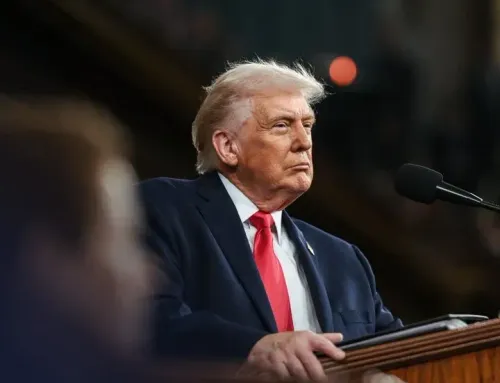
Senior Democratic leaders swiftly pushed back against President Donald Trump's prime-time address to the nation on 17 July, rejecting his assertions of widespread foreign interference and vulnerabilities in US election infrastructure, and accusing him of recycling discredited narratives about the 2020 presidential election to set the stage for influencing the upcoming 2026 midterm elections.
What Trump Claimed
In his address, Trump announced the declassification of intelligence, FBI, and cybersecurity records that he said documented Chinese election activities, gaps in US election infrastructure, and alleged efforts by government officials to suppress intelligence findings. He also called on Congress to pass the Save America Act, which would mandate photo identification, proof of citizenship, and tighter restrictions on mail-in voting.
Democratic Rebuttal
Democratic National Committee (DNC) Chairman Ken Martin accused Trump of relying on 'debunked lies' and attempting to erode public confidence in American elections. 'Tonight, Americans watched Donald Trump air old grievances and desperately try to justify his assault on free and fair elections with lies about the 2020 election he lost,' Martin said. He further argued that US intelligence had previously concluded 'with high confidence' that China 'did not attempt any direct interference with the US election process in 2020,' and accused Republicans of trying to 'lay the groundwork for interfering with the midterm elections.'
Martin confirmed that Democrats would press ahead with legal challenges, voter protection efforts, and nationwide organising ahead of the 2026 elections.
Congressional Democrats Weigh In
Representative Bennie Thompson of Mississippi, the top Democrat on the House Homeland Security Committee, dismissed the address as an attempt to revisit Trump's 2020 defeat. 'Donald Trump has chosen to use a primetime address to the nation to — once again — find a new way to relitigate his well-documented 2020 election defeat,' Thompson said. He acknowledged that foreign governments had long sought to influence US elections but argued Trump had presented 'old, cherry-picked intelligence' with 'no evidence' that altered prior conclusions about 2020. Thompson also criticised the Trump administration for dismantling federal election security programmes, noting that Democrats had consistently backed investment in modern voting equipment and cybersecurity assistance for state officials.
Senator Mark Warner of Virginia, Democratic vice chairman of the Senate Intelligence Committee, challenged Trump's framing of the intelligence record. 'Tonight, Americans heard the president once again repeat claims about our elections that have been investigated for years and repeatedly rejected by the Intelligence Community, the FBI, DHS, DOJ, bipartisan state election officials, audits, recounts, and the courts,' Warner said. While describing China as 'a serious strategic competitor,' Warner noted that intelligence agencies had consistently concluded that Beijing ultimately did not deploy a campaign intended to affect the 2020 election's outcome. He added that US intelligence had also determined that 'no foreign government altered vote totals, hacked voting machines, or compromised the integrity of our election infrastructure.'
Harris Joins the Criticism
Former Vice President Kamala Harris weighed in via a series of social media posts during and before the speech. 'The 2020 election was not stolen. We won, and he lost,' Harris wrote. She subsequently accused Trump of seeking to suppress voter turnout ahead of the midterms, writing that he wanted Americans 'to lose confidence in our electoral system so you stay home this November.'
The Broader Stakes
The sharp partisan divide over Trump's address underscores how election security remains among the most politically contentious issues in the United States, nearly six years after the 2020 presidential election. This is not the first time Trump has made such claims — courts, audits, recounts, and multiple federal agencies have previously rejected allegations of widespread fraud or decisive foreign interference in 2020. With the 2026 midterms approaching, both parties are expected to intensify their competing narratives around electoral integrity.
Point of View
Frame the release as revelation, and let partisan noise do the rest. The problem is that the underlying intelligence conclusions — repeatedly affirmed by the FBI, DHS, DOJ, and bipartisan state officials — have not changed. What has changed is the electoral calendar: with 2026 midterms approaching, the timing of this address is as much about base mobilisation and mail-vote restriction as it is about national security. Democrats are right to flag the asymmetry, but their own record on election-security funding cuts gives Republicans a counter-narrative. The real casualty here is institutional trust — and no prime-time address from either side is likely to repair it.
NationPress
15 Oct 2026
Frequently Asked Questions
What did Trump claim in his prime-time address on election security?
Trump announced the declassification of intelligence, FBI, and cybersecurity records that he said documented Chinese election activities, vulnerabilities in US election infrastructure, and alleged efforts by officials to suppress intelligence. He also called on Congress to pass the Save America Act, which would require photo ID, proof of citizenship, and tighter restrictions on mail-in voting.
Why are Democrats rejecting Trump's election interference claims?
Senior Democrats argue that US intelligence agencies previously concluded with high confidence that China did not directly interfere in the 2020 election, and that courts, audits, recounts, and federal agencies have repeatedly rejected allegations of widespread fraud. They accuse Trump of presenting 'cherry-picked intelligence' with no new evidence.
What did Senator Mark Warner say about the intelligence record?
Senator Mark Warner, Democratic vice chairman of the Senate Intelligence Committee, said intelligence agencies had consistently concluded that no foreign government altered vote totals, hacked voting machines, or compromised US election infrastructure in 2020. He acknowledged China as a strategic competitor but said Beijing ultimately did not deploy a campaign to affect the election's outcome.
What is the Save America Act that Trump called on Congress to pass?
The Save America Act, as described by Trump in his address, would mandate photo identification and proof of citizenship to vote, and impose tighter restrictions on mail-in voting. Democrats have opposed such measures, arguing they would suppress voter turnout.
How does this dispute connect to the 2026 midterm elections?
Democrats, including DNC Chairman Ken Martin, have accused Trump of using the address to lay the groundwork for influencing the 2026 midterm elections by undermining public confidence in the electoral system. Former Vice President Kamala Harris echoed this, warning that Trump wanted Americans to 'lose confidence in our electoral system so you stay home this November.'