Trump declassifies files alleging China stole 220 million US voter records
Synopsis
Trump's nationally televised declassification announcement goes far beyond prior election-security disclosures — alleging China obtained 220 million American voter files, that intelligence on this was withheld from him during his first term, and that voter systems were successfully breached in at least 20 states. With midterms approaching, the release is set to reshape the foreign-interference debate, even as the evidentiary weight of the documents varies widely.
Key Takeaways
President Donald Trump ordered the declassification of intelligence records on 17 July , alleging China acquired 220 million US voter files.
A White House task force statement said voter records tied to at least 18 states were compromised; 16 jurisdictions were publicly named.
A suspected Chinese cyber actor allegedly downloaded voter data from six states via commercial websites in January 2022 .
Voter-registration systems were reportedly targeted across all 50 states , with confirmed breaches in at least 20 , according to a DHS/CISA report.
Trump directed the FBI , CIA , Justice Department , and ODNI to investigate alleged suppression of this intelligence during his first term.
The released documents carry varying evidentiary weight — including raw intelligence and witness allegations — and many claims remain disputed or unproven.
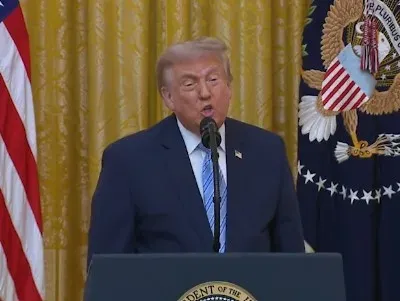
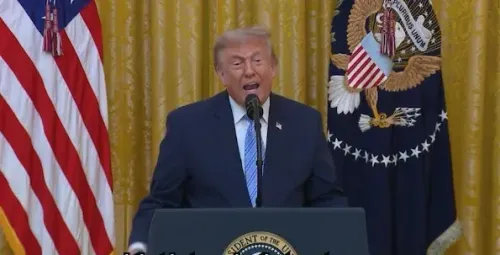
President Donald Trump on Thursday, 17 July ordered the declassification and release of a sweeping set of intelligence and law-enforcement documents that he said expose China's acquisition of American voter data, foreign interference risks, and critical vulnerabilities in the United States election system. The announcement was made during a nationally televised address, marking one of the most expansive public disclosures of election-related intelligence in recent memory.
What the Declassified Records Allege
According to Trump, the first tranche of released documents claims that China acquired 220 million US voter files containing names, addresses, telephone numbers, political affiliations, and other personally identifiable information that could be exploited in election-related operations. A separate statement from a White House task force said more than 200 million voter records without state-specific affiliations had been compromised, while records tied to at least 18 states were also affected.
The statement publicly identified 16 jurisdictions, including Alaska, Arkansas, Colorado, Connecticut, Florida, Georgia, Maryland, Michigan, New York, North Carolina, and Ohio. A separate assessment alleged that a suspected Chinese cyber actor downloaded publicly available voter-registration information from Colorado, Connecticut, Florida, Michigan, Oklahoma, and Rhode Island via commercial websites in January 2022, and also reportedly attempted — unsuccessfully — to download an Ohio voter-registration application.
Trump's Accusations Against the Intelligence Community
Trump alleged that officials within the intelligence community had suppressed information about China's activities, and claimed the intelligence was not provided to him during his first term in office. He directed the Office of the Director of National Intelligence, the Justice Department, the FBI, and the CIA to investigate why the information was allegedly withheld. He further called for officials found to have engaged in wrongdoing to be dismissed and prosecuted where appropriate.
The documents were reportedly assembled by the White House Government Transparency Task Force and reviewed with support from the President's Intelligence Advisory Board and senior intelligence officials.
Scope of the Alleged Threat
The released records include reports alleging that China sought to weaken Trump politically, influence American business leaders and journalists, and exploit racial, economic, immigration, and partisan divisions within the United States. A Department of Homeland Security and Cybersecurity and Infrastructure Security Agency (CISA) report included in the release warned that stolen voter data could potentially be used to request absentee ballots, alter voter addresses or polling locations, and add or delete voter registrations. According to that report, voter-registration systems had been targeted across all 50 states, with confirmed successful compromises in at least 20.
Trump also highlighted FBI records concerning a Michigan investigation into allegedly fraudulent voter-registration applications. Those records document witness allegations, database checks, and a federal investigation that continued for several years. Prosecutors ultimately declined to bring charges, and the FBI later closed the case after saying investigators had not established a prosecutable federal violation.
Policy Demands and What Comes Next
Trump said his administration would notify governors, lawmakers, and state officials about vulnerabilities identified in their respective jurisdictions. He also urged Congress to pass legislation requiring photo identification and proof of citizenship for voting, while sharply limiting mail-in ballots.
Notably, the released dossier includes completed assessments, raw intelligence, recalled FBI reporting, and witness allegations — meaning their evidentiary weight varies considerably, and many claims remain disputed or unverified. The disclosures are expected to intensify debate over foreign interference, election security, and the handling of politically sensitive intelligence ahead of the US midterm elections.
Point of View
Trump simultaneously frames the intelligence community as an adversary and positions himself as the corrective force — a narrative that serves his domestic political interests ahead of the midterms. The critical caveat buried in the disclosure is that the documents include raw intelligence and witness allegations, not just finished assessments, meaning the evidentiary bar is deliberately blurred. Foreign interference in US elections is a documented, serious concern — but bundling verified cyber intrusions with unproven fraud allegations in a single televised release makes independent scrutiny harder, not easier. The demand for photo ID and citizenship proof for voting, appended to a national-security announcement, signals that the policy agenda is inseparable from the intelligence framing.
NationPress
15 Oct 2026
Frequently Asked Questions
What did Trump's declassified files allege about China?
The released documents allege that China acquired 220 million US voter files containing names, addresses, phone numbers, and political affiliations. A White House task force statement further claimed that voter records linked to at least 18 states were compromised, with 16 jurisdictions publicly named.
Which US states were identified as affected by the alleged Chinese data acquisition?
The White House publicly named 16 jurisdictions, including Alaska, Arkansas, Colorado, Connecticut, Florida, Georgia, Maryland, Michigan, New York, North Carolina, and Ohio. A separate assessment alleged that voter data from Colorado, Connecticut, Florida, Michigan, Oklahoma, and Rhode Island was downloaded by a suspected Chinese cyber actor in January 2022.
Why did Trump accuse the intelligence community of suppression?
Trump alleged that intelligence about China's voter-data acquisition was not provided to him during his first term, suggesting officials within the intelligence community had withheld it. He directed the FBI, CIA, Justice Department, and the Office of the Director of National Intelligence to investigate the alleged suppression.
How reliable are the declassified documents?
The released dossier includes a mix of completed intelligence assessments, raw intelligence, recalled FBI reporting, and witness allegations, meaning their evidentiary weight varies considerably. Many of the claims in the documents remain disputed or unproven, and prosecutors in at least one referenced case — a Michigan voter-registration investigation — declined to bring charges.
What policy changes did Trump call for following the disclosure?
Trump urged Congress to pass legislation mandating photo identification and proof of citizenship for voting, while sharply curtailing mail-in ballots. He also said his administration would notify governors and state officials about election-system vulnerabilities identified in their jurisdictions.