Navarro: China election row won't derail Xi's White House visit
Synopsis
Peter Navarro drew a sharp line on Friday: China's alleged interference in the 2020 US election is a domestic safeguards problem first, a foreign policy problem second. By refusing to link the allegations to trade consequences or the planned Xi visit, the Trump White House is signalling it wants to manage the China row without derailing broader engagement — a delicate balancing act with significant geopolitical stakes.
Key Takeaways
Peter Navarro on 17 July said US-China policy and 2020 election interference allegations are 'separate lanes' that should not be conflated.
Navarro alleged China accessed voter-related data and metadata ahead of the 2020 election , calling it evidence of 'mal intent.' He claimed newly declassified documents revealed divisions within the US intelligence community over China's election influence efforts.
Navarro declined to specify potential consequences for Beijing and called the question of Xi Jinping's planned White House visit 'above my pay grade.' President Trump's proposed Save America Act — mandating voter ID, citizenship proof, and tighter absentee ballot controls — was promoted as the administration's primary response.
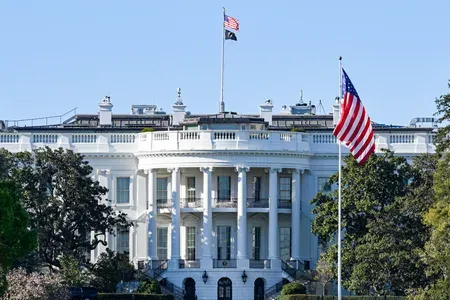
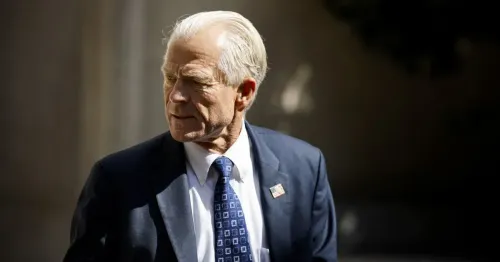
Senior White House adviser Peter Navarro on Friday, 17 July said that allegations of Chinese interference in the 2020 US presidential election would not automatically reshape the Trump administration's broader engagement with Beijing, insisting that election security and US-China policy must be treated as 'separate lanes.' The remarks came a day after President Donald Trump unveiled declassified material he said exposed vulnerabilities in the 2020 election.
Key Developments
Speaking to reporters at the White House, Navarro was asked whether the allegations against Beijing could prompt changes to US trade policy. 'I think they're separate lanes,' he replied. He acknowledged that China had, 'predictably, denied everything,' adding that the core issue was domestic rather than foreign: 'This isn't a story about China. It's about the American refusal at the political level to safeguard our election system.'
Navarro nonetheless argued that the newly released material should prompt serious concern. He alleged that China had accessed voter-related data and metadata ahead of the election, saying such actions — if confirmed — demonstrated 'mal intent in terms of what you might do with that election.' He also claimed the declassified documents revealed internal divisions within the US intelligence community over the extent of Chinese attempts to influence the vote, and said those divisions were not fully conveyed to the President through intelligence briefings.
On Consequences for China
When pressed on why Beijing should not face punitive consequences if interference were proven, Navarro declined to engage. 'That's a serious matter. It's not what I'm going to be talking about today,' he said. He pivoted instead to what he described as the immediate priority: closing gaps in domestic election infrastructure. 'There's holes in our election system that can and will be exploited by bad actors, both foreign and domestic,' he warned.
The Save America Act
Navarro used the briefing to promote President Trump's proposed Save America Act, describing it as legislation that would mandate voter identification, proof of citizenship, and stricter controls on absentee ballots. 'That's why the Save America Act is critical,' he said. 'It's the most reasonable bill in the world. It's ID check. You can bring in an ID. Check whether you're a citizen.'
Xi Visit and What Comes Next
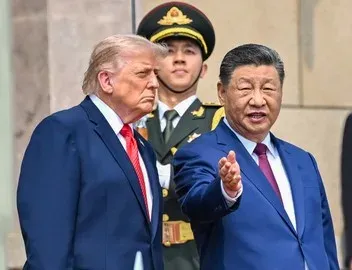
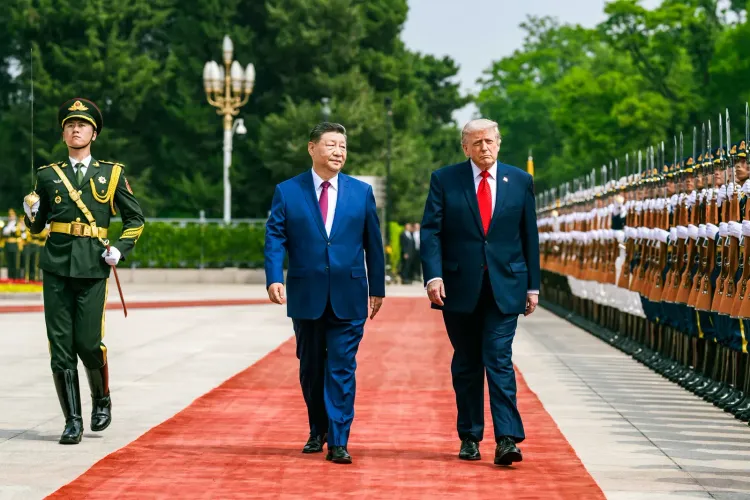
Reporters asked whether the latest allegations should affect Trump's plans to host Chinese President Xi Jinping at the White House during an expected visit later this year. Navarro declined to weigh in, saying the question was 'above my pay grade.' He returned to the administration's stated rationale — that the declassified material was released 'to help the American people understand the vulnerabilities in our election system.' Whether the Xi visit proceeds as planned, and on what terms, remains an open question as Washington navigates competing pressures on its China policy.
Point of View
However, raises a credibility question: if voter data access constitutes 'mal intent,' what threshold actually triggers a policy response? The intelligence community divisions Navarro cited are also notable — if assessments were suppressed or not fully conveyed, that is as much a story about institutional failure in Washington as it is about Chinese conduct. Mainstream coverage has focused on the China angle; the accountability gap inside the US national security apparatus deserves equal scrutiny.
NationPress
16 Oct 2026
Frequently Asked Questions
What did Peter Navarro say about China's alleged interference in the 2020 US election?
Navarro said the allegations of Chinese interference in the 2020 election should not automatically alter US-China policy, describing election security and bilateral relations as 'separate lanes.' He did allege that China accessed voter-related data ahead of the election, calling it evidence of potential 'mal intent.'
Will the China election allegations affect Xi Jinping's planned White House visit?
Navarro declined to say, calling the question 'above my pay grade.' As of 17 July, the Trump administration has not publicly linked the interference allegations to the expected visit by Chinese President Xi Jinping.
What is the Save America Act that Navarro promoted?
The Save America Act is legislation proposed by President Donald Trump that would require voter identification, proof of citizenship, and stricter controls on absentee ballots. Navarro described it as the administration's primary tool for closing what he called 'holes' in the US election system.
What did the declassified documents reportedly reveal about the US intelligence community?
According to Navarro, the newly released documents showed internal divisions within the US intelligence community over whether China attempted to influence the 2020 election. He claimed those differing assessments were not fully conveyed to the President through intelligence briefings.
Why did Navarro decline to discuss consequences for China?
When asked why Beijing should not face punitive measures if interference were proven, Navarro said 'that's a serious matter' but was not what he intended to address that day. He redirected attention to domestic election security reforms rather than foreign policy responses.