Peter Navarro pushes Save America Act after Trump election speech
Synopsis
A day after Trump's nationally televised election address, senior adviser Peter Navarro took the White House briefing room to champion the Save America Act — citing newly declassified claims about Chinese data access, divided intelligence agencies, vulnerable voting machines, and nearly 300,000 alleged illegal voters. The administration insists it is looking forward, not relitigating 2020, but the political battle lines are already drawn.
Key Takeaways
Peter Navarro defended President Trump 's election integrity push at the White House on Friday, 18 July 2025 .
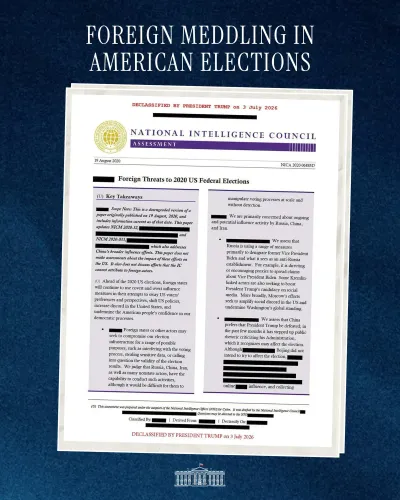
Navarro cited declassified documents alleging China accessed US voter data before the 2020 election — a charge Beijing has denied.
He claimed nearly 300,000 illegal voters were identified by the Department of Homeland Security in a limited number of states.
Navarro promoted the Save America Act , which would require voter ID, proof of citizenship, and tighter absentee ballot controls.
He insisted the administration's focus is on 'protecting future elections,' not relitigating 2020.
Democrats argue the push could undermine confidence in the 2026 midterm elections .
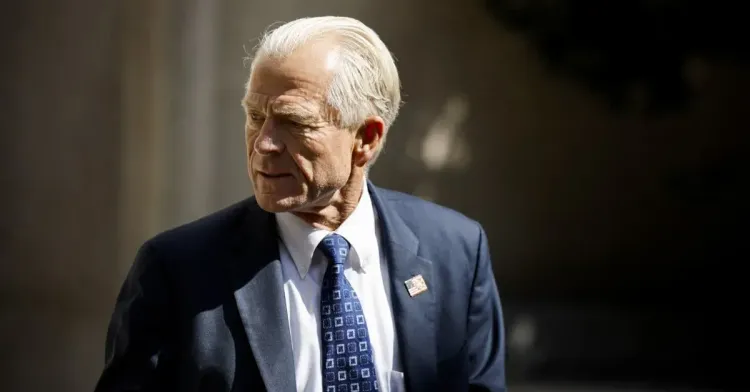
Senior White House trade adviser Peter Navarro on Friday, 18 July 2025, defended President Donald Trump's renewed push on election integrity, arguing that newly declassified documents had deepened public concerns about vulnerabilities in the US electoral system and made the case for Congress to pass the proposed Save America Act. Speaking to reporters at the White House, Navarro framed the administration's drive as forward-looking rather than a reopening of the disputed 2020 presidential election.
What Navarro Said
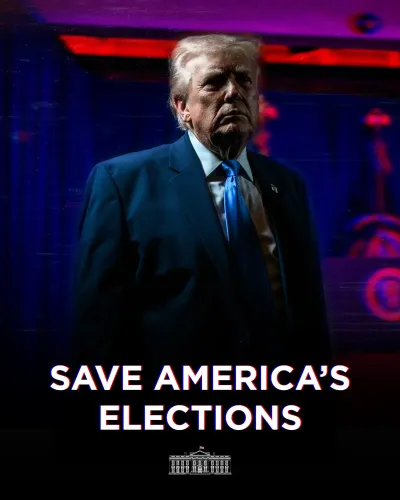
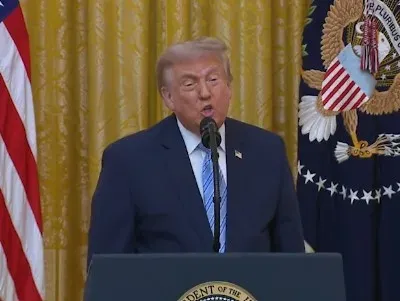
'That's not what last night was about. What last night was about is protecting future elections,' Navarro told reporters, a day after Trump's nationally televised address. He argued that the newly released material had prompted Americans to reassess the integrity of the 2020 contest, raising the question of whether 'the probability that that election was stolen' had increased 'because of what came out.'
Navarro urged journalists to study the declassified documents posted on the White House website before drawing conclusions, saying he was 'astonished that reporters could go out and write authoritative stories... when they literally... didn't have the time to review the documents.'
Four Claims from the Declassified Documents
Navarro outlined what he described as four major concerns emerging from the released material. First, he alleged that China had accessed US voter-related data ahead of the 2020 election, calling it evidence of 'mal intent' — a characterisation Beijing has denied. Second, he criticised what he described as internal divisions within the US intelligence community over China's alleged election activities, saying disagreements were withheld from presidential briefings.
Third, he claimed the documents showed voting machines were 'vulnerable to being used to sway elections' through activity that 'may well be undetectable.' Fourth, he pointed to what he said were nearly 300,000 illegal voters identified by the Department of Homeland Security (DHS) across a limited number of states, arguing even small figures could tip closely contested races.
He also cited an unnamed FBI agent who, according to the documents, allegedly 'bragged about running a shadow government... to keep key intelligence off the desk of the president' — a claim Navarro called 'very chilling.'
The Save America Act
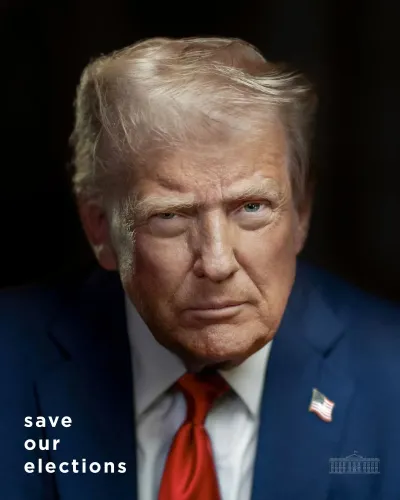
Navarro repeatedly promoted the Save America Act, describing it as legislation that would mandate voter identification, proof of citizenship, and tighter controls on absentee ballots. 'It checks every box needed to ensure the integrity of our election,' he said. Using Georgia as an example, he renewed criticism of changes to absentee voting procedures during the 2020 election, arguing that removing signature verification while expanding absentee voting had weakened safeguards.
Democratic Pushback and the China Question
Democrats have argued that Trump's renewed focus on election integrity could erode confidence in next year's midterm elections. Navarro dismissed those concerns, saying the passage of the Save America Act would give Americans 'more faith in the elections' and make them 'more likely to vote.'
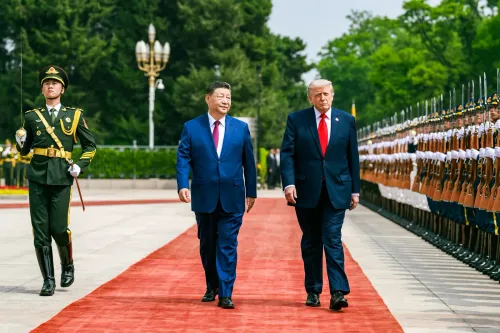
When asked whether the China-related allegations could influence US trade policy, Navarro said the two issues should remain in 'separate lanes,' adding that the core story was 'about the American refusal at the political level to safeguard our election system' rather than about China specifically. This comes amid an already fraught US-China trade relationship, in which Navarro has long been a central figure.
What Comes Next
The administration's push now shifts to Congress, where the Save America Act faces an uncertain legislative path. Critics argue the bill's voter ID and citizenship-proof requirements could disenfranchise eligible voters, while supporters contend they are essential safeguards. Whether the declassified material generates enough political momentum to advance the bill remains to be seen.
Point of View
Making it harder for critics to dismiss the Save America Act as mere election denialism. The four-point declassified dossier — China data access, intelligence splits, vulnerable machines, illegal voters — is designed to give the bill legislative oxygen. But the administration has yet to release independent verification of any of the four claims, and the history of similar election-integrity drives shows they tend to generate more partisan heat than durable policy reform. The real test is whether swing-vote senators see the documents as credible enough to move the bill — or whether the exercise remains a base-mobilisation play ahead of the 2026 midterms.
NationPress
16 Oct 2026
Frequently Asked Questions
What is the Save America Act?
The Save America Act is a proposed US federal law championed by the Trump administration that would require voter identification, proof of citizenship, and stricter controls on absentee ballots. Supporters say it would strengthen election integrity; critics argue its requirements could disenfranchise eligible voters.
What did Peter Navarro claim the declassified documents show?
Navarro said the documents allege four main issues: that China accessed US voter data before the 2020 election, that the US intelligence community was internally divided over China's alleged activities without informing the president, that voting machines are vulnerable to undetectable manipulation, and that nearly 300,000 illegal voters were identified by the Department of Homeland Security. None of these claims have been independently verified.
Is the Trump administration trying to overturn the 2020 election result?
Navarro explicitly said the administration's goal is not to relitigate the 2020 presidential election. 'What last night was about is protecting future elections,' he told reporters, framing the effort as a forward-looking reform push rather than a challenge to the 2020 outcome.
How have Democrats responded to the election integrity push?
Democrats have argued that Trump's renewed emphasis on election integrity could erode public confidence in the 2026 midterm elections. Navarro dismissed those concerns, contending that passage of the Save America Act would increase voter trust and participation.
Could the China allegations affect US-China trade relations?
Navarro said the two issues should remain in 'separate lanes,' arguing the story is fundamentally about American political will to safeguard elections rather than about China. He did not rule out future policy implications but declined to link the allegations directly to trade measures.