CIA files allege China sought Trump's defeat in 2018 and 2020
Synopsis
Trump has released declassified CIA and FBI summaries alleging China ran a sweeping influence operation across social media, business networks, and journalism to ensure his defeat in 2018 and 2020. The documents, reviewed by a White House task force before release, mark the most detailed public assertion yet of CCP-directed electoral interference — though only summaries, not the underlying intelligence, have been made public.
Key Takeaways
President Trump released declassified intelligence records on 17 July alleging China sought to influence the 2018 midterms and 2020 presidential election .
Declassified summaries allege the CCP aimed to 'reduce the US president's votes and make him resign or prevent his re-election' from as early as mid-2018 .
Alleged influence methods include social media platforms , covert influencers, targeting of business leaders , and payments to journalists for negative coverage.
Reported influence themes spanned COVID-19 , racial tensions , gun policy , immigration , and US-China relations , among others.
Only summaries of the underlying intelligence have been released publicly; independent verification of the specific claims remains limited.
The release is part of a broader declassification ordered by Trump, covering foreign interference, election security, and cyber operations.
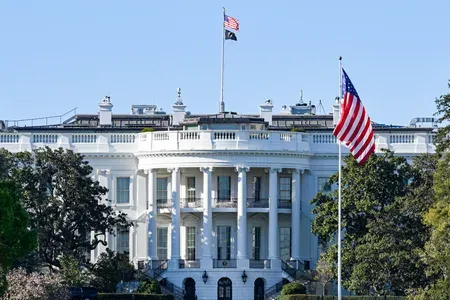
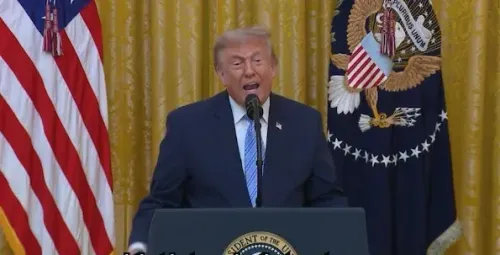
US President Donald Trump on Thursday, 17 July released newly declassified intelligence records from the White House, claiming they demonstrate that China ran a broad political and information campaign to undermine his presidency and influence the outcomes of the 2018 midterm and 2020 presidential elections. The documents, described as CIA assessments and FBI records, allege an extensive Chinese Communist Party (CCP)-directed influence operation targeting American public opinion, business leaders, and journalists.
What the Declassified Records Allege
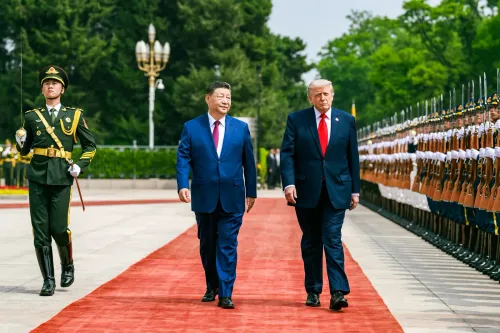
According to the declassified summaries released by the White House, the CCP's policy as early as mid-2018 was, in Trump's words, 'to leverage all domestic and foreign elements that were opposed to the US president in an effort to reduce the US president's votes and make him resign or prevent his re-election.' A separate intelligence assessment cited by Trump reportedly concluded that Beijing was simultaneously working to influence both the 2018 congressional elections and the 2020 presidential race.
The summaries allege that China's strategy was designed to exploit perceived American social and political vulnerabilities. The reported influence themes spanned a wide range of domestic flashpoints, including economic recession, racial tensions, COVID-19, policing, civil-military relations, political divisions, women's rights, immigration, gun policy, and US-China relations.
Methods of Alleged Interference
The declassified documents allege that China had developed the capability to project these influence themes through social media platforms, mainstream media, overt and covert influencers, and media contributors. One option reportedly under consideration involved gathering information on senior US government officials to shape public opinion about them.
Trump further alleged that the intelligence described efforts to use contacts with major American companies to persuade business leaders to oppose his administration. He also claimed the records reported attempts to identify journalists who had written critically about him and pay them to produce additional negative coverage — allegations that, based on the available declassified summaries, have not been independently verified.
Trump's Stated Rationale
'China engaged in other election-related activities to undermine my first administration and our 2020 campaign,' Trump said at the White House. 'They did not want Donald Trump to win.' He attributed Beijing's alleged motivation to his administration's policies — including tariffs on Chinese imports and military expansion — arguing that 'they wanted Donald Trump to lose, and for good reason.'
'The Chinese government's strategy against the United States was focused on undermining domestic confidence in the US president,' Trump said, quoting directly from the documents.
Scope of the Declassification
The newly released material forms part of a broader declassification ordered by Trump, encompassing intelligence assessments, FBI records, and other government documents relating to foreign interference, election security, and cyber operations. Trump said the records had been reviewed by the White House Government Transparency Task Force and senior intelligence officials prior to release. It is worth noting that the White House released summaries of the underlying assessments, not the full classified documents themselves, and independent verification of the specific claims remains limited at this stage.
Context and Significance
The release comes amid ongoing US-China tensions over trade, technology, and Taiwan. Allegations of Chinese election interference are not new — the Office of the Director of National Intelligence (ODNI) has previously assessed foreign influence operations targeting US elections, though the scale and specific targeting described in these summaries, if verified, would represent a significant escalation in documented scope. Critics and independent analysts are likely to scrutinise the timing of the release and the selective nature of the declassification, given that only summaries — rather than underlying source material — have been made public.
Point of View
Not the totality of what the intelligence community assessed. The allegations themselves, if substantiated, would represent the most documented case of CCP electoral interference in US history. But the timing — released by the very administration that claims to have been the target — invites legitimate scrutiny about selective declassification as a political instrument. The broader pattern is consistent: every major power accused of US election interference has denied it, and the evidentiary bar for public accountability has never been clearly defined. Until the underlying assessments are independently reviewed, these summaries are as much a political statement as an intelligence disclosure.
NationPress
15 Oct 2026
Frequently Asked Questions
What do the CIA files released by Trump allege about China?
The declassified summaries allege that China ran a broad influence campaign to undermine Trump's presidency and affect the outcomes of the 2018 midterm and 2020 presidential elections. The documents claim the CCP sought to exploit American social divisions through social media, business networks, and media contacts.
When were these declassified records released and by whom?
US President Donald Trump released the records on 17 July from the White House. He said they had been reviewed by the White House Government Transparency Task Force and senior intelligence officials before being made public.
What methods did China allegedly use to interfere in US elections?
According to the declassified summaries, China allegedly used social media platforms, mainstream media, covert and overt influencers, contacts with American business leaders, and reportedly paid journalists to produce negative coverage of Trump. One option under consideration allegedly involved gathering information on senior US officials to shape public opinion.
Why does the timing of this release matter?
The records were released by the administration that claims to have been the primary target of the alleged interference, raising questions about selective declassification. Only summaries — not the full underlying intelligence — have been made public, limiting independent verification of the specific claims.
Has China previously been accused of US election interference?
Yes. The Office of the Director of National Intelligence has previously assessed foreign influence operations targeting US elections. However, the scope and specific targeting described in these newly released summaries, if verified, would represent a more detailed public assertion of CCP-directed electoral interference than previously documented.