CM Bhupendra Patel Backs Modi's Tree Drive in Gujarat
Synopsis
Gujarat Chief Minister Bhupendra Patel on 17 July 2026 pledged the state's full participation in PM Modi's 'Ek Ped Maa Ke Naam' campaign, crediting Amit Shah's guidance for energising a constituency-level plantation drive aimed at making Gandhinagar a model 'Hariyali Lok Sabha' for the nation.
Key Takeaways
Gujarat CM Bhupendra Patel reaffirmed the state's commitment to PM Modi 's 'Ek Ped Maa Ke Naam' tree plantation campaign on 17 July 2026 .
The drive focuses on making the Gandhinagar Lok Sabha constituency a 'Hariyali Lok Sabha' (Green Lok Sabha) under Union Minister Amit Shah 's guidance.
BJP workers and local citizens have been the primary ground-level mobilisers, drawing an 'enthusiastic response' according to the CM.
The campaign was originally launched by PM Modi on World Environment Day 2024 , encouraging citizens to plant trees in honour of their mothers.
Patel called on all participants to take 'collective responsibility' to nurture every sapling into a full-grown tree, aiming to make Gujarat greener.
The CM stated the Gandhinagar model could serve as an example for similar drives across the entire country.
Gujarat Chief Minister Bhupendra Patel on Friday, 17 July 2026, reaffirmed the state's commitment to Prime Minister Narendra Modi's nature-centric campaign 'Ek Ped Maa Ke Naam' ('One Tree in Mother's Name'), highlighting an enthusiastic public response to a constituency-level plantation drive in Gandhinagar under the guidance of Union Home and Cooperation Minister Amit Shah.
Context
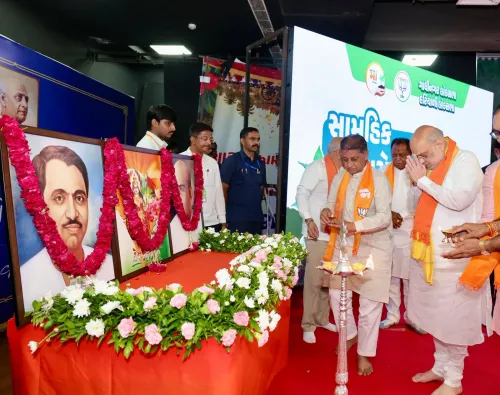
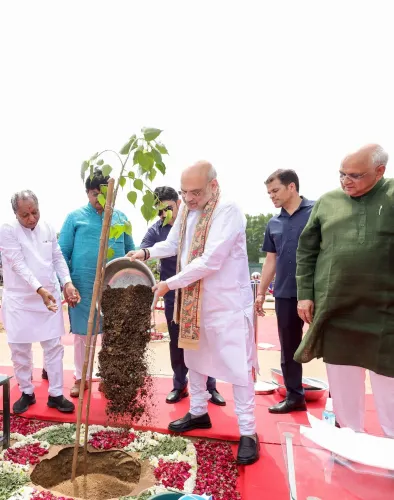
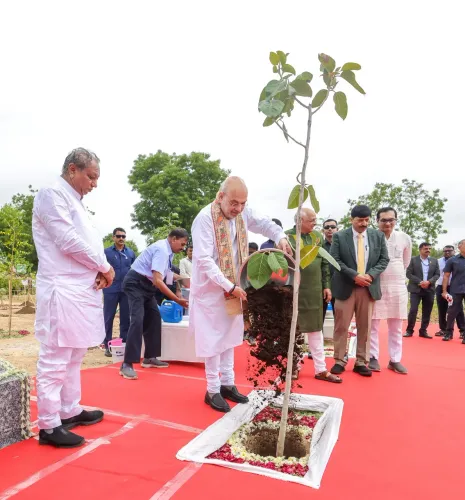
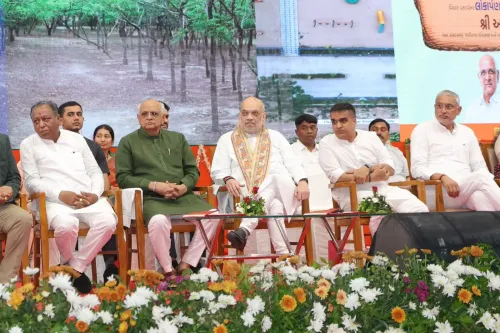
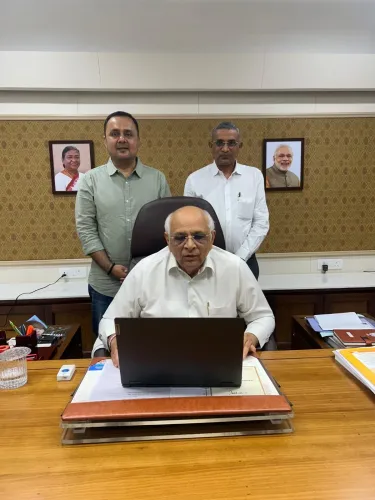
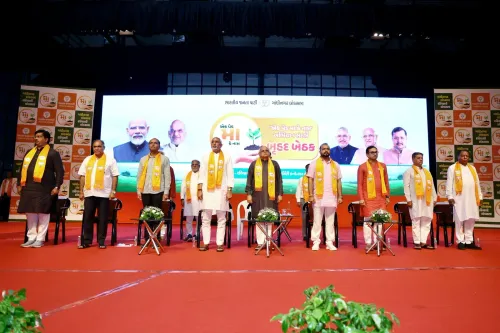
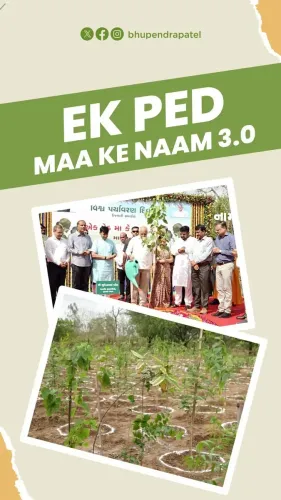
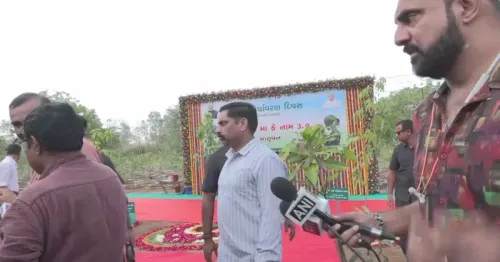
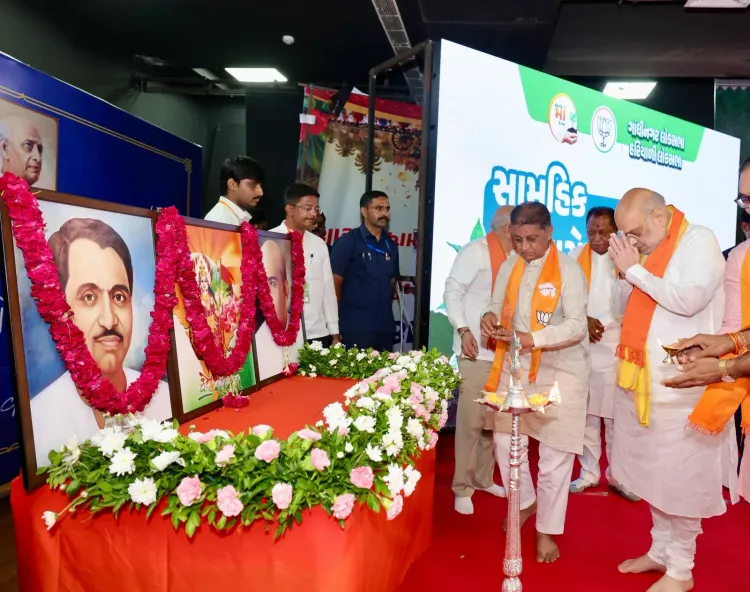
Posting in Gujarati on X, Chief Minister Patel wrote that 'Gujarat katibaddh chhe' — Gujarat is committed — to intensive tree plantation under the campaign. He thanked BJP workers and local citizens for their 'enthusiastic response' in the effort to make the Gandhinagar Lok Sabha constituency a 'Hariyali Lok Sabha' (Green Lok Sabha). The post also carried four images documenting the plantation activity on the ground.
Patel extended special gratitude to Amit Shah — referred to warmly as 'Amitbhai' — for 'continuously inspiring' participants in the drive, and expressed confidence that the 'Hariyali Lok Sabha' resolve would become 'an example for the entire country.'
Policy Backdrop
The 'Ek Ped Maa Ke Naam' campaign was launched by Prime Minister Modi on World Environment Day 2024, urging citizens across India to plant trees in honour of their mothers. The initiative sits within a broader national framework that includes the National Mission for a Green India and seasonal Van Mahotsav plantation programmes that Gujarat has run since the 2010s.
Gandhinagar, the Gujarat capital and the Lok Sabha seat held by Amit Shah, is being positioned as a model constituency for the campaign. The drive is timed to coincide with the 2026 monsoon season, when survival rates for newly planted saplings are highest.
Stakeholders and Impact
BJP party workers and local residents of the Gandhinagar constituency have been the primary mobilisers on the ground, reflecting a pattern in which the central government routes large-scale public drives through party networks at the constituency level. Chief Minister Patel's post signals the state government's institutional backing for the effort, lending it administrative weight beyond a purely party-led exercise.
For ordinary Gujarat residents, the campaign frames tree plantation as a collective civic responsibility. Patel's closing call — 'Chalo, ropela dareka chhodni ghatadar vriksha banavavani samuhik javabdari uthavie' ('Let us take collective responsibility to make every planted sapling a shady tree') — frames environmental action as a community obligation rather than a government directive alone.
What's Next
The Chief Minister's statement signals that Gujarat intends to sustain and expand plantation activity beyond a single event, with a stated goal of making the state 'greener.' If the Gandhinagar model demonstrates measurable green-cover gains, it could be replicated in other Lok Sabha constituencies across the country, as Patel himself suggested.
Sapling survival monitoring through the remainder of the 2026 monsoon will be a practical test of whether the large-scale drive translates into lasting forest and urban-canopy gains — a metric that environmental advocates have consistently flagged as the weak link in India's afforestation campaigns.
Point of View
Making environmental outcomes legible as political deliverables. This approach mirrors the party's broader strategy of converting national campaign goals into constituency-level achievements that can be showcased before elections. The call for 'collective responsibility' also attempts to shift ownership of the drive from the government to citizens, a rhetorical move that helps pre-empt criticism if sapling survival rates fall short.
NationPress
17 Jul 2026
Frequently Asked Questions
What is the 'Ek Ped Maa Ke Naam' campaign?
'Ek Ped Maa Ke Naam' ('One Tree in Mother's Name') is a nationwide tree plantation campaign launched by Prime Minister Narendra Modi on World Environment Day 2024, urging citizens to plant trees in honour of their mothers to boost India's green cover.
What is the 'Hariyali Lok Sabha' initiative in Gandhinagar?
'Hariyali Lok Sabha' is an effort to make the Gandhinagar Lok Sabha constituency a model green constituency through intensive tree plantation drives, carried out under the guidance of Union Home Minister Amit Shah and supported by BJP workers and local residents.
What did Gujarat CM Bhupendra Patel say about the tree plantation drive?
CM Bhupendra Patel stated on 17 July 2026 that Gujarat is fully committed to the 'Ek Ped Maa Ke Naam' campaign, thanked BJP workers and citizens for their enthusiastic participation, and said the Gandhinagar model could become an example for the entire country.
Why is the monsoon season important for tree plantation drives in India?
Monsoon rains provide the moisture needed for newly planted saplings to take root and survive, making the June-to-September season the optimal window for large-scale afforestation drives across India.
How does the Gandhinagar tree plantation drive connect to national climate goals?
The drive is part of India's broader afforestation commitments under schemes like the National Mission for a Green India, which aims to increase the country's forest and tree cover as part of its climate action targets.