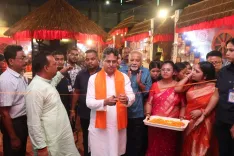
CM Mohan Yadav to Inspect Sleemanabad Water Tunnel in Katni

Synopsis
Madhya Pradesh Chief Minister Dr. Mohan Yadav announced on 17 July 2026 that he will inspect the Sleemanabad water tunnel in Katni — described as India's longest water tunnel — promising irrigation, drinking water and rural economic benefits for the state.
Key Takeaways
Mohan Yadav announced a personal inspection of the Sleemanabad water tunnel in Katni district on 17 July 2026 .
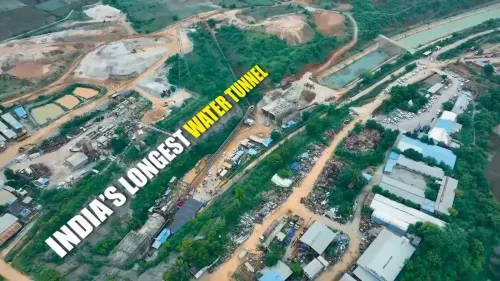
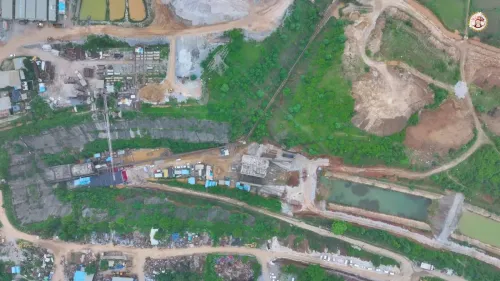
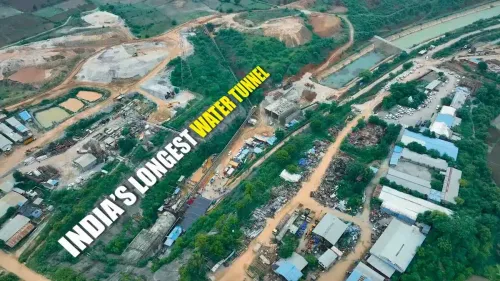
The tunnel is described as the country's longest water tunnel , intended to provide irrigation and drinking water to the region.
Key beneficiaries include farmers of Madhya Pradesh and rural households in Katni and adjoining districts.
The project aligns with the Pradhan Mantri Krishi Sinchayee Yojana (PMKSY) , the central government's flagship irrigation scheme launched in 2015 .
Madhya Pradesh has a track record of large water infrastructure, including the Indira Sagar and Omkareshwar dam systems completed after 2005 .
Progress on commissioning timelines and irrigated-area expansion in Katni will be closely watched following the inspection.
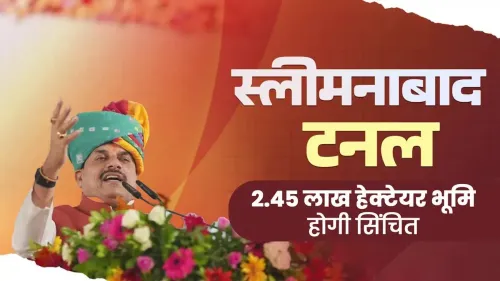
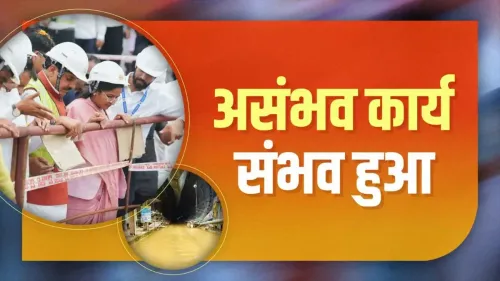
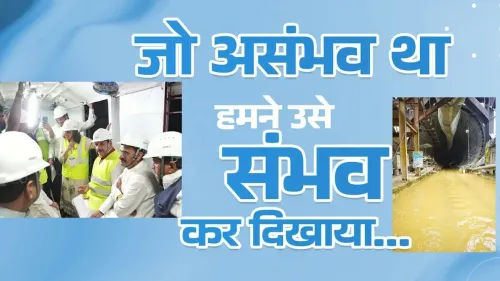
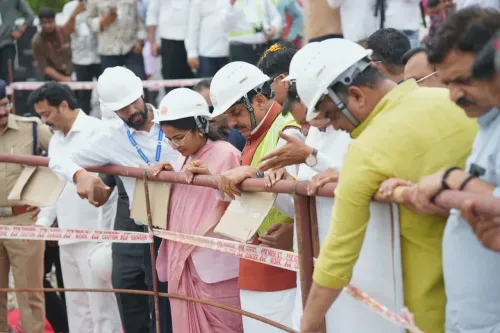
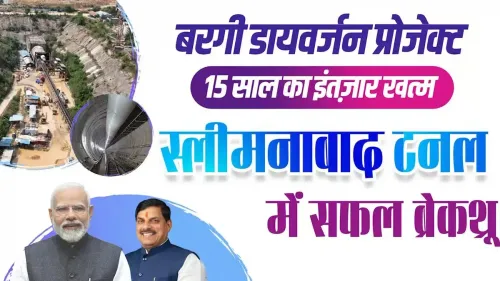
Madhya Pradesh Chief Minister Dr. Mohan Yadav announced on Friday, 17 July 2026 that he will inspect the Sleemanabad water tunnel in Katni district — described as the country's longest water tunnel — calling the project a new golden chapter in the state's development.
In his post, the Chief Minister wrote: 'मध्य प्रदेश के विकास में जुड़ेगा नया स्वर्णिम अध्याय' ('A new golden chapter will be added to Madhya Pradesh's development'), adding that the tunnel will provide irrigation facilities to farmers, strengthen drinking water supply, and give fresh momentum to agriculture and the rural economy.
Context
Katni district, located in eastern Madhya Pradesh, has a predominantly agricultural economy and has been the focus of ongoing water infrastructure works in recent years. The Sleemanabad tunnel is positioned as a flagship water infrastructure asset for the region. Chief Minister Dr. Mohan Yadav, who took office in December 2023, has consistently emphasised large-scale infrastructure projects as drivers of rural growth in the state.
The inspection visit signals that the project has reached a stage where senior political leadership is reviewing its progress ahead of commissioning or inauguration.
Policy Backdrop
Madhya Pradesh has a long record of investing in irrigation tunnels, canals, and lift schemes — particularly to reduce dependence on monsoon rains and raise cropping intensity in its eastern districts. Earlier BJP governments in the state completed major projects including the Indira Sagar and Omkareshwar dam systems in phases after 2005, building a template for large water infrastructure.
At the national level, the Pradhan Mantri Krishi Sinchayee Yojana (PMKSY), launched in 2015, has provided a framework and funding channel for states including Madhya Pradesh to expand irrigation coverage and improve water-use efficiency. State-level tunnel and canal projects often draw on this scheme's implementation architecture.
Stakeholders and Impact
The primary beneficiaries identified by Dr. Mohan Yadav are farmers of Madhya Pradesh who stand to gain assured irrigation access, reducing crop losses from erratic rainfall. Rural households in Katni and adjoining districts are also expected to benefit from strengthened drinking water supply once the tunnel becomes operational.
Improved irrigation infrastructure typically supports higher cropping intensity — allowing farmers to cultivate a second or third crop in a year — which directly lifts rural household incomes and local agricultural trade. A more reliable water supply also reduces the burden on women and girls who often bear the responsibility of fetching water in rural areas.
What's Next
The Chief Minister's inspection on 17 July 2026 is expected to yield a public progress update on the tunnel's construction and commissioning timeline. Observers will watch for announcements on the measured increase in irrigated area and the number of drinking-water connections to be created in Katni and neighbouring districts.
If the tunnel advances to formal inauguration, it would likely be positioned as a centrepiece of the state government's water security and agricultural development agenda in the run-up to future electoral cycles in Madhya Pradesh.
Point of View
Making this project politically as well as developmentally significant. The inspection visit also sets the stage for a high-profile inauguration that the ruling party can leverage as proof of governance in a state it has held for most of the past two decades.
NationPress
16 Oct 2026
Frequently Asked Questions
What is the Sleemanabad water tunnel in Madhya Pradesh?
The Sleemanabad water tunnel is a water infrastructure project in Katni district, eastern Madhya Pradesh, described by Chief Minister Dr. Mohan Yadav as the country's longest water tunnel, designed to provide irrigation to farmers and strengthen drinking water supply in the region.
Why is CM Mohan Yadav visiting Katni on 17 July 2026?
CM Dr. Mohan Yadav announced he will inspect the Sleemanabad water tunnel in Katni on 17 July 2026 to review the project's progress, ahead of what is expected to be a commissioning or inauguration announcement.
How will the Sleemanabad tunnel benefit farmers in Madhya Pradesh?
The tunnel is intended to deliver assured irrigation water to farmers in Katni and surrounding districts, reducing dependence on monsoon rains, enabling multiple cropping cycles per year, and boosting rural incomes.
Is the Sleemanabad tunnel linked to a central government scheme?
Madhya Pradesh's irrigation tunnel projects, including Sleemanabad, fall within the framework of the Pradhan Mantri Krishi Sinchayee Yojana (PMKSY), the central scheme launched in 2015 to expand irrigation coverage and water-use efficiency across states.
What is Katni district known for in Madhya Pradesh?
Katni is a district in eastern Madhya Pradesh with a predominantly agricultural economy. It has been a focus of ongoing water infrastructure development aimed at improving irrigation and drinking water access for rural communities.