CM Mohan Yadav Highlights Sleemanabad Tunnel for MP Farmers
Synopsis
MP Chief Minister Dr. Mohan Yadav on 22 July 2026 highlighted the Sleemanabad Tunnel as a model of water resource management and irrigation expansion, saying the project will bring prosperity to millions of farmers and residents across the region.
Key Takeaways
Madhya Pradesh CM Dr.
Mohan Yadav publicly highlighted the Sleemanabad Tunnel on 22 July 2026 as a landmark water infrastructure project.
The tunnel is described by the state government as a tool for water resource management and irrigation capacity expansion .
The project is intended to benefit millions of farmers and rural residents in the region it serves.
The initiative aligns with the central government's Pradhan Mantri Krishi Sinchayee Yojana , launched in 2015 .
Madhya Pradesh has a large agrarian economy where reliable irrigation is a long-standing developmental and political priority.
Operational data on irrigated area and crop productivity will be the key metric for the project's real-world impact.
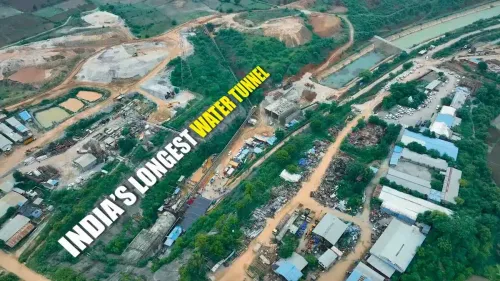
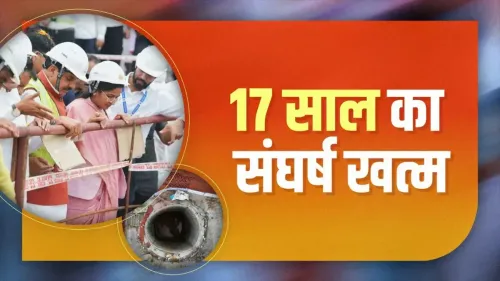
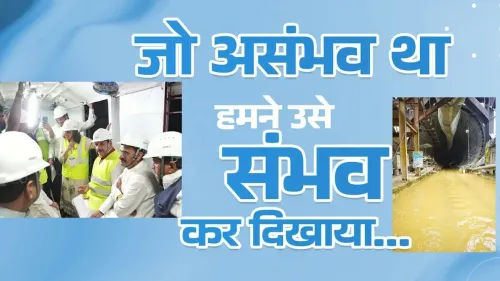
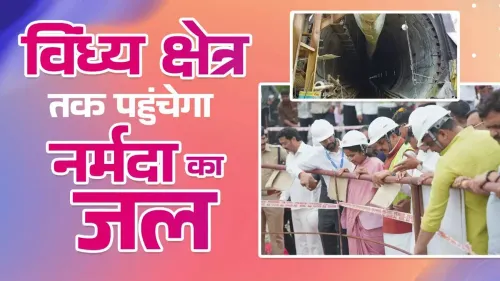
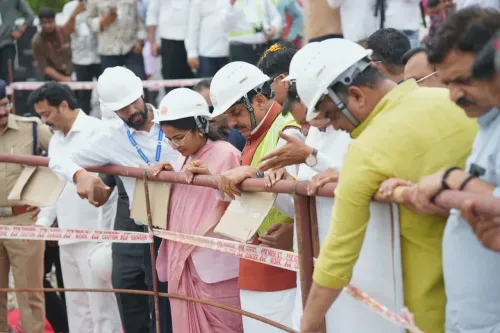
Madhya Pradesh Chief Minister Dr. Mohan Yadav on Wednesday, 22 July 2026, highlighted the Sleemanabad Tunnel as a landmark achievement in water resource management and irrigation expansion, describing it as a foundation of prosperity for millions of farmers and residents of the region.
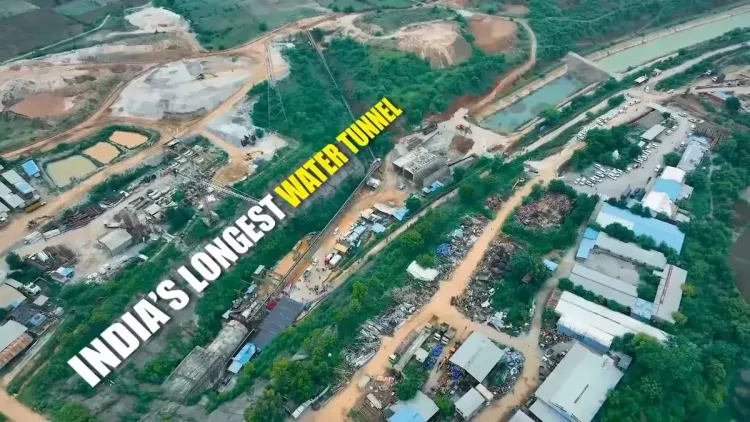
In his post, Dr. Yadav wrote: 'देश की सबसे लंबी जल-सुरंग स्लीमनाबाद टनल, जल संसाधन प्रबंधन और सिंचाई क्षमता विस्तार का सशक्त उदाहरण है।' ('The Sleemanabad Tunnel, the country's longest water tunnel, is a strong example of water resource management and expansion of irrigation capacity.') He added that the project 'will become the foundation of prosperity in the lives of millions of farmers and residents of the region.'
Context
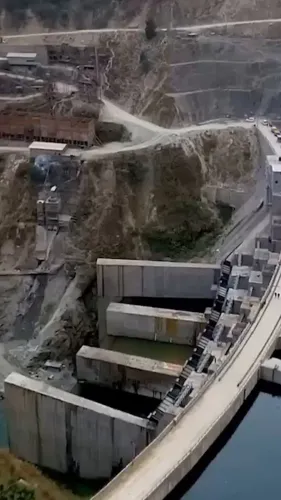
The Sleemanabad Tunnel is a major water infrastructure project in Madhya Pradesh, positioned by the state government as a significant step in securing irrigation supply for an agrarian economy heavily dependent on monsoon patterns. Dr. Yadav, who assumed office in December 2023, has consistently prioritised infrastructure and agriculture as twin pillars of his administration's agenda.
Madhya Pradesh has one of the largest farming populations in central India, making reliable irrigation a perennial political and developmental priority for successive governments in the state.
Policy Backdrop
The project aligns with the Pradhan Mantri Krishi Sinchayee Yojana (PMKSY), launched in 2015, which aims to accelerate irrigation coverage and improve water-use efficiency across India. The scheme has provided a framework under which states have pursued capital-intensive water infrastructure, including tunnels and inter-basin transfer networks.
Indian states have increasingly turned to long water tunnels and diversion projects to stabilise irrigation in rain-fed regions where surface canal networks fall short. The Sleemanabad project fits squarely within this national pattern of investing in large-scale hydraulic infrastructure to reduce agricultural vulnerability to erratic rainfall.
Stakeholders and Impact
The primary beneficiaries of the tunnel are farmers and rural communities in the districts it serves, who stand to gain more reliable access to irrigation water across cropping seasons. Stable water supply is widely associated with improved crop yields, reduced distress migration, and stronger rural incomes in central Indian agricultural belts.
State officials and BJP leadership in Madhya Pradesh have framed such infrastructure investments as evidence of governance delivery ahead of future electoral cycles, making the project politically significant beyond its engineering scale.
What's Next
Attention will now turn to operational milestones: how many hectares of farmland the tunnel brings under assured irrigation, and whether follow-up state budget allocations are made for linked canal and distribution networks that connect the tunnel to individual fields.
Crop productivity data from commissioned areas will serve as the clearest measure of whether the project delivers on the prosperity it promises. Any announcement of formal inauguration or commissioning ceremonies by the Chief Minister is also expected to follow.
Point of View
A constituency that has shaped electoral outcomes in Madhya Pradesh for decades. By invoking water security and rural prosperity in the same breath, the Chief Minister is connecting a state-level engineering project to a much larger national narrative around agricultural modernisation and irrigation-led growth. The post also signals that the Yadav administration is preparing to build a governance track record ahead of future electoral cycles, using capital-intensive projects as proof points. Whether the tunnel's benefits translate to measurable income gains for farmers will ultimately determine whether the political dividend matches the rhetorical investment.
NationPress
20 Oct 2026
Frequently Asked Questions
What is the Sleemanabad Tunnel in Madhya Pradesh?
The Sleemanabad Tunnel is a major water infrastructure project in Madhya Pradesh, described by the state government as a significant water tunnel aimed at expanding irrigation capacity and improving water resource management for farmers in the region.
Why did CM Mohan Yadav highlight the Sleemanabad Tunnel?
Chief Minister Dr. Mohan Yadav highlighted the tunnel on 22 July 2026 to underscore his government's focus on irrigation infrastructure, framing the project as a foundation of prosperity for millions of farmers and rural residents in Madhya Pradesh.
How does the Sleemanabad Tunnel benefit farmers?
The tunnel is designed to provide more reliable irrigation water to farming communities, which can stabilise crop yields, reduce dependence on monsoon rainfall, and improve rural incomes in the agrarian districts it serves.
Is the Sleemanabad Tunnel connected to any central government scheme?
The project aligns with the Pradhan Mantri Krishi Sinchayee Yojana (PMKSY), a central government initiative launched in 2015 to accelerate irrigation coverage and water-use efficiency across India.
What will determine the success of the Sleemanabad Tunnel project?
The key indicators will be operational data on how much farmland comes under assured irrigation, improvements in crop productivity, and whether the state allocates follow-up funds for the canal and distribution networks that connect the tunnel to individual fields.