China used ChatGPT to target US AI and tariff debates, OpenAI report finds

Synopsis
OpenAI's June 2026 threat report caught China-linked operators using ChatGPT itself to seed anti-AI-infrastructure narratives and anti-tariff cartoons into US public debate — while deliberately erasing Xi Jinping from the frame and putting Trump front and centre. The campaigns flopped on reach, but the playbook they reveal is the real story.
Key Takeaways
OpenAI banned two clusters of China-linked ChatGPT accounts identified in its June 2026 threat report.
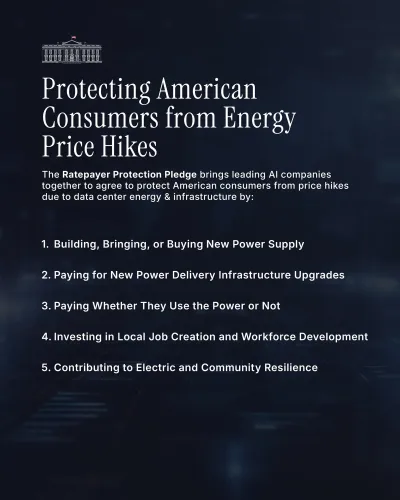
The 'Data Centre Bandwagon' campaign spread claims that AI data centres were raising electricity prices for Americans.
The 'Tech and Tariffs' campaign produced cartoons criticising US tariffs ; operators instructed the AI to depict President Trump but not President Xi Jinping .
The same networks spread false claims that ChatGPT user data had been compromised — allegations OpenAI called 'entirely false.' Both campaigns received 'no authentic engagement' , according to OpenAI 's own assessment.
John Moolenaar , Chair of the House Select Committee on the Chinese Communist Party , pledged continued investigation into foreign influence in the data centre debate.
OpenAI has disclosed that China-linked actors used ChatGPT to generate content designed to influence domestic US debates over artificial intelligence infrastructure and tariffs, prompting a bipartisan congressional leader to warn that Beijing is systematically exploiting America's open political system. The findings, detailed in OpenAI's June 2026 threat report, led the company to ban two clusters of ChatGPT accounts believed to have originated in China.
Two Campaigns, Two Narratives
The first operation, which OpenAI labelled the 'Data Centre Bandwagon' campaign, generated social media comments and images claiming that AI data centres were driving up electricity prices for ordinary Americans. The content was distributed through accounts described as likely inauthentic and sought to amplify public anxiety over rising energy costs tied to AI expansion.
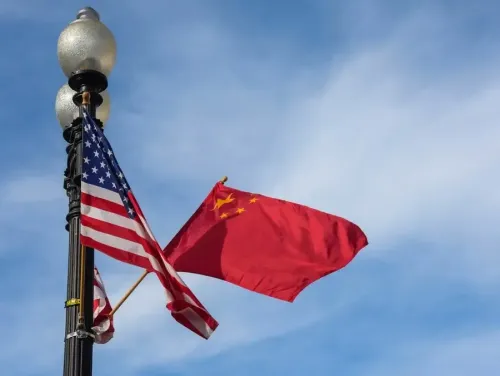
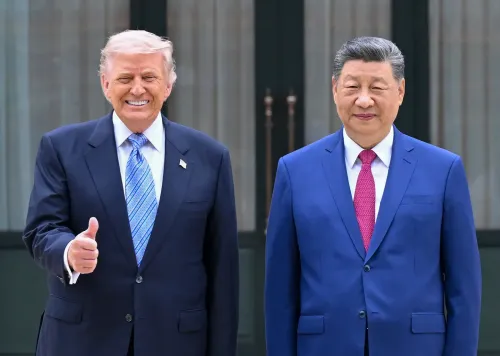
The second, called the 'Tech and Tariffs' campaign, produced comments and political cartoons criticising US tariffs and portraying Washington as pursuing technological dominance. Notably, operators reportedly instructed the system to depict only President Donald Trump and to avoid any reference to Chinese President Xi Jinping — a detail that underscores the operation's intent to frame the narrative as a domestic American controversy rather than a geopolitical dispute.
False Claims About ChatGPT Data
The same networks also reportedly spread fabricated claims that ChatGPT user data had been compromised. OpenAI flatly rejected those allegations, stating: 'These allegations were entirely false.' The company said the disinformation appeared designed to erode public trust in US AI platforms at a moment of intense competition with China.
Limited Reach, But a Warning Signal
OpenAI assessed that both campaigns had minimal real-world impact, concluding that the social media content received 'no authentic engagement' and that there was 'no evidence of meaningful breakout beyond its own activity.' However, the company cautioned that the operations' significance lay in the narratives being stress-tested — specifically, the attempt to connect US technology policy with economic anxieties and to insert foreign actors into live domestic debates over AI, energy costs, and technological competition.
Congressional Response
Rep. John Moolenaar, Chairman of the House Select Committee on the Chinese Communist Party, said the disclosures confirmed a pattern of behaviour by Beijing. 'The Chinese Communist Party exploits our openness and works to divide Americans through its United Front organisations and other entities,' he said. Moolenaar added that China's state-run media had published English-language articles 'overtly attempting to divide Americans on the construction of data centres,' while other elements were pursuing 'more disguised methods.'
Moolenaar confirmed his committee would continue investigating potential Chinese malign influence in the data centre debate, urging Americans engaged in these discussions to 'treat one another with respect.'
Broader Context: The US-China AI Race
The revelations arrive as US-China competition over artificial intelligence intensifies across infrastructure, advanced computing, and next-generation technologies — all increasingly viewed as central to both economic growth and national security. This is not the first time foreign actors have been accused of weaponising AI tools for influence operations, but the use of a leading American AI platform against its own country's policy debates marks a pointed escalation in tactics.
Point of View
The operation was designed to be indistinguishable from domestic dissent. OpenAI's disclosure is commendable, but it also raises an uncomfortable question: how many lower-profile iterations went undetected? As the US-China AI race accelerates, the information battleground is no longer separate from the technology battleground — it runs on the same models.
NationPress
21 Sept 2026
Frequently Asked Questions
What did OpenAI's June 2026 threat report reveal about China?
OpenAI's June 2026 threat report found that China-linked actors used ChatGPT accounts to run two covert influence operations targeting US domestic debates over AI infrastructure and tariffs. The company banned the accounts and assessed that both campaigns had negligible real-world impact.
What were the 'Data Centre Bandwagon' and 'Tech and Tariffs' campaigns?
The 'Data Centre Bandwagon' campaign generated social media content claiming AI data centres were raising electricity prices for Americans. The 'Tech and Tariffs' campaign produced cartoons and comments criticising US tariffs and portraying Washington as seeking technological dominance, while deliberately avoiding any depiction of Chinese President Xi Jinping.
Did the Chinese influence campaigns actually work?
According to OpenAI, the campaigns received 'no authentic engagement' and there was 'no evidence of meaningful breakout beyond its own activity.' However, OpenAI warned the significance lay in the narratives being tested, not the immediate reach.
Who is Rep. John Moolenaar and why is he involved?
Rep. John Moolenaar is the Chairman of the House Select Committee on the Chinese Communist Party. He cited the OpenAI findings as evidence that Beijing systematically exploits America's open political system and pledged his committee would continue investigating Chinese influence in the data centre debate.
Why does this matter for the broader US-China AI competition?
Both the United States and China are investing heavily in AI infrastructure, advanced computing, and next-generation technologies viewed as critical to national security and economic growth. The use of a leading US AI platform to target US domestic policy debates represents a new front in that rivalry, blurring the line between technology competition and information warfare.