Trump dismisses China data centre threat fears amid stable US-China ties
Synopsis
Trump flatly dismissed fears that China is bankrolling opposition to US data centre projects — and in the same breath claimed America is 'leading China by a lot' in AI. The remarks reveal a White House that sees the US-China tech rivalry as winnable on energy terms, not just chip restrictions, and is willing to downplay influence-campaign risks to keep that narrative intact.
Key Takeaways
President Trump said he is 'not worried' about China funding opposition to data centre projects in the US, speaking at the White House on Thursday .
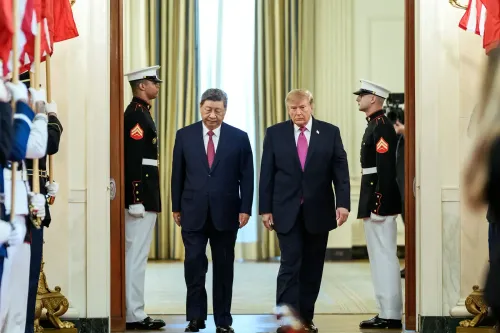
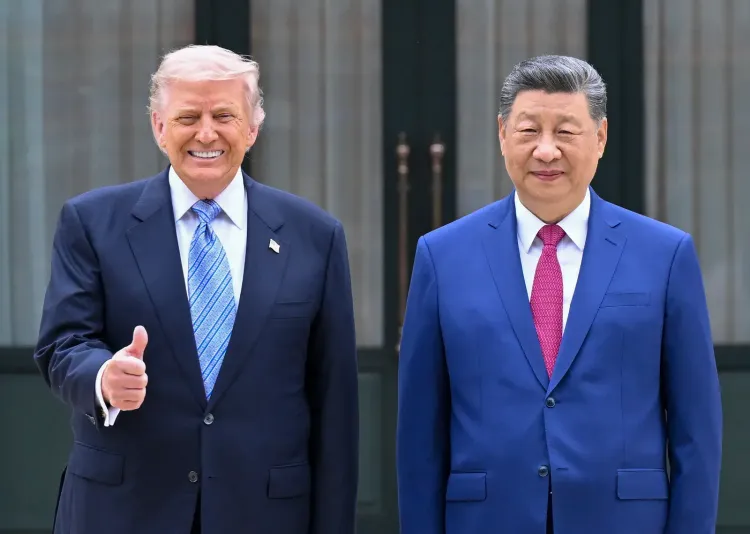
Trump cited a recent diplomatic meeting with China, saying US-China relations remain stable.
He claimed the US is 'leading China by a lot' in artificial intelligence , a point he said he raised directly with President Xi Jinping .
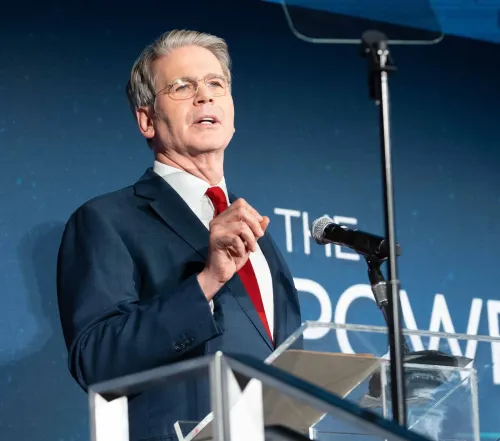
EPA Administrator Lee Zeldin was praised for speeding up regulatory approvals for energy and AI infrastructure projects.
Trump defended coal use, claiming China built 52 coal plants last year, while exporting renewables abroad.
The administration's policy now allows AI companies to build dedicated power generation alongside data centre facilities.
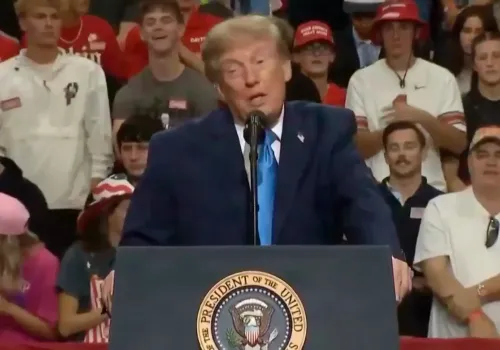
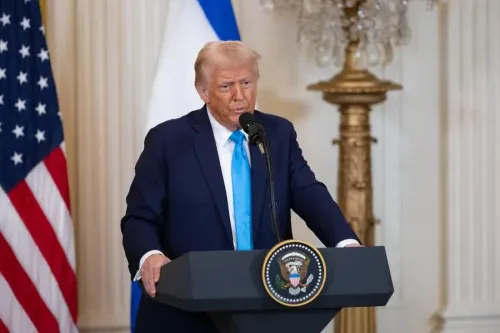
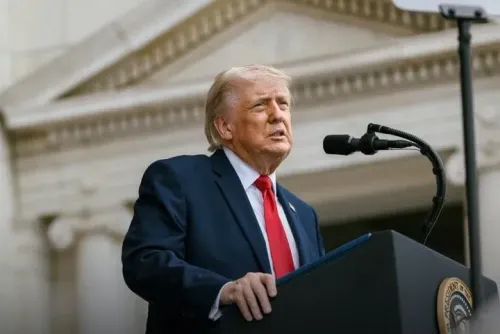
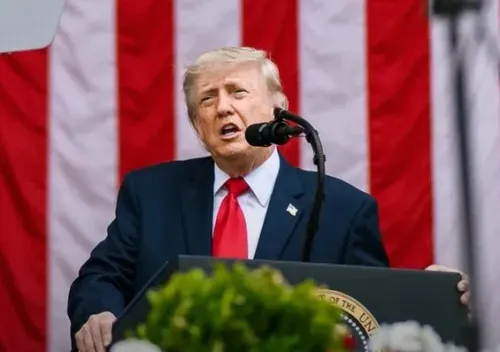
US President Donald Trump on Thursday downplayed concerns that China may be funding opposition to data centre projects across the United States, saying he was not worried about Beijing-backed influence campaigns targeting American technology infrastructure. The remarks, made at the White House, came as the administration emphasised energy and artificial intelligence as pillars of US economic competitiveness.
Trump Dismisses China Influence Concerns
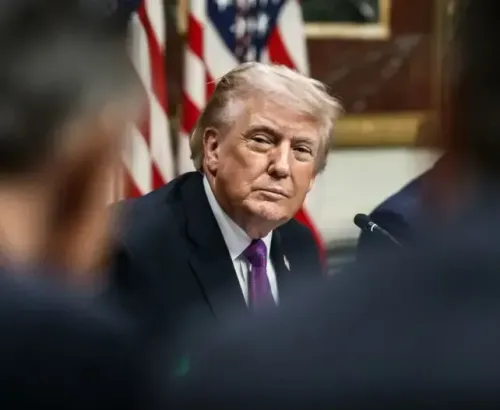
When asked directly whether he was concerned that China was financing an anti-data centre movement in the US, Trump was unequivocal. 'No, I'm not worried about it,' he said. He pointed instead to recent diplomatic engagement, stating: 'We had a great meeting with China. And you know, they do things to us, and we do things to them.'
Trump also brushed aside espionage and surveillance concerns, drawing a symmetry between the two powers. 'They say, oh, are you worried about China tapping your phones? I said, well, you know, they're worried about the same thing,' he said. The framing reflects a broader pattern in Trump's approach to US-China tensions — acknowledging rivalry while resisting alarmist characterisations.
AI Leadership and the Energy Equation
Central to Trump's remarks was the argument that energy access will determine the winner of the global artificial intelligence race. 'AI is a big deal,' Trump said. 'Without massive amounts of energy, you can't even play the game.' He claimed the US currently holds a significant lead over China in AI development, adding that he had discussed the matter directly with President Xi Jinping.
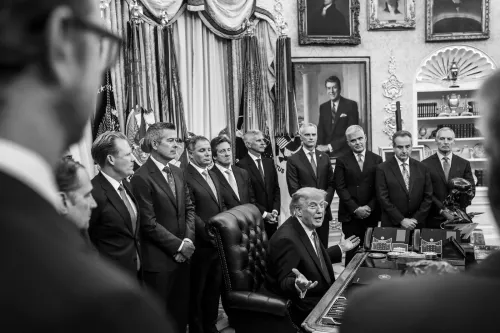
Trump said one of his administration's defining policy moves has been accelerating approvals for large-scale energy and infrastructure projects tied to AI. He praised Environmental Protection Agency (EPA) Administrator Lee Zeldin for expediting regulatory reviews, and noted that companies building advanced AI facilities are now permitted to construct dedicated power generation capacity alongside their projects.
'One of the biggest things we've done,' Trump said, 'is we let these geniuses with all this money build their own electric plant.' The policy, he argued, prevents large AI data centres from overwhelming existing electricity grids.
Coal Defence and China Comparison
China featured prominently in Trump's defence of his administration's support for coal production and coal-fired power generation. 'If you look at China, if you look at so many of the successful countries, they're using coal,' he said. Trump also claimed that China built 52 coal plants last year, even as it exports renewable-energy technologies abroad — a claim he used to justify continued US investment in domestic coal infrastructure.
The Broader US-China Technology Rivalry
US-China relations remain contested across trade, technology, military influence, and supply chains. Artificial intelligence has emerged as one of the most consequential fronts in that competition, with both governments committing heavily to computing infrastructure, semiconductor development, and the energy resources required to power next-generation AI systems. This comes amid ongoing US restrictions on advanced chip exports to China and Beijing's parallel push to develop indigenous semiconductor capacity.
Whether Trump's measured tone on Chinese influence campaigns signals a deliberate diplomatic posture or a genuine reassessment of the threat will likely become clearer as the administration's technology and energy policies take shape in the months ahead.
Point of View
Which has consistently flagged Beijing-linked disinformation and lobbying operations as real and active. The symmetry argument — 'they're worried about the same thing' — is a rhetorical deflection, not a strategic rebuttal. More revealing is the energy-first framing of the AI race: the administration is betting that deregulated power capacity, including coal, is the decisive variable. That is a contestable thesis at a time when chip design and algorithmic talent, not just megawatts, are driving the frontier. The gap between Trump's optimism and the structural vulnerabilities in US semiconductor supply chains remains the story mainstream coverage is underplaying.
NationPress
22 Oct 2026
Frequently Asked Questions
What did Trump say about China funding opposition to US data centres?
Trump said he was 'not worried' about China backing opposition to data centre projects in the United States. Speaking at the White House on Thursday, he pointed to recent diplomatic talks as evidence that US-China relations remain stable.
Why does Trump say the US is leading China in AI?
Trump claimed the US is 'leading China by a lot' in artificial intelligence, citing the country's energy capacity and infrastructure approvals as key advantages. He said he discussed the matter directly with President Xi Jinping, though he did not provide specific metrics.
What is the Trump administration's policy on energy for AI data centres?
The administration has allowed companies building large AI facilities to construct their own dedicated power generation capacity alongside those projects. Trump credited EPA Administrator Lee Zeldin for accelerating regulatory approvals to support this policy.
Why did Trump bring up China's coal plants?
Trump referenced China's reported construction of 52 coal plants last year to defend his administration's support for domestic coal production and coal-fired power. He argued that major economies, including China, continue to rely on coal despite promoting renewables abroad.
How does this fit into the broader US-China technology rivalry?
Artificial intelligence has become one of the most contested fronts in US-China competition, alongside trade, semiconductors, and military influence. Both governments are investing heavily in computing infrastructure and energy resources to power next-generation AI systems, with the US having imposed restrictions on advanced chip exports to China.