US voter databases vulnerable to foreign cyber attacks, Trump warns

Synopsis
Declassified US intelligence reveals hackers have successfully breached voter registration systems in at least 20 states over the past decade, with Russia, China, Iran, and North Korea all identified as capable threats. The Trump administration's warning — timed ahead of midterm elections — marks a rare official acknowledgement of the scale of election infrastructure exposure, even as the report stops short of saying any breach changed a presidential result.
Key Takeaways
The Trump administration released declassified cybersecurity assessments on 17 July warning of foreign threats to US voter registration databases .
A DHS report found hacking attempts across all 50 US states over the past decade, with confirmed breaches in at least 20 states .
Adversaries identified include Russia , China , Iran , and North Korea , as well as non-state cyber actors.
Stolen voter data could reportedly be used to request fraudulent absentee ballots, delete registrations, or redirect voters — and can remain useful for years.
The DHS has recommended offline database backups, multi-factor authentication, and network segmentation as immediate remedies.
The report does not conclude that any cyber intrusion altered the outcome of a US presidential election.
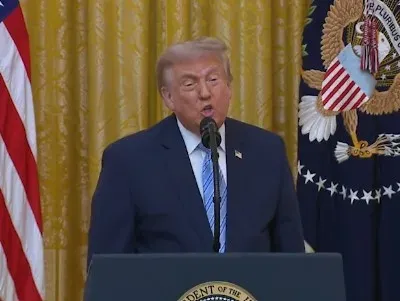
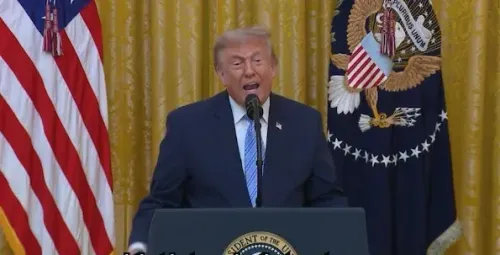
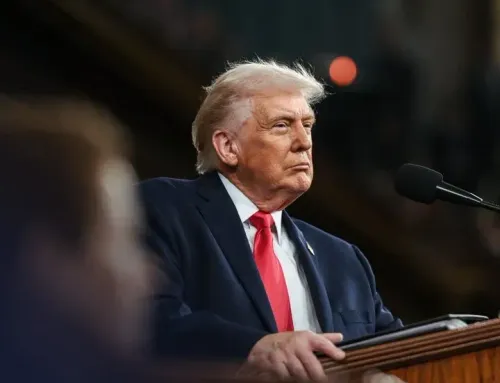
The Trump administration on 17 July released newly declassified intelligence and cybersecurity assessments confirming that America's voter registration databases remain exposed to foreign cyber attacks, warning that stolen election data could be weaponised long after it is first compromised. The disclosures followed a formal address by President Donald Trump on election security.
Key Findings From the Declassified Reports
According to a Department of Homeland Security (DHS) report released by the White House, hackers have attempted to penetrate voter registration systems across all 50 US states over the past decade, with confirmed successful breaches recorded in at least 20 states. The report characterises statewide voter registration databases as among the most attractive targets for foreign intelligence services and cyber actors seeking to disrupt elections or erode public confidence in democratic institutions.
The assessment traces a documented pattern of intrusions since 2016, citing Russian attempts to probe voter registration systems, Iranian efforts to obtain voter data, and suspected Chinese cyber activity targeting election-related networks and publicly available voter records.
What Stolen Voter Data Could Enable
The DHS report outlines a range of potential harms stemming from compromised voter information. Stolen data could reportedly be used to request fraudulent absentee ballots, alter or delete voter registration records, and redirect voters to incorrect polling locations. Critically, the report notes that much of the personal information used to verify voter identity does not change over time, meaning a single breach could remain operationally useful for years.
The assessment also flags an indirect risk: large-scale data breaches at private sector entities — including financial institutions, healthcare providers, and credit reporting agencies — could compound election security vulnerabilities, since the same personal data is widely used to authenticate voter identities and process absentee ballot requests.
What the President Said
'As one assessment states, we judge that the United States adversaries, including at a minimum Russia, China, Iran, North Korea, as well as non-state groups, have the capability to compromise US election infrastructure,' President Trump said during his address. He identified voter registration databases, electronic poll books, and official election websites as the systems most vulnerable to exploitation.
Trump added that his administration had begun notifying governors, members of Congress, and state election officials in jurisdictions identified as potentially affected by cyber vulnerabilities.
Recommended Defences and Next Steps
The DHS report recommends a suite of protective measures for state and local election authorities, including routine offline backups of voter databases, broader deployment of multi-factor authentication, improved network segmentation, stronger monitoring of internet-facing systems, and comprehensive incident-response planning.
Trump said the Department of Homeland Security would work directly with states to address known technical weaknesses ahead of next year's midterm elections. Notably, the report stops short of concluding that any cyber intrusion altered the outcome of a US presidential election — it frames the issue instead as an escalating national security priority as foreign governments expand their offensive cyber capabilities.
Point of View
Ahead of midterm elections, will draw scrutiny regardless of the underlying intelligence's validity. What is striking is the admission that breaches have occurred in at least 20 states over a decade, a fact that cuts across administrations and implicates federal oversight failures long predating Trump. The report's careful refusal to say any breach changed an election outcome is legally and politically significant, but it does not diminish the structural vulnerability it documents. The real accountability question is why, nearly a decade after 2016, voter registration infrastructure in the world's most powerful democracy still lacks mandatory federal cybersecurity baselines.
NationPress
15 Oct 2026
Frequently Asked Questions
What did the declassified US election security report find?
The report, released by the White House on 17 July, found that hackers have attempted to breach voter registration systems in all 50 US states over the past decade, with confirmed successful compromises in at least 20 states. It identifies foreign adversaries including Russia, China, Iran, and North Korea as capable of targeting US election infrastructure.
Can stolen voter data change election results?
The DHS report does not conclude that any cyber intrusion has altered the outcome of a US presidential election. However, it warns that stolen voter data could be used to request fraudulent absentee ballots, delete voter registrations, or redirect voters, and that such data can remain operationally useful for years.
Which foreign countries are named as election cyber threats?
The declassified assessment names Russia, China, Iran, and North Korea, as well as non-state cyber groups, as adversaries with the capability to compromise US election infrastructure. Russian probing of voter databases, Iranian data-gathering efforts, and suspected Chinese targeting of election networks have all been documented since 2016.
What cybersecurity measures has the US government recommended?
The DHS report recommends routine offline backups of voter databases, wider use of multi-factor authentication, improved network segmentation, stronger monitoring of internet-facing systems, and comprehensive incident-response planning for state and local election authorities.
What happens next following Trump's election security address?
President Trump said the Department of Homeland Security will work with states to fix known technical vulnerabilities before next year's midterm elections. Governors, members of Congress, and state election officials in affected jurisdictions have reportedly already been notified.