China hacked 220 million US voter records, White House declassifies
Synopsis
The White House has declassified intelligence asserting China and its proxies acquired voter registration records of up to 220 million Americans — including non-public data. With CIA, NSA, ODNI, and DHS sign-off, this is the most formally attributed US government claim yet of Chinese intrusion into electoral infrastructure, and it arrives alongside a new official definition of ‘election interference’ that squarely covers such conduct.
Key Takeaways
The White House released a declassified fact sheet on 31 July 2026 asserting China and its proxies acquired voter registration data of up to 220 million Americans .
The data obtained reportedly included non-publicly available information, acquired through buying, stealing, or hacking.
Intelligence Community documents from 2022 identified a Chinese CNE actor as having accessed voter data stored on commercial websites.
The fact sheet was approved by the directors of ODNI , NSA , CIA , and DHS .
Agencies warned adversaries could use such data to alter voter rolls , disrupt election day, or target voters with tailored influence operations.
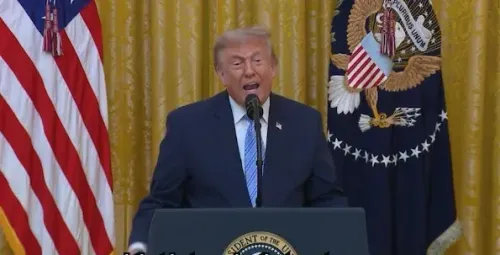
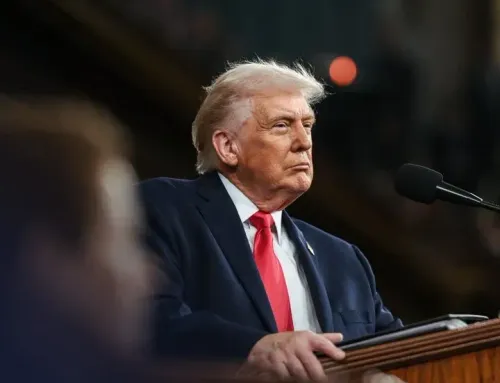
The release follows President Trump’s 16 July 2026 speech on China’s alleged election interference, for which FBI , CIA , NSA , ODNI , and DHS coordinated the factual statements.
The White House on 31 July 2026 released a declassified fact sheet asserting that China and its proxies acquired the voter registration data of as many as 220 million Americans, including information that was not publicly available. The disclosure, issued by the White House Government Transparency Task Force, was approved by the directors of the Office of the Director of National Intelligence (ODNI), the National Security Agency (NSA), the Central Intelligence Agency (CIA), and the Department of Homeland Security (DHS).
What the Declassified Documents Assert
According to the fact sheet, “The People’s Republic of China and their proxies bought, stole, or hacked as many as 220 million Americans’ voter registration data. China’s collection included non-publicly available data.” The documents relate to President Donald Trump’s recent declassification order concerning foreign election activities.
Intelligence Community documents from 2022, cited in the fact sheet, identified a Chinese Computer Network Exploitation (CNE) actor as having acquired voter registration data stored on commercial websites. CNE actors, according to the White House, typically use cyber operations to obtain information that is not accessible to the public.
How the Intelligence Community Defines Election Interference
The White House simultaneously released what it described as the Intelligence Community’s official definition distinguishing ‘election interference’ from the broader category of ‘election influence.’ The released definition states: “Election interference is a subset of election influence targeted at the technical aspects of the election, including voter registration, casting and counting of ballots, and reporting of results.”
The administration said the definition explicitly covers foreign efforts targeting voter registration infrastructure or voter registration data — directly encompassing the conduct alleged against China.
Risks Outlined by Intelligence Agencies
The declassified material details what intelligence agencies describe as potential risks once a foreign adversary gains access to voter registration data. Quoting directly from the documents, the White House stated: “Adversaries could alter data to potentially prevent individual voters or groups of voters from voting, causing delays on election day or forcing voters to use provisional ballots. Adversaries could also use the registration data — which in some cases is also available publicly or for purchase — to tailor other interference or influence efforts.”
Inter-Agency Coordination Behind Trump’s July 16 Speech
The fact sheet also disclosed details of the inter-agency process behind President Trump’s 16 July 2026 speech on what the administration described as China’s election interference activities. Representatives from ODNI, DHS, the CIA, the NSA, and the Federal Bureau of Investigation (FBI) reportedly coordinated with the White House in preparing the President’s remarks. According to the fact sheet, “The Intelligence Agencies approved the factual statements from their documents used in the President’s speech.”
Broader Context and What Comes Next
This release marks the latest in a series of steps by the Trump administration to publicise newly declassified intelligence material concerning foreign activities targeting US elections. The administration has argued that making such documents public provides greater transparency into intelligence assessments related to election security and foreign cyber operations. Notably, the scale of the alleged data acquisition — covering 220 million voter records — would represent one of the largest known foreign cyber intrusions into US electoral infrastructure. Independent verification of the claims has not yet been made public, and Beijing has not responded to the specific assertions in the fact sheet. How Congress, allied governments, and cybersecurity experts respond to the declassified material is expected to shape the next phase of this disclosure.
Point of View
But the absence of independently verifiable technical evidence in the public release limits its immediate credibility outside the administration. Releasing a fact sheet approved by intelligence directors is not the same as releasing the underlying intelligence; the distinction matters enormously in a polarised environment where foreign-interference claims are routinely weaponised. The simultaneous release of a formal definition of ‘election interference’ that explicitly covers voter registration data suggests the administration is building a legal and rhetorical architecture, not just making a disclosure. What is missing is any detail on remediation: if China held this data as far back as 2022, what has been done to harden voter registration systems since?
NationPress
14 Sept 2026
Frequently Asked Questions
What did the White House claim China hacked?
The White House asserted, citing declassified intelligence, that China and its proxies acquired voter registration data of as many as 220 million Americans, including information that was not publicly available. The data was allegedly obtained through buying, stealing, or hacking.
Which US intelligence agencies approved the fact sheet?
The fact sheet was approved by the directors of the Office of the Director of National Intelligence, the National Security Agency, the Central Intelligence Agency, and the Department of Homeland Security. Representatives from those agencies plus the FBI also coordinated President Trump’s 16 July 2026 speech on the matter.
What risks does the US government say this data breach poses?
According to the declassified documents, adversaries could alter voter registration data to prevent individuals or groups from voting, cause election day delays, or force voters onto provisional ballots. The data could also be used to tailor broader influence or interference operations targeting specific voter groups.
What is the difference between election interference and election influence, according to the new definition?
The Intelligence Community definition released by the White House describes election influence as any overt or covert foreign effort to affect a US election, including candidates, parties, and voter preferences. Election interference is defined as a narrower subset targeting the technical mechanics of elections — specifically voter registration, ballot casting and counting, and results reporting.
Has China responded to these allegations?
As of the release of the fact sheet on 31 July 2026, Beijing had not publicly responded to the specific assertions contained in the declassified documents. Independent verification of the claims has also not been made available.