Trump eyes Iran as new farm export market, announces $11 billion farmer relief
Synopsis
Trump floated Iran — a country the US recently struck militarily — as a new buyer of American wheat, soybeans, and corn, while simultaneously asking Congress for $11 billion in farmer relief. The proposal hinges on Tehran using unfrozen US-held assets to pay for the imports, an arrangement Iranian officials have yet to confirm.
Key Takeaways
President Donald Trump on 26 June identified Iran as a prospective new market for US wheat, soybeans, and corn.
Vice President JD Vance had earlier said Iran could use frozen assets released by the US to buy American agricultural goods; Iranian officials have not confirmed this.
Trump called on Congress to approve $11 billion in supplemental relief for US farmers, focused on specialty crops.
Agriculture Secretary Brooke Rollins will oversee distribution of the relief funding.
Trump cited expanded dairy access to Europe , Australia approving US beef after 25+ years , and China’s farm-purchase commitments as recent agricultural diplomacy wins.
He defended recent military strikes on Iran, saying they gave Washington a stronger negotiating position.
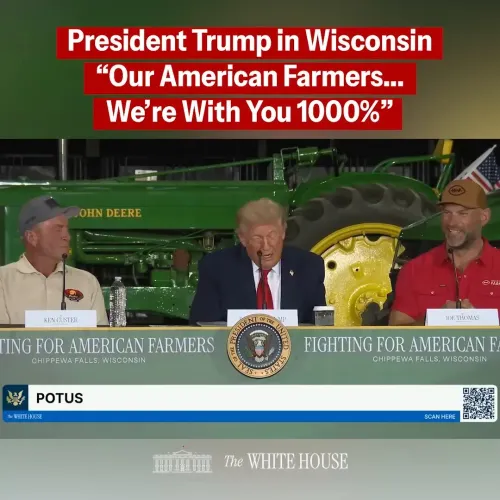
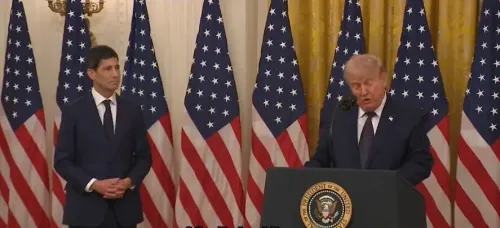
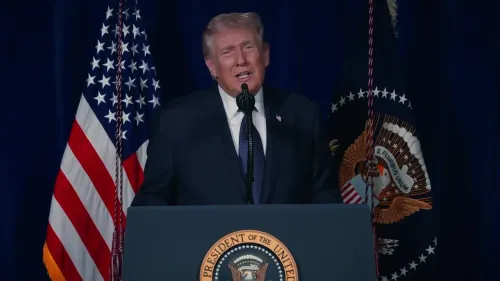
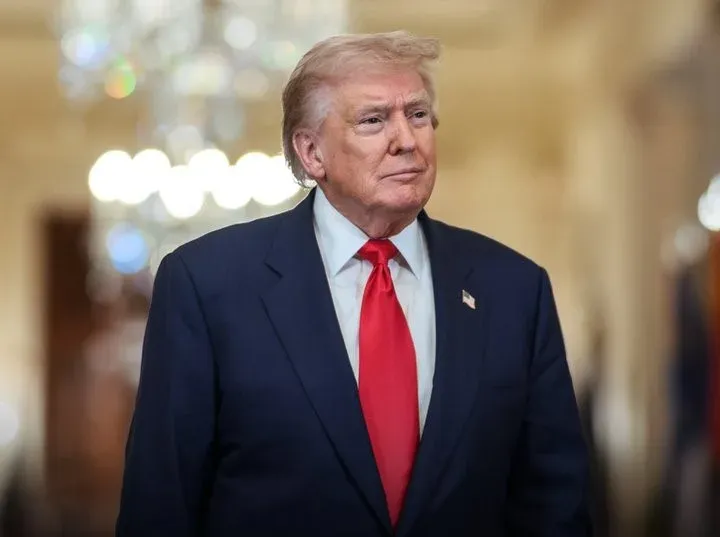
US President Donald Trump on 26 June said Iran could emerge as a significant new market for American agricultural exports, even as his administration pursues diplomatic negotiations with Tehran in the aftermath of recent military action. Speaking at a White House dinner honouring American farmers, Trump simultaneously called on Congress to approve an additional $11 billion in relief for US agricultural producers.
Iran as a Future Farm Market
Trump described Iran as a prospective buyer of American wheat, soybeans, and corn, framing the outreach as both a commercial opportunity and a diplomatic lever. “We began, and we have another one, a new market coming up. And that’s called the lovely Country of Iran,” he said at the dinner.
He elaborated: “They’re having a hard time with food, and we’re going to be taking some of their money, and we’ll spend it, and we’re going to be buying wheat, soybeans and corn, a lot of it. And that process is going to be starting pretty soon. It’s going to be pretty big. I think it’s going to be very big.”
Vice President JD Vance had previously indicated that Iran would be permitted to use frozen assets released by the United States to purchase American agricultural goods. Notably, Iranian officials have not publicly confirmed any such arrangement, leaving the proposal’s viability unverified from Tehran’s side.
$11 Billion Relief Package for US Farmers
Trump urged Congress to pass a supplemental funding bill providing $11 billion in relief, targeting specialty crops and helping producers recover from what he characterised as losses caused by regulations under the previous administration. “Yesterday we also called on Congress to pass a supplemental funding bill that will provide $11 billion in relief towards specialty crops and helping our great agricultural producers rebound from the losses that they had due to the Biden administration’s horrible, horrible rules and regulations,” he said.
Agriculture Secretary Brooke Rollins is set to oversee distribution of the assistance, according to Trump.
Broader Agricultural Diplomacy
Trump cited a series of market-access wins for US farm exports, including expanded dairy access to Europe, Australia’s approval of US beef imports after more than 25 years, and China’s commitment to purchase American agricultural products. On the domestic front, he highlighted measures such as raising the estate tax threshold, ending the federal electric vehicle mandate affecting farm equipment, permitting year-round sales of E15 fuel, and rolling back the environmental rule known as ‘Waters of the US.’
Military Action and Negotiating Leverage
Trump defended the administration’s recent military strikes against Iran, arguing they had strengthened Washington’s hand at the negotiating table. “We knocked the hell out of them. And now we’re negotiating from a position of pure strength,” he said. He also claimed the Strait of Hormuz had reopened to record levels of oil shipments, and briefly mentioned that the United States would assist Venezuela following an earthquake.
Who Was at the White House Dinner
The event brought together senior administration officials, lawmakers, and farm leaders, including Treasury Secretary Scott Bessent, Interior Secretary Doug Burgum, Health Secretary Robert F. Kennedy Jr., CMS Administrator Mehmet Oz, as well as governors, senators, and representatives from major agricultural states. Guests were served produce-inspired dishes and received organic garden seeds and tomato jam as gifts from White House executive chefs.
The United States is among the world’s largest exporters of wheat, corn, and soybeans. Agricultural exports have long served as instruments of US trade diplomacy, with successive administrations deploying food access as part of broader economic and foreign policy strategy. Whether the Iran farm-market proposal advances will depend heavily on the trajectory of ongoing nuclear negotiations.
Point of View
A mechanism that has not been publicly acknowledged by Iranian officials and whose legal architecture under existing sanctions remains unclear. The $11 billion farmer relief, meanwhile, is framed as correcting Biden-era regulatory damage, but the supplemental bill still requires Congressional approval, making the timeline uncertain. Taken together, the announcements reflect a pattern of using agricultural policy as both a domestic political reward and a foreign policy instrument — a dual-use playbook that has historically delivered mixed results.
NationPress
24 Sept 2026
Frequently Asked Questions
Why is Trump proposing to sell farm products to Iran?
Trump described Iran as a country ‘having a hard time with food’ and framed agricultural exports — wheat, soybeans, and corn — as a commercial opportunity tied to ongoing nuclear negotiations. The proposal would reportedly allow Iran to use frozen assets released by the US to purchase American farm goods, though Iranian officials have not publicly confirmed the arrangement.
What is the $11 billion farmer relief package?
It is a supplemental funding bill that Trump has urged Congress to approve, providing $11 billion in relief targeted at specialty crop producers and other agricultural businesses. Trump attributed the need for relief to losses caused by regulations under the Biden administration. Agriculture Secretary Brooke Rollins is expected to oversee distribution.
Has Iran agreed to buy US agricultural products?
Not publicly. Vice President JD Vance has said Iran would be permitted to use unfrozen US-held assets to purchase American agricultural goods, but Iranian officials have not confirmed any such arrangement as of 26 June.
What other farm export markets did Trump highlight?
Trump cited expanded dairy access to Europe, Australia’s approval of US beef imports after more than 25 years, and China’s commitment to purchase American agricultural products as examples of his administration’s overseas market expansion for US farmers.
How does the military action against Iran relate to the farm export proposal?
Trump argued that recent US military strikes on Iran strengthened Washington’s negotiating position, framing the agricultural outreach as diplomacy conducted ‘from a position of pure strength.’ He indicated that nuclear negotiations with Tehran are ongoing and that farm trade could be part of a broader deal.