Iran's $6 billion frozen funds in Qatar to be released, says President Pezeshkian
Synopsis
Iran's President Pezeshkian has confirmed $6 billion of the country's $12 billion in Qatar-held frozen assets will be released — a direct dividend of the Iran-US peace MoU signed on 18 June. With Hormuz tensions redirecting nuclear talks to Doha and a 60-day window to seal a final deal, the next two months will determine whether this diplomatic opening holds or unravels.
Key Takeaways
President Masoud Pezeshkian confirmed on 29 June that $6 billion in Iranian assets frozen in Qatar will be released.
Total frozen Iranian assets in Qatar amount to $12 billion ; follow-ups are under way for the remaining funds.
The release stems from the Iran-US peace MoU signed on 18 June , which also lifted sanctions on Iran's petrochemical and oil exports .
Both sides agreed to pause mutual attacks and allow free movement through the Strait of Hormuz , with technical talks continuing in Doha .
Iran and the US have a 60-day window under the MoU to negotiate a final, binding agreement.
Pezeshkian reiterated that Iran does not seek to develop nuclear weapons.
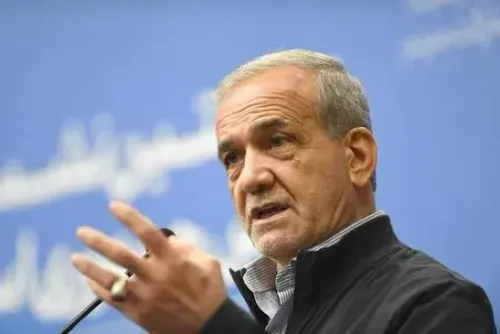
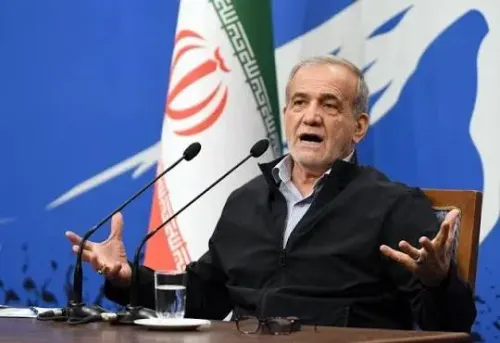
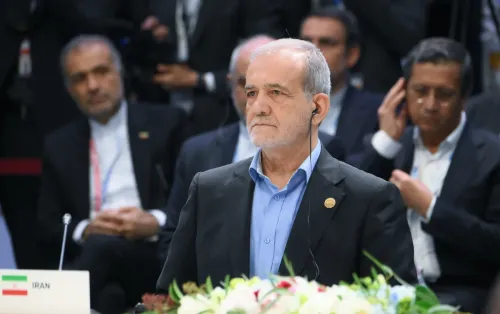
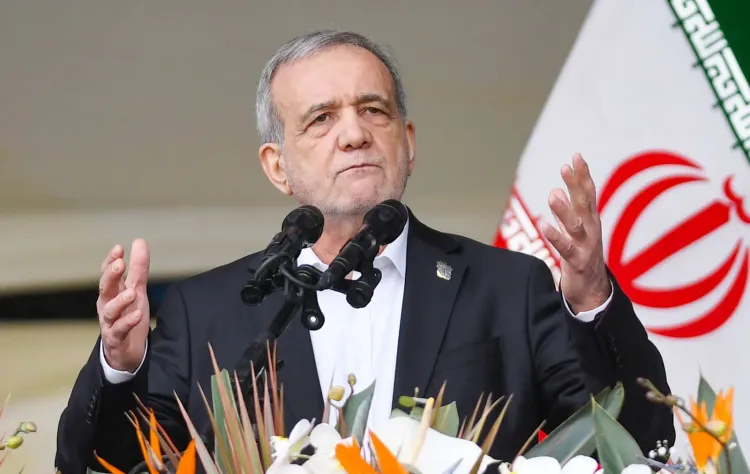
Iranian President Masoud Pezeshkian announced on Monday, 29 June that frozen Iranian assets worth $6 billion, currently held in Qatar, will be released and returned to Iran. The statement, made during a meeting with a senior cleric in the central province of Qom, comes in the wake of a recently signed peace Memorandum of Understanding (MoU) between Iran and the United States.
Scale of Frozen Assets
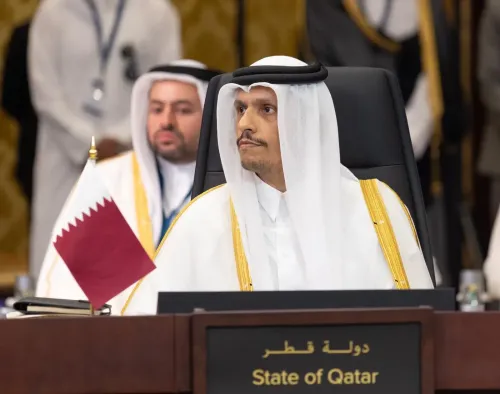
Pezeshkian put the total value of Iran's frozen assets held in Qatar at $12 billion, confirming that the initial tranche of $6 billion is set for release. He stressed that necessary follow-ups were under way to secure the return of the remaining funds. The announcement signals a significant financial thaw tied directly to the diplomatic breakthrough between Tehran and Washington.
What the Iran-US MoU Covers
Signed on 18 June, the MoU between Iran and the United States covers an end to hostilities across the region, including in Lebanon. Under its terms, both sides have agreed to hold negotiations within 60 days to reach a final, comprehensive agreement. Pezeshkian described the MoU as 'a great victory' for the Iranian people, noting that sanctions on Iran's petrochemical and oil exports have been lifted within the agreement's framework.
Israel's Opposition and the Hormuz Dispute
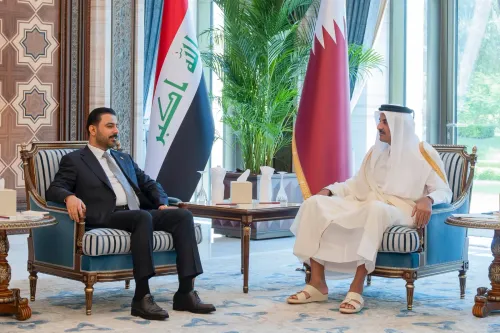
Pezeshkian acknowledged that Israel and certain other groups remain opposed to the MoU's implementation, but said the United States had ultimately compelled Israel to accept the accord. Separately, the US and Iran agreed earlier on Monday to pause mutual attacks 'for now' and to allow vessels to move freely through the Strait of Hormuz, according to reports citing a US official. Technical talks were set to continue in Doha on Tuesday — a venue shift from the originally planned Switzerland location, prompted by renewed Hormuz tensions that also shifted the agenda from Iran's nuclear programme to shipping security in the strategic waterway.
Iran's Nuclear Stance
Pezeshkian reiterated Tehran's position on its nuclear activities, stating that Iran does not seek to develop nuclear weapons and that its nuclear programme will remain in accordance with the country's declared needs and policies. The remarks are notable given that the Tuesday talks in Doha were originally designed around the nuclear file before the Hormuz crisis redirected the diplomatic focus.
What Comes Next
Both sides are expected to use the 60-day window under the MoU to negotiate a binding final agreement. The Doha talks on the Strait of Hormuz represent an immediate test of whether the diplomatic momentum can hold. The release of the remaining $6 billion in frozen assets will likely serve as a key benchmark for Iran in assessing US compliance with the accord's terms.
Point of View
But it is only half the story — $6 billion in assets remain frozen, and a final agreement must be struck within 60 days. The shift of nuclear talks from Switzerland to Doha, driven by Hormuz tensions, reveals how fragile the diplomatic architecture is: a single flashpoint in a strategic waterway was enough to reshape the entire agenda. Israel's continued opposition is a structural risk that neither side has resolved. The MoU is a pause, not a settlement, and the next two months will expose whether Washington and Tehran can convert a ceasefire framework into durable policy — or whether this becomes another diplomatic interlude that collapses under the weight of unresolved contradictions.
NationPress
28 Sept 2026
Frequently Asked Questions
What are the frozen Iranian assets in Qatar?
These are Iranian state funds, totalling reportedly $12 billion, that have been held frozen in Qatar as a result of US-led sanctions. President Pezeshkian confirmed on 29 June that $6 billion of these funds will be released and returned to Iran under the terms of the Iran-US peace MoU signed on 18 June.
What is the Iran-US peace MoU signed on 18 June?
The Memorandum of Understanding signed on 18 June commits Iran and the United States to ending hostilities across the region, including in Lebanon, and to holding negotiations within 60 days to reach a final agreement. It also includes the lifting of sanctions on Iran's petrochemical and oil exports.
Why were the Iran-US talks moved from Switzerland to Doha?
The talks, originally scheduled in Switzerland with a focus on Iran's nuclear programme, were relocated to Doha after renewed tensions in the Strait of Hormuz shifted the immediate diplomatic priority to shipping security in the waterway.
What is Iran's stated position on nuclear weapons?
President Pezeshkian reiterated on 29 June that Iran does not seek to develop nuclear weapons and that its nuclear activities will remain within the framework of its declared policies and national needs.
Why is Israel opposed to the Iran-US MoU?
According to Pezeshkian, Israel and certain other groups remain opposed to the MoU's implementation. He said the United States ultimately compelled Israel to accept the accord, though the reasons for Israel's opposition were not elaborated upon in his remarks.