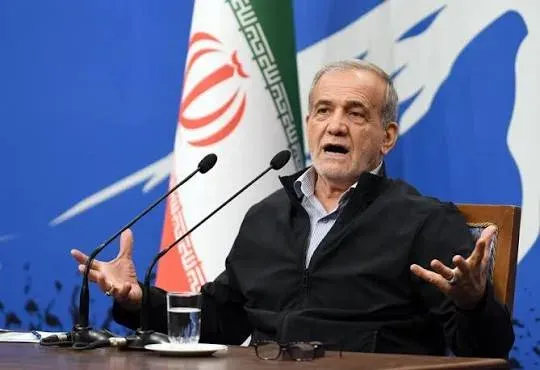
Iran's Pezeshkian: Tehran open to dialogue, will not surrender
Synopsis
Iran's president is walking a tightrope — publicly defending a deal with Washington while warning it is conditional, and doing so as mysterious explosions erupt near one of the world's most sensitive maritime chokepoints. The Qeshm incident adds a volatile military dimension to an already fragile diplomatic moment.
Key Takeaways
President Masoud Pezeshkian on 8 August reaffirmed Iran's readiness for dialogue but said Tehran will not be 'forced to surrender.' Iran signed an MoU with the United States in June , setting a 60-day window for final agreement negotiations.
Pezeshkian warned Iran has 'no obligation to continue' if the US fails to meet its commitments under the MoU.
He denied reports of internal leadership divisions and dismissed speculation that he was stepping down.
Two explosions were reported near Qeshm Island , Hormozgan province , at the entrance to the Strait of Hormuz on Thursday night ; local officials said no confirmed strike occurred on the island.
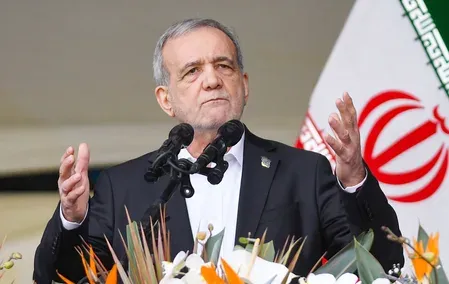
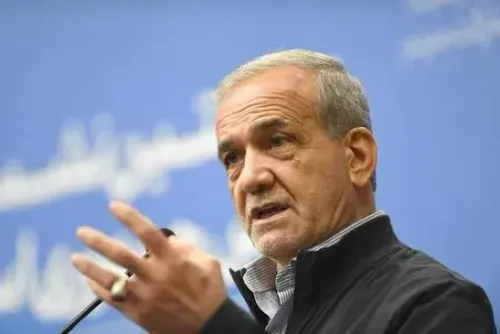
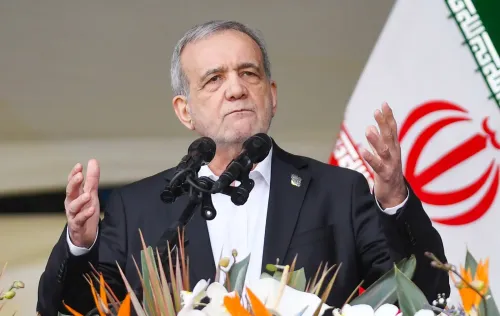
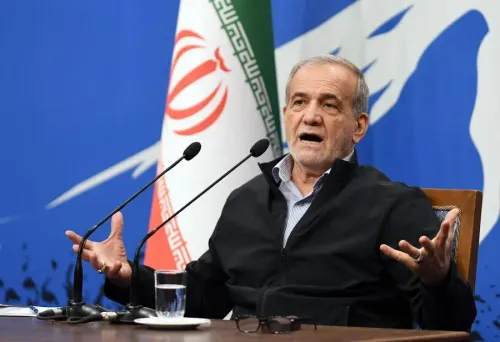
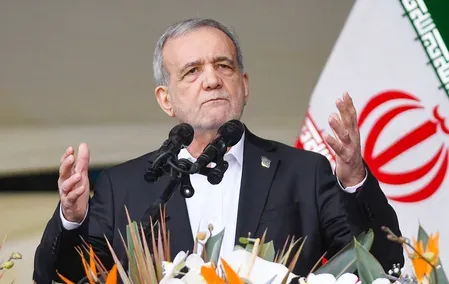
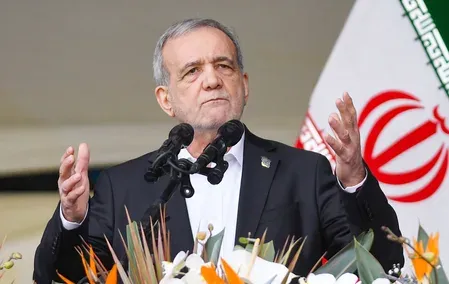
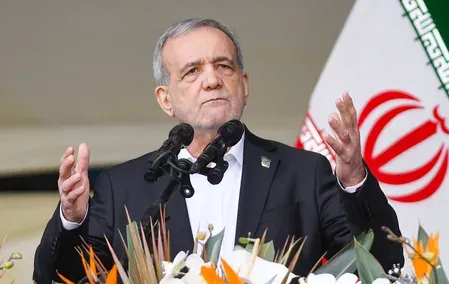
Iranian President Masoud Pezeshkian on Friday, 8 August reaffirmed Tehran's commitment to diplomatic engagement while drawing a firm line against capitulation, saying Iran will not be coerced into surrendering its rights. The statement, published on the official website of his office, comes as the future of a landmark Iran-US memorandum of understanding (MoU) hangs in the balance amid renewed bilateral tensions.
Pezeshkian Defends the MoU
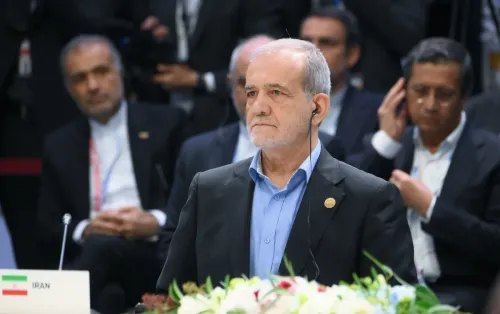
Pezeshkian defended the Iranian government's decision to enter negotiations with Washington and sign the MoU, which was concluded in June and set a 60-day window for both sides to negotiate a final agreement. He stressed that Iran would honour its obligations only as long as the United States upheld its own commitments under the deal. 'Wherever they fail to fulfil their commitment, we have no obligation to continue,' he said.
Denials of Internal Divisions
Earlier this week, Pezeshkian pushed back against reports of a rift within Iran's leadership over the MoU, saying he would 'continue his work resolutely.' Rumours of 'divisions' at the top levels of the Iranian government had circulated widely, along with speculation that the president might step down — claims he categorically denied.
Explosions Near Strait of Hormuz
Separately, two explosions were reported on Thursday night near Qeshm Island in Hormozgan province, at the entrance to the strategically critical Strait of Hormuz. According to the semi-official Tasnim news agency, the blasts — heard at approximately 21:40 local time (18:10 GMT) — resulted from Iranian armed forces confronting what were described as 'hostile enemy targets.' Tasnim cited informed sources for the account.
However, Ahmad Nafisi, Hormozgan's deputy governor for political, security and social affairs, said no strike or incident had been confirmed on Qeshm Island or the provincial capital Bandar Abbas. He added that authorities were conducting investigations to determine the cause of the explosions. Tasnim noted that details of the Iranian naval forces' 'achievements' would be disclosed in the coming hours.
Uncertain Road Ahead for Iran-US Talks
The diplomatic outlook remains fragile. The June MoU was seen as a rare opening between two countries with no formal diplomatic relations, but renewed friction has cast doubt on whether talks will reach a substantive conclusion within the agreed timeframe. Analysts note that the Qeshm incident, if it escalates, could further complicate an already delicate negotiating environment. The next few days are likely to be critical in determining whether the dialogue track survives.
Point of View
And Washington, which needs Iranian buy-in to claim any diplomatic win. The conditionality he has attached — 'we have no obligation to continue' if the US defaults — is a pressure valve, not a withdrawal. More telling is what happened near Qeshm: unexplained explosions at the mouth of the Strait of Hormuz, the artery through which roughly a fifth of global oil flows, are rarely incidental. Whether the incident was a provocation, a miscalculation, or a show of force, it raises the cost of any diplomatic breakdown considerably.
NationPress
22 Sept 2026
Frequently Asked Questions
What did Iranian President Pezeshkian say about dialogue with the US?
Pezeshkian said Iran remains committed to dialogue to protect its rights but will not be coerced into surrendering. He also warned that Iran has no obligation to continue the negotiations if the United States fails to honour its commitments under the June MoU.
What is the Iran-US memorandum of understanding (MoU)?
The MoU is an agreement signed by Iran and the United States in June, under which both sides committed to holding negotiations within a 60-day window to work toward a final agreement. Renewed tensions have since put the talks' outcome in doubt.
Are there divisions within Iran's leadership over the MoU?
Reports have circulated about rifts at the top of Iran's government regarding the MoU, including speculation that Pezeshkian might resign. The president has denied both claims, saying he will 'continue his work resolutely.'
What happened near Qeshm Island on Thursday night?
Two explosions were heard near Qeshm Island in Hormozgan province at the entrance to the Strait of Hormuz at around 21:40 local time on Thursday. Iranian armed forces said the blasts resulted from a confrontation with 'hostile enemy targets,' though the local deputy governor said no confirmed strike or incident was reported on the island or in Bandar Abbas.
How does the Qeshm incident affect Iran-US negotiations?
The explosions near the strategically vital Strait of Hormuz add a volatile military dimension to an already fragile diplomatic process. If the incident escalates or is attributed to a foreign actor, it could significantly complicate the remaining negotiating window under the MoU.