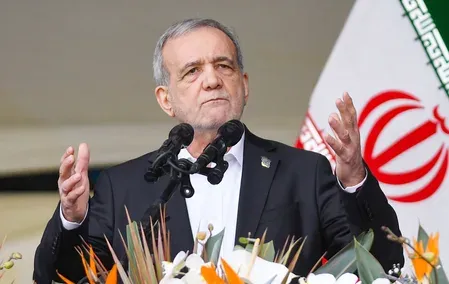
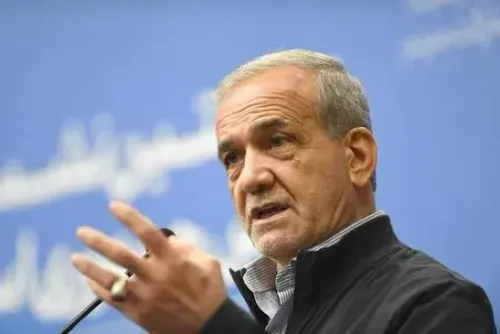
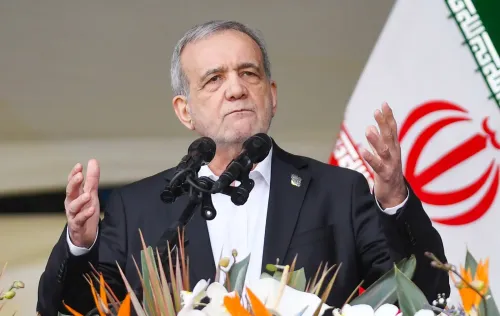
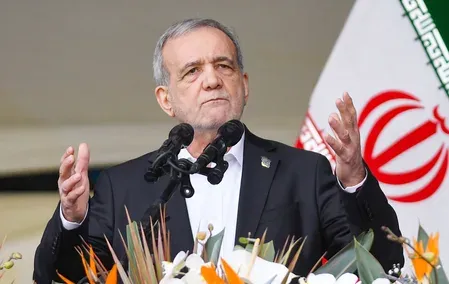
Iran-US peace MoU reached with 'dignity and power', says President Pezeshkian
Synopsis
Iran's president and parliament speaker are publicly celebrating the US peace MoU as a diplomatic victory — even as the 60-day negotiation deadline expires Monday amid fresh escalation. Meanwhile, a US senator and Iraq War veteran is accusing the Trump administration of entering the Iran conflict without a plan, an exit strategy, or a defined mission.
Key Takeaways
Iranian President Masoud Pezeshkian on 17 August defended the Iran-US peace MoU, saying it was reached with 'dignity and power.' The MoU was signed on 18 June , giving both sides 60 days to reach a final agreement — a window that expires Monday .
Parliament Speaker Mohammad Baqer Qalibaf called the MoU proof of 'Iran's glory and victory' in diplomacy.
The fate of the talks is uncertain following a fresh escalation between Iran and the US in recent weeks.
US Democratic Senator Ruben Gallego accused the Trump administration of entering the Iran war without a plan, exit strategy, or defined mission.
Senator Gallego cited reports of exhaustion, falling morale, and mental health concerns aboard the USS Abraham Lincoln .
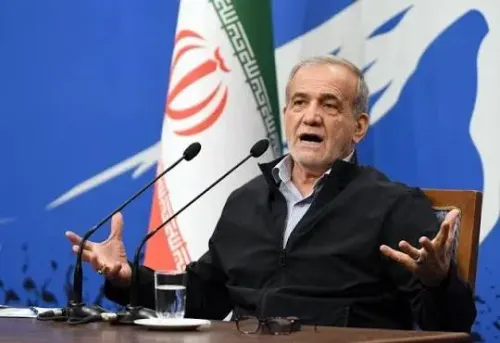
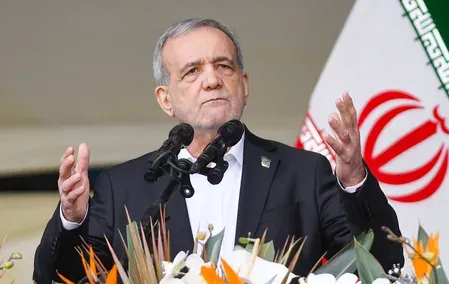
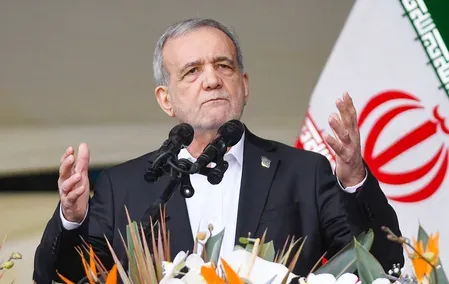
Iranian President Masoud Pezeshkian on Sunday, 17 August defended the peace memorandum of understanding (MoU) signed between Iran and the United States, asserting that Tehran negotiated the agreement from a position of strength and in keeping with the principles set by former Supreme Leader Ali Khamenei. The remarks came at a meeting attended by Education Minister Alireza Kazemi, where Pezeshkian pushed back against domestic critics of the deal.
Pezeshkian Defends the MoU
'We pursued the recent agreement with strength and did not surrender to our enemies,' President Pezeshkian said, according to a statement released by his office. He added that the MoU was the product of careful deliberation and in-depth consultations with experts — framing it not as a concession but as a diplomatic achievement consistent with Iran's stated national values.
The MoU, signed on 18 June, committed Iran and the United States to hold formal negotiations within a 60-day window ending on Monday with the goal of reaching a final agreement to end the conflict in the region. However, the fate of those talks remains uncertain following a fresh escalation between the two countries in recent weeks.
Parliament Speaker Echoes the Narrative
Iranian Parliament Speaker Mohammad Baqer Qalibaf, in separate remarks on Saturday, described the peace MoU as evidence of 'Iran's glory and victory' and said it reflected the consolidation of the country's gains on the diplomatic front, according to the official IRNA news agency. The alignment between the presidency and parliament signals a coordinated effort to manage domestic optics around the agreement.
US Senator Slams Trump Administration's War Planning
Meanwhile, US Democratic Senator Ruben Gallego — an Iraq War veteran who served in the Marine Corps — sharply criticised President Donald Trump's administration on Sunday over what he called a fundamental absence of planning in the Iran conflict. Speaking to ABC News, the Arizona senator said the administration had no clear entry plan, no exit strategy, and no defined mission.
'This administration did not plan for this war. They did not plan how to get out of this war, did not really understand how this war was going to escalate,' Senator Gallego said. His comments came in response to reports of exhaustion, falling morale, and mental health concerns aboard the USS Abraham Lincoln.
What Happens Next
With the 60-day negotiation window expiring on Monday, the critical question is whether Iran and the United States can bridge the gap toward a final agreement — or whether the recent escalation has effectively derailed the process. Both sides have publicly claimed the upper hand, a pattern that historically complicates back-channel diplomacy. The coming days will test whether the MoU holds as a framework or becomes a casualty of renewed hostility.
Point of View
Fresh escalation, and domestic pressure on both sides makes this one of the more volatile diplomatic junctures in the Iran-US standoff in years.
NationPress
1 Oct 2026
Frequently Asked Questions
What is the Iran-US peace MoU and what does it involve?
The Iran-US peace MoU is a memorandum of understanding signed on 18 June, committing both countries to hold negotiations within a 60-day period to reach a final agreement aimed at ending the conflict in the region. The deadline for those talks expires on Monday.
Why is President Pezeshkian defending the MoU?
President Pezeshkian defended the MoU at a meeting on 17 August, arguing that Iran negotiated it from a position of strength and in line with principles set by former Supreme Leader Ali Khamenei. His remarks appear aimed at countering domestic criticism of the deal.
What did Iranian Parliament Speaker Qalibaf say about the MoU?
Parliament Speaker Mohammad Baqer Qalibaf described the peace MoU on Saturday as proof of 'Iran's glory and victory,' saying it aligned with Iran's consolidation of diplomatic gains. His remarks reinforced the government's unified public messaging on the agreement.
What criticism did US Senator Ruben Gallego level at the Trump administration?
Senator Ruben Gallego, a Marine Corps veteran of the Iraq War, said the Trump administration entered the Iran conflict without a clear plan, exit strategy, or defined mission. He was responding to reports of exhaustion, falling morale, and mental health concerns aboard the USS Abraham Lincoln.
What happens if the 60-day negotiation window expires without a final deal?
The MoU's 60-day negotiation window expires Monday, and the fate of the talks is uncertain given recent escalation between the two countries. If no final agreement is reached, it remains unclear whether the MoU framework will hold or collapse entirely.