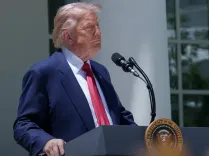
Iran-US talks: Pezeshkian says full commitment to MoU obligations is key
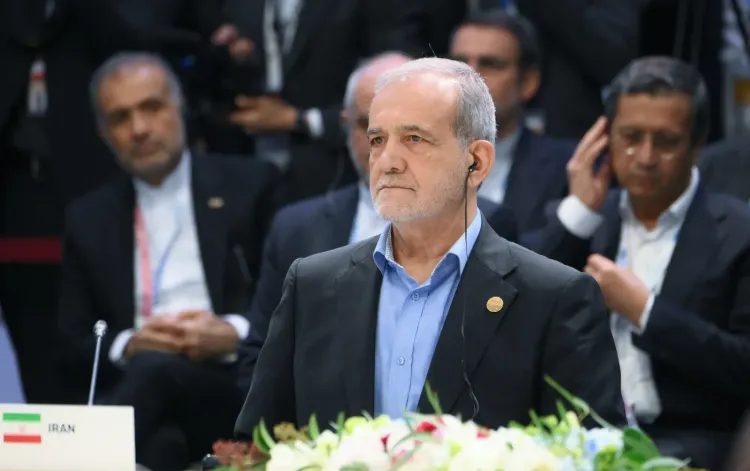
Synopsis
Iranian President Pezeshkian has put Washington on notice: progress in Iran-US talks will be judged strictly by what both sides do, not what they say. With a 60-day MoU window ticking and frozen assets, oil exports, and Lebanon's ceasefire all tied to implementation benchmarks, the diplomatic path ahead is as technical as it is political.
Key Takeaways
Iranian President Masoud Pezeshkian on 23 June said Iran-US talks can only succeed through full commitment to agreed MoU obligations.
Pezeshkian and US President Donald Trump remotely signed an MoU ending nearly four months of conflict, establishing a 60-day ceasefire extension .
The MoU covers Iran's nuclear programme , regional security , oil and petrochemical exports , and the release of Iran's frozen assets .
The latest round of talks was held in Switzerland (Lake Lucerne) , mediated by Qatar and Pakistan .
Under paragraph 13 of the MoU, final-agreement negotiations can only begin once key provisions — including cessation of hostilities in Lebanon — are implemented.
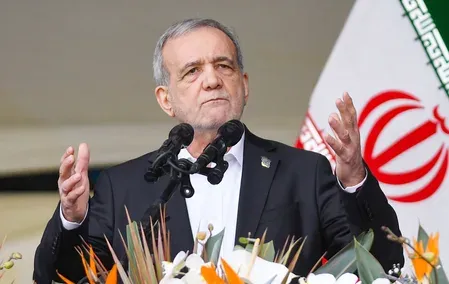
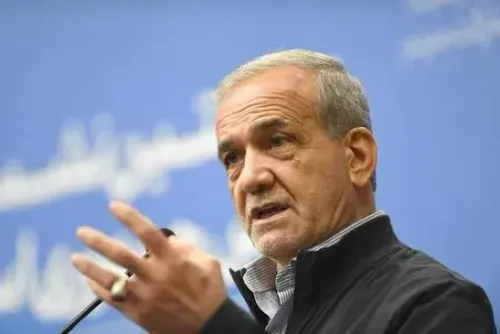
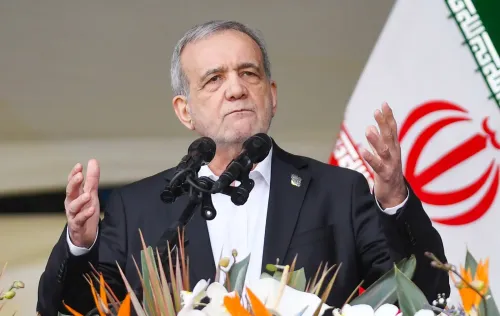
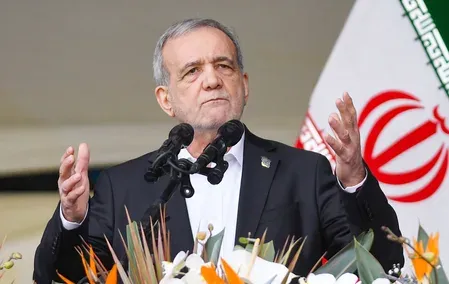
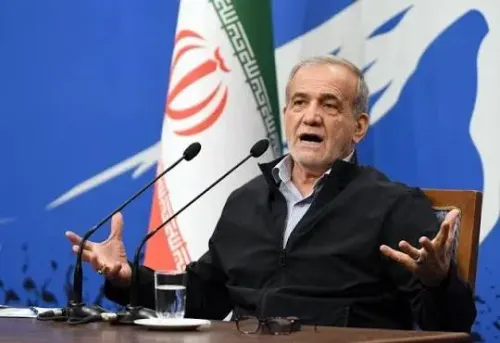
Iranian President Masoud Pezeshkian on Tuesday, 23 June declared that the effectiveness of ongoing negotiations with the United States hinges entirely on both sides honouring their agreed obligations and implementing them precisely. His remarks signal a cautious but firm Iranian posture as the two countries navigate a fragile post-conflict diplomatic process.
Pezeshkian's Direct Warning
In a post on X, Pezeshkian stated: 'The effectiveness of the talks depends on full commitment to the agreed obligations and their precise implementation. Progress on this path will be measured by practical adherence to accepted responsibilities. Statements outside the agreed text do not help advance the negotiations.'
The message was pointed — any public posturing or off-script statements by either side risk derailing a process that both nations have invested significant diplomatic capital in. Notably, this is one of the most direct public signals from Tehran about the conditions it considers essential for progress.
The Memorandum of Understanding
Pezeshkian's remarks follow the remote signing of a memorandum of understanding (MoU) by him and US President Donald Trump, which ended nearly four months of conflict between the two countries. The MoU established a 60-day ceasefire extension to allow negotiations on Tehran's nuclear programme and regional security issues.
The agreement represents a significant, if provisional, de-escalation — the first formal framework between Washington and Tehran to halt active hostilities and open a structured negotiation window.
Switzerland Talks and Implementation Mechanisms
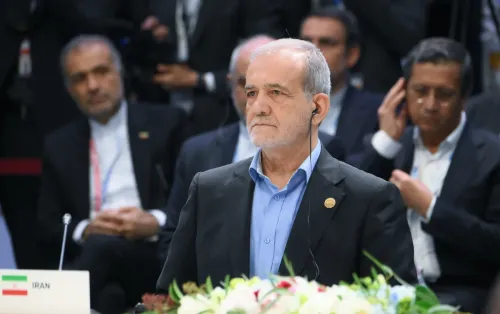
On Monday, Iranian Foreign Ministry spokesperson Esmaeil Baqaei disclosed that the most recent round of negotiations, held in Switzerland (Lake Lucerne), focused on advancing implementation mechanisms under the MoU. Talks began on the morning of Sunday, 31 Khordad, and continued into the early hours of Monday, 1 Tir.
According to Baqaei, discussions centred on paragraphs 1, 5, 10, and 11 of the MoU. A joint statement by mediating countries Qatar and Pakistan — prepared in consultation with both Iran and the US — outlined executive mechanisms for supervising implementation. It was agreed that expert- and technical-level discussions would continue to advance the war-termination agreement's effective execution.
What the Key Clauses Cover
Baqaei elaborated that under paragraph 13 of the MoU, the commencement of negotiations for a final agreement is contingent on the initiation and continuation of implementation of paragraphs 1, 4, 5, 10, and 11. He specified that the agreements reached in Switzerland — particularly on paragraph 1 (cessation of war and military operations by what he called 'the Zionist regime' in Lebanon, through a conflict-control mechanism involving the parties and the Republic of Lebanon), paragraph 10 (export of Iranian oil and petrochemical products), and paragraph 11 (release of Iran's frozen assets) — would facilitate the process of implementing reciprocal commitments.
The Iranian delegation returned home after the Switzerland session, with both sides expected to continue technical-level engagement in the weeks ahead.
What Comes Next
With the 60-day window now running, the pressure is on both Tehran and Washington to demonstrate tangible progress on the MoU's core provisions before formal final-agreement negotiations can begin. The involvement of Qatar and Pakistan as mediators adds a regional layer to what is otherwise a bilateral framework. Any breakdown in implementation — particularly on oil exports or frozen asset releases — could stall the broader diplomatic track before it formally starts.
Point of View
Tehran is pre-emptively deflecting any US political messaging that might oversell progress before implementation begins. The structural problem is that the MoU's sequencing — implementation before final talks — gives each side a veto over the other's next move. With frozen assets and oil exports tied to early milestones, Iran has economic skin in the game, but so does the US in terms of regional optics. Qatar and Pakistan's mediating role is notable: it signals that neither side trusts a purely bilateral channel to hold.
NationPress
22 Sept 2026
Frequently Asked Questions
What did Iranian President Pezeshkian say about Iran-US negotiations?
Pezeshkian said the effectiveness of the talks depends on full commitment to the agreed obligations and their precise implementation, warning that statements outside the agreed text do not help advance the negotiations. He made these remarks in a post on X on 23 June.
What is the memorandum of understanding between Iran and the US?
The MoU is a formal agreement signed remotely by Pezeshkian and US President Donald Trump that ended nearly four months of conflict between the two countries. It established a 60-day ceasefire extension to allow negotiations on Iran's nuclear programme and regional security issues.
What did the Switzerland talks between Iran and the US focus on?
The Switzerland talks, held at Lake Lucerne, focused on advancing implementation mechanisms for the MoU, specifically paragraphs 1, 5, 10, and 11. These cover cessation of hostilities in Lebanon, Iranian oil and petrochemical exports, and the release of Iran's frozen assets.
Who are the mediating countries in Iran-US negotiations?
Qatar and Pakistan are serving as mediating countries. A joint statement by both nations — prepared in consultation with Iran and the US — outlined executive mechanisms for supervising MoU implementation.
When can formal final-agreement negotiations between Iran and the US begin?
Under paragraph 13 of the MoU, final-agreement negotiations can only begin once the implementation of paragraphs 1, 4, 5, 10, and 11 has been initiated and is continuing. Progress on these provisions — including the Lebanon ceasefire mechanism and asset releases — is therefore a prerequisite.