Iran's Pezeshkian vows to guard national interests, urges caution in US talks
Synopsis
Iran's president has drawn a sharp line: negotiations with Washington will proceed only on Tehran's terms. With three hard conditions — no nuclear talks, frozen assets released first, and Hormuz control retained — still unresolved, and one failed round of talks already behind them, the gap between the two sides looks wider than the ceasefire suggested.
Key Takeaways
President Masoud Pezeshkian declared on 24 May that Iran will exercise 'utmost caution' in talks with the United States , citing broken commitments and targeted killings of Iranian officials.
Pakistan Army Chief General Asim Munir visited Tehran and reaffirmed commitment to regional stability, welcoming progress in negotiations.
Iran has set three non-negotiable conditions : no discussion of its nuclear programme at this stage, release of frozen assets before talks, and retention of control over the Strait of Hormuz .
A ceasefire between Iran , the US , and Israel was reached on 8 April after 40 days of conflict that began on 28 February .
One round of peace talks in Islamabad on 11–12 April failed to produce an agreement; the two sides have since exchanged proposed plans without a breakthrough.
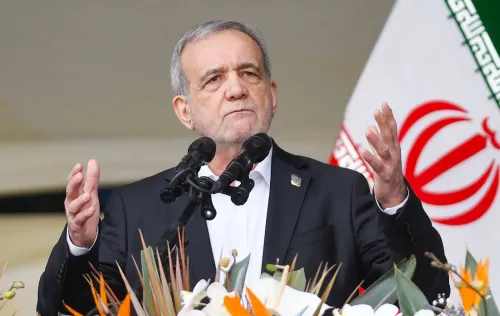
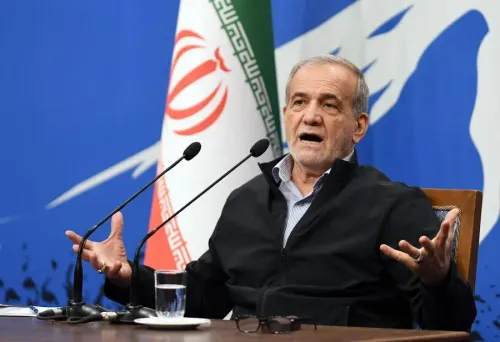
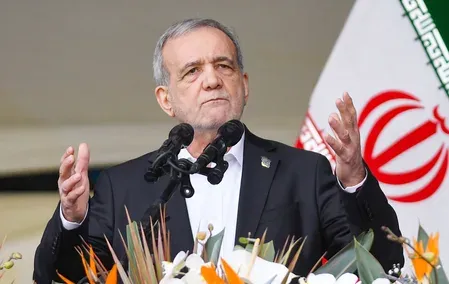
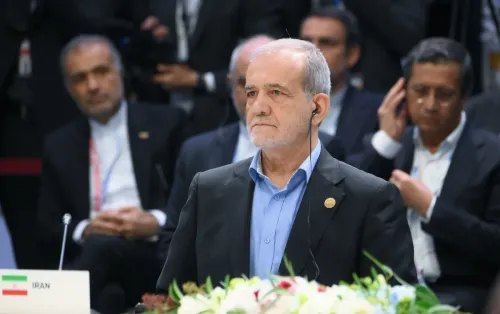
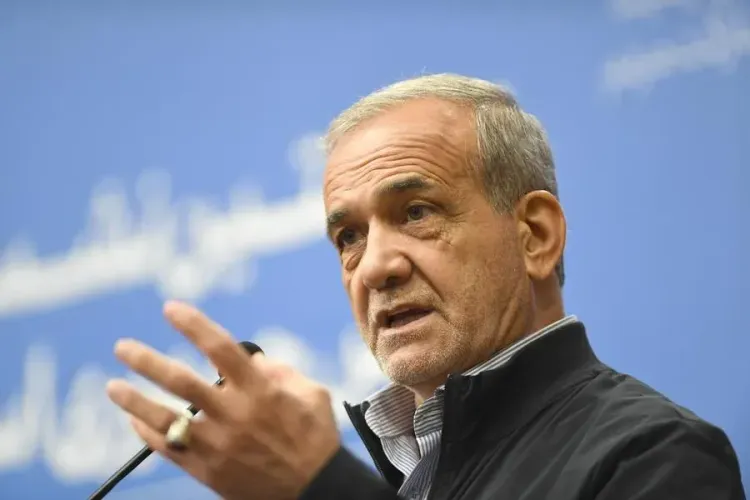
Iranian President Masoud Pezeshkian on 24 May declared that Tehran will protect its national interests at all costs and will exercise the 'utmost caution' in ongoing negotiations with Washington, citing a long history of broken commitments and hostile acts by the United States. The remarks came during a high-level meeting with visiting Pakistan Army Chief General Asim Munir in Tehran, according to a presidency statement.
Pezeshkian's Warning to Washington
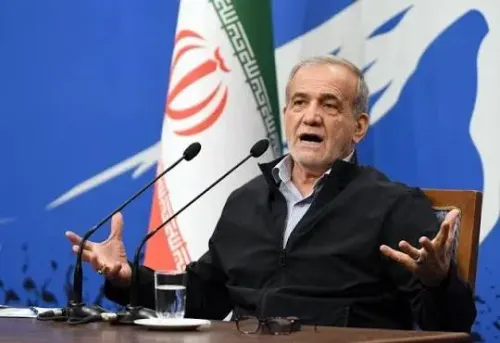
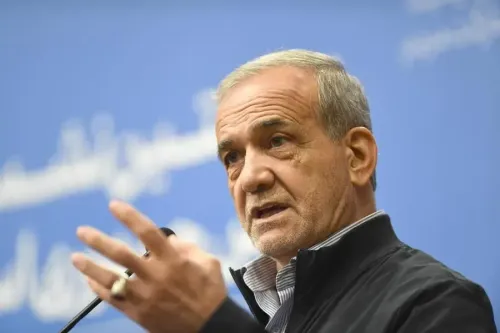
President Pezeshkian pointed to Washington's repeated breach of commitments, attacks on Iran during active talks, and the targeted killings of Iranian officials as the root causes of deep public mistrust within the country. He stated that Iran has pursued negotiations by leaning on its 'brotherly relations' with friendly nations, but was unambiguous about the bottom line. 'Our main goal is to solely safeguard the Iranian nation's interests through appropriate solutions,' he said. He added, 'We merely seek to safeguard our people's legal and legitimate rights, but our history and experience of negotiating with the United States urge us to exercise utmost caution.'
Pakistan Army Chief's Visit to Tehran
General Asim Munir arrived in Tehran on Friday night and used the meeting to reaffirm Pakistan's commitment to regional stability. He welcomed the progress made in the ongoing negotiations and expressed hope that the talks would yield favourable results for Iran and the broader region, according to reports. The visit underscores Islamabad's positioning as a potential diplomatic bridge between Tehran and Washington — a role it has actively cultivated since hosting the first round of peace talks.
Iran's Three Red Lines
Iran's semi-official Fars news agency reported on Saturday, citing a source close to the Iranian negotiating team, that peace talks are 'doomed to failure' if Washington does not show flexibility on three core issues. Tehran insists on not discussing its nuclear programme at this stage, the release of its frozen assets prior to further negotiations, and retaining control and management over the Strait of Hormuz. 'No negotiation will take place if the three remaining serious issues of disagreement are not resolved,' the report noted.
Background: Ceasefire and Stalled Talks
Iran, the United States, and Israel reached a ceasefire on 8 April after 40 days of fighting that began with US and Israeli attacks on Iran on 28 February. Following the truce, Iranian and US delegations held one round of peace talks in Islamabad on 11 and 12 April, which failed to produce an agreement. Over the past weeks, the two sides have reportedly exchanged several proposed plans outlining conditions for ending the conflict, though no breakthrough has been announced.
What Comes Next
President Pezeshkian also reiterated that war is not in anyone's interest and would only bring losses to the region and the world — a signal that Tehran remains open to diplomacy, but strictly on its own terms. With Iran's three non-negotiable conditions still unresolved and public mistrust running high domestically, the path to a durable agreement remains uncertain. Observers will watch whether Washington signals any flexibility on the frozen assets question, which Tehran has set as a precondition for substantive talks.
Point of View
But he is narrowing it considerably. The three conditions Tehran has publicly attached to further talks are not minor procedural asks; they touch the very core of what Washington wants from any deal. Notably, Iran's insistence on keeping the nuclear programme off the table at this stage inverts the usual Western framework, where denuclearisation is the starting point, not the endpoint. The Pakistan Army Chief's visit is significant context: Islamabad is quietly auditioning as a back-channel, having already hosted the only direct round of talks. Whether that role survives the current deadlock — and whether Washington reads Tehran's public posture as a negotiating position or a genuine red line — will define the next phase of this fragile post-ceasefire diplomacy.
NationPress
9 Oct 2026
Frequently Asked Questions
What did Iranian President Pezeshkian say about US negotiations?
President Masoud Pezeshkian said Iran will protect its national interests and exercise 'utmost caution' in talks with the United States, citing Washington's history of breaking commitments, attacking Iran during talks, and targeting Iranian officials. He stressed that Iran's sole goal is to safeguard its people's legal and legitimate rights.
What are Iran's three conditions for continuing peace talks with the US?
According to Iran's semi-official Fars news agency, Tehran insists on three conditions: its nuclear programme will not be discussed at this stage, its frozen assets must be released before negotiations proceed, and Iran will retain control and management over the Strait of Hormuz. Tehran has said no talks will occur unless these issues are resolved.
Why did Pakistan's Army Chief visit Tehran?
General Asim Munir arrived in Tehran on Friday night and met President Pezeshkian to reaffirm Pakistan's commitment to regional stability. He welcomed progress in the Iran-US negotiations and expressed hope they would yield favourable results for Iran and the region. Pakistan hosted the only direct round of Iran-US talks in Islamabad in April 2025.
What is the current status of Iran-US peace talks?
A ceasefire between Iran, the US, and Israel took effect on 8 April 2025 after 40 days of conflict. One round of direct talks was held in Islamabad on 11–12 April but failed to produce an agreement. The two sides have since reportedly exchanged proposed plans, but no breakthrough has been announced as of 24 May.
How does Iran view the risk of war?
President Pezeshkian stated that war has never been in anyone's interest and would only bring losses to the region and the world. The remark signals that Tehran remains open to a diplomatic resolution, but only on terms it considers consistent with its national interests and sovereignty.