Goa CM Sawant attends Brahma Kumaris conference at Mount Abu
Synopsis
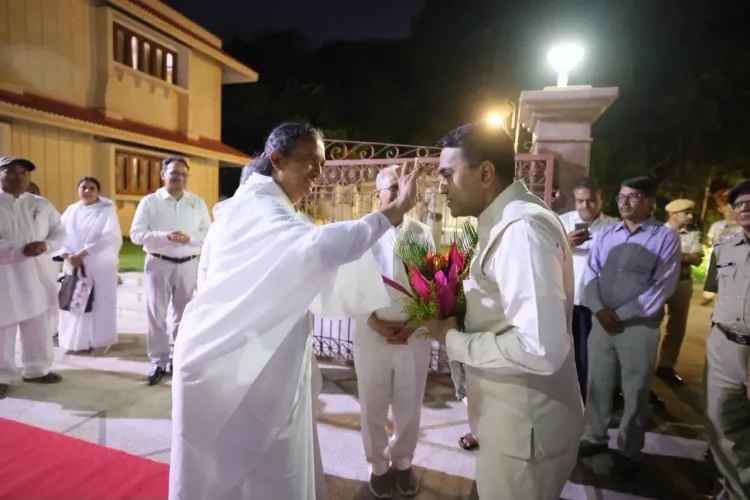
Goa Chief Minister Dr. Pramod P. Sawant arrived at Gyan Sarovar, Mount Abu on 10 July 2026 to attend the Brahma Kumaris' Conference for Politicians on Spirituality in Politics for a Peaceful Society, gracing the inaugural session as Chief Guest.
Key Takeaways
Sawant of Goa arrived at Gyan Sarovar, Mount Abu on 10 July 2026 for the Brahma Kumaris' political conference.
He was invited as Chief Guest for the inaugural session of the Conference for Politicians on Spirituality in Politics for a Peaceful Society .
The Brahma Kumaris , founded in 1936 , have hosted similar cross-party conferences for politicians periodically since the early 2000s.
Gyan Sarovar is the Brahma Kumaris' dedicated academy campus in Mount Abu, Rajasthan , used for international conferences and retreats.
The conference brings together elected representatives and civil society groups to discuss ethical conduct and value-based governance.
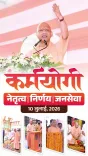
The Chief Minister's Office of Goa announced on Friday, 10 July 2026 that Chief Minister Dr. Pramod P. Sawant arrived at Gyan Sarovar, the Brahma Kumaris academy campus in Mount Abu, Rajasthan, to participate in the Conference for Politicians on Spirituality in Politics for a Peaceful Society. He was invited to grace the inaugural session as Chief Guest.
Context
Dr. Pramod P. Sawant has served as Chief Minister of Goa since 2019, having previously held the position of Speaker of the Goa Legislative Assembly. His presence at the Mount Abu conference places him among a recurring stream of Indian elected representatives who engage with spiritual organisations on questions of ethical governance. The Chief Minister's Office confirmed his arrival and participation through an official post on X.
The conference, titled 'Conference for Politicians on Spirituality in Politics for a Peaceful Society', is hosted by the Brahma Kumaris at their flagship campus, Gyan Sarovar. Dr. Sawant's role as Chief Guest at the inaugural session signals the event's standing as a significant inter-faith and cross-party gathering of public representatives.
Policy Backdrop
The Brahma Kumaris, a spiritual movement founded in 1936 in Hyderabad, Sindh, and now globally headquartered at Mount Abu in Rajasthan's Sirohi district, has organised periodic conferences for politicians since at least the early 2000s. These forums bring together elected officials across party lines to discuss the role of personal ethics, Rajyoga meditation, and value-based conduct in public life.
Gyan Sarovar, the organisation's dedicated academy campus, has served as the venue for international conferences, education programmes, and spiritual retreats. Its setting in the Aravalli hills has made it a preferred neutral ground for dialogue between political figures and civil society groups on governance and ethics.
Stakeholders and Impact
The conference draws politicians and civil society representatives, creating a platform where institutional decision-making is examined through the lens of spiritual practice. Indian leaders from multiple parties have historically attended such forums, reflecting a broader pattern in Indian public life of linking personal values with governance responsibilities.
For Goa, CM Sawant's participation signals the state government's openness to engaging with national and international civil society platforms. Such visibility at a cross-party, multi-state gathering can also serve as an opportunity to build networks with peers from other states and the central government.
What's Next
Attention will now turn to any formal resolutions, declarations, or follow-up programmes that emerge from the Mount Abu conference. Whether other serving chief ministers or central government ministers join the proceedings, and what specific commitments — if any — participants make on ethical governance, will determine the event's lasting policy relevance. Subsequent participation by other state or national leaders would further elevate the conference's profile.
Point of View
Value-driven governance beyond their home states. For a chief minister heading into the latter years of a term, visibility at a national civil society event can reinforce a statesman-like identity distinct from day-to-day administrative politics. The Brahma Kumaris' long record of hosting politicians across the ideological spectrum lends the conference a non-partisan credibility that makes attendance relatively low-risk and symbolically rewarding. The real measure of the event's significance will lie in any concrete commitments or resolutions that follow, rather than the participation itself.
NationPress
11 Jul 2026
Frequently Asked Questions
Why did Goa CM Pramod Sawant go to Mount Abu?
Goa CM Dr. Pramod P. Sawant travelled to Mount Abu to attend the Brahma Kumaris' Conference for Politicians on Spirituality in Politics for a Peaceful Society, where he served as Chief Guest at the inaugural session on 10 July 2026.
What is the Brahma Kumaris conference for politicians about?
The conference, titled 'Conference for Politicians on Spirituality in Politics for a Peaceful Society,' brings together elected representatives and civil society groups to discuss how spiritual values and ethical conduct can shape governance and public life.
Where is Gyan Sarovar located?
Gyan Sarovar is the Brahma Kumaris' dedicated academy campus situated in Mount Abu, Sirohi district, Rajasthan, which serves as the organisation's global headquarters and a venue for international conferences and retreats.
What is the Brahma Kumaris organisation?
The Brahma Kumaris is a spiritual movement founded in 1936 in Hyderabad, Sindh, now headquartered at Mount Abu, Rajasthan. It promotes Rajyoga meditation and ethical values and has hosted periodic conferences for politicians since at least the early 2000s.
Who is Dr. Pramod P. Sawant?
Dr. Pramod P. Sawant is the Chief Minister of Goa, a position he has held since 2019. He previously served as Speaker of the Goa Legislative Assembly and has focused on state development and administrative reforms.