CM Sawant Holds Citizen Grievance Meet in Sankhali
Synopsis
Goa Chief Minister Pramod Sawant met citizens at Ravindra Bhavan, Sankhali on 23 May 2026, hearing grievances from residents across the state and pledging timely action — continuing a longstanding janata darbar tradition in Goa's governance.
Key Takeaways
Goa CM Pramod Sawant held a public grievance interaction at Ravindra Bhavan, Sankhali on 23 May 2026 at 11:18 AM .
Citizens from across the state attended to place their concerns directly before the Chief Minister.
The venue, located in North Goa district , is a government-run auditorium frequently used for official outreach.
The janata darbar format has been a fixture of Goa's governance since the tenure of the late Manohar Parrikar .
Follow-up departmental action on grievances registered at the session is the key outcome to watch.
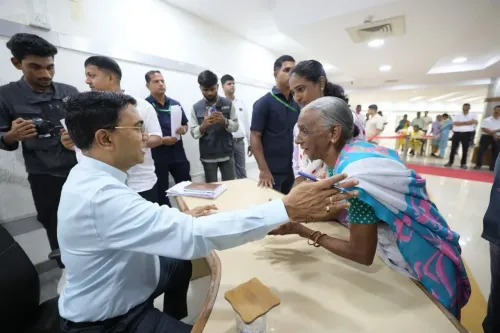
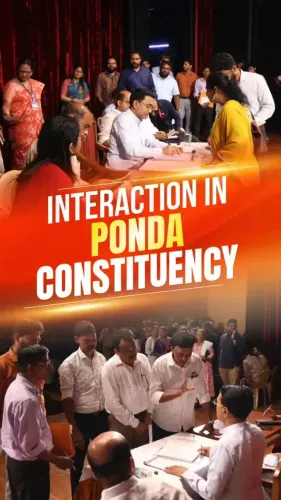
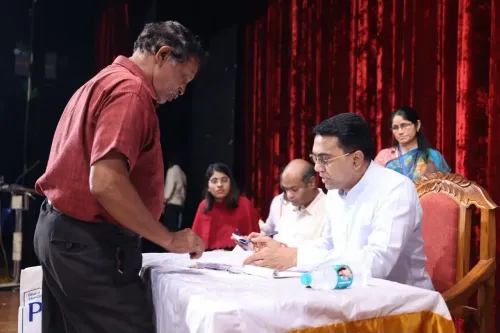
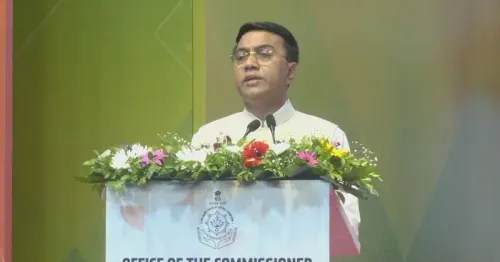
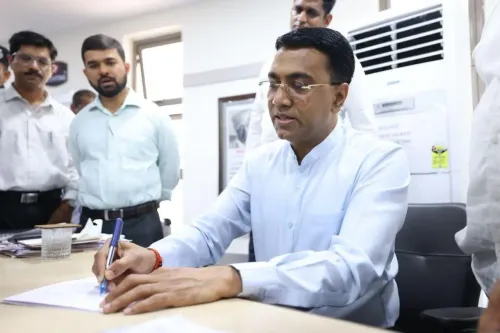
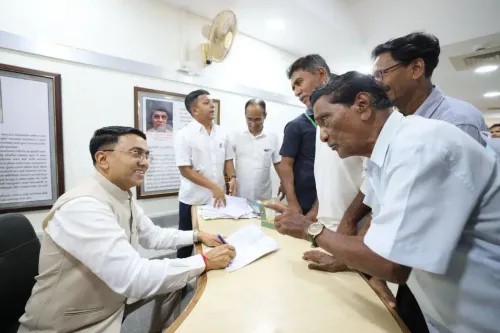
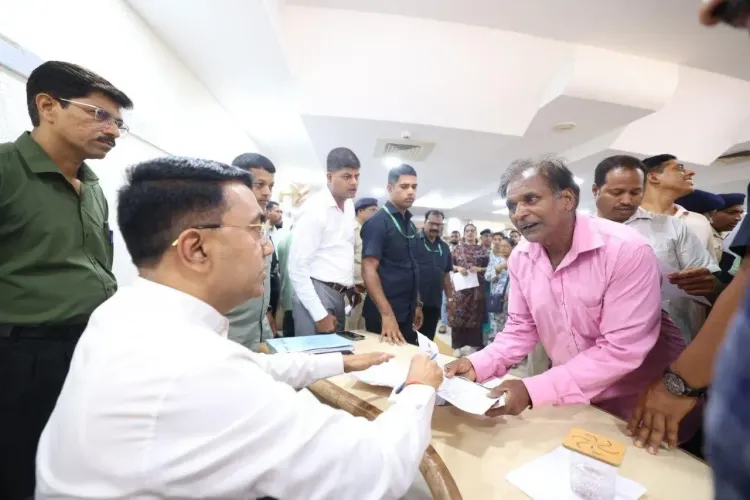
Goa Chief Minister Pramod Sawant held a public grievance interaction at Ravindra Bhavan, Sankhali, on 23 May 2026, meeting residents from across the state to hear their concerns and commit to timely redressal.
Context
The event, held at 11:18 AM at the government-run auditorium and cultural complex in North Goa district, saw citizens travel from various parts of Goa to place their grievances directly before the Chief Minister. Sawant posted photographs of the interaction on X, underscoring the administration's intent to project accessibility and responsiveness.
Such direct outreach sessions — often called janata darbars — are a well-established feature of governance in Goa. The practice was institutionalised prominently under the late Manohar Parrikar and has continued under successive chief ministers as a channel for citizens to bypass slower bureaucratic routes.
Policy Backdrop
Sawant, who has served as Chief Minister since March 2019 and represents the Sanquelim constituency in the state assembly, has periodically held such meetings at venues across Goa's talukas. Sankhali, the headquarters of Bicholim taluka in North Goa, sits within the broader constituency belt that Sawant represents, making the choice of venue politically and administratively significant.
Goa, India's smallest state by area with a population of roughly 1.5 million, is governed by a BJP-led coalition. The party has positioned direct citizen engagement as a pillar of its governance model at both the state and national level, with similar outreach formats deployed by BJP chief ministers in other states as well.
Stakeholders and Impact
For ordinary Goans — particularly those from districts and talukas distant from the state capital Panaji — these interactions offer a rare opportunity to escalate pending issues directly to the Chief Minister's office, bypassing departmental delays. Grievances typically span land disputes, infrastructure gaps, pension delays, and local development concerns.
District-level residents who attend such sessions often see faster movement on stalled files, as the Chief Minister's direct acknowledgement creates accountability pressure on the relevant departments. The sessions also serve as an on-ground political feedback mechanism for the ruling party ahead of electoral cycles.
What's Next
The key indicator to watch is whether the grievances logged at Ravindra Bhavan, Sankhali translate into verifiable follow-up orders or scheme-level announcements in the days ahead. A pattern of similar meetings scheduled across other talukas would signal a structured outreach drive rather than a one-off event. Observers will also note whether the administration publishes a formal grievance redressal report from the session.
Point of View
Such sessions feed into a broader narrative of an 'accessible' chief minister. The real test, however, lies in post-session follow-through: without a transparent grievance-tracking mechanism, the optics of accessibility risk outpacing actual redressal. If Sawant expands the format to other talukas in a structured calendar, it would mark a meaningful governance commitment rather than a periodic gesture.
NationPress
14 Oct 2026
Frequently Asked Questions
What happened at Ravindra Bhavan Sankhali on 23 May 2026?
Goa Chief Minister Pramod Sawant held a public grievance interaction at Ravindra Bhavan, Sankhali on 23 May 2026, where citizens from across the state met him to raise their concerns and seek timely government action.
What is a janata darbar in Indian governance?
A janata darbar is a public hearing where a chief minister or senior official meets citizens directly to receive and act on grievances, bypassing slower bureaucratic channels. The format has been common across Indian states and parties for decades.
Where is Ravindra Bhavan Sankhali located?
Ravindra Bhavan, Sankhali is a government-run auditorium and cultural complex in North Goa district, frequently used for official outreach programmes and public meetings by the Goa state government.
Who is Pramod Sawant and which party does he belong to?
Pramod Sawant is the Chief Minister of Goa, in office since March 2019, and a legislator from the Sanquelim constituency. He belongs to the Bharatiya Janata Party (BJP), which leads the ruling coalition in Goa.
What issues do citizens typically raise at Goa CM grievance meetings?
Citizens at such interactions typically raise issues including land disputes, infrastructure gaps, delays in pension or welfare payments, and local development concerns that have not been resolved through regular departmental channels.