CM Sawant Holds Ponda Constituency Meet on Grievances
Synopsis
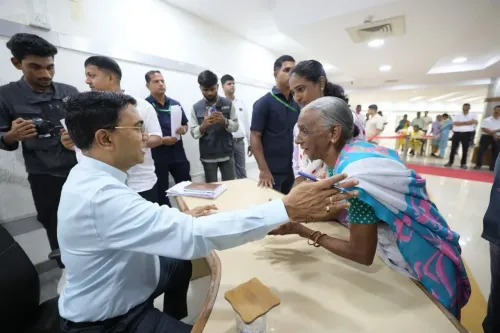
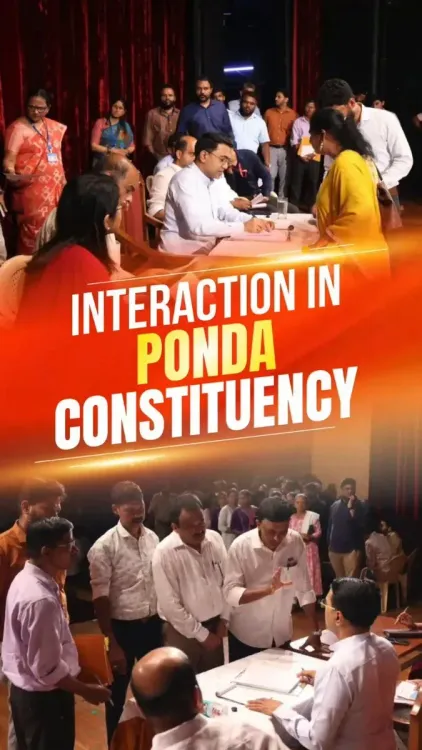
Goa Chief Minister Pramod Sawant held a direct public interaction with Ponda constituency residents on 8 July 2026 to address civic grievances and reinforce responsive, people-centric governance across the South Goa district.
Key Takeaways
Goa Chief Minister Pramod Sawant engaged with residents of Ponda constituency on 8 July 2026 .
The meeting aimed at addressing public concerns and ensuring timely grievance redressal .
Ponda is a legislative assembly constituency in South Goa district with significant civic and infrastructure concerns.
Sawant has conducted periodic constituency-level grievance camps across Goa since taking office in March 2019 .
District administration is expected to follow up on cases logged during the interaction with time-bound resolutions.
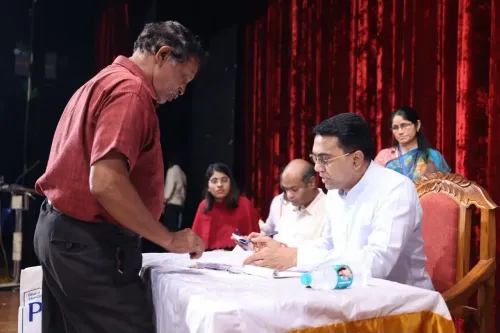
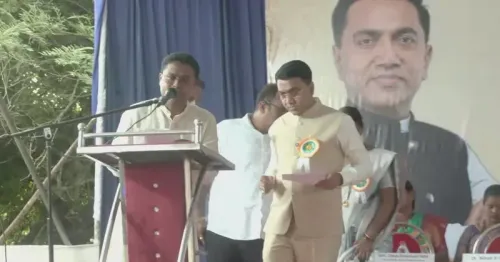
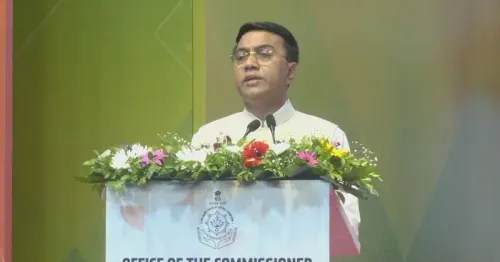
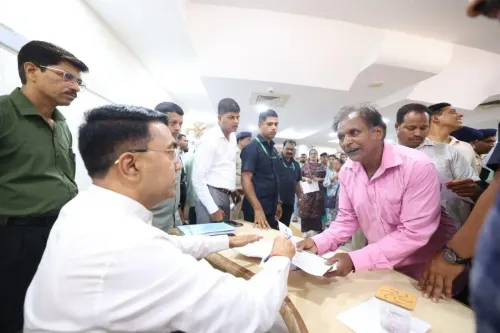
Goa Chief Minister Pramod Sawant on Wednesday, 8 July 2026, engaged directly with residents of the Ponda constituency to hear public concerns and ensure timely redressal of grievances, reinforcing his administration's commitment to people-centric governance.
Context
Sawant stated he was 'pleased to interact with the Ponda Constituency to address public concerns, ensure timely grievance redressal, and strengthen people-centric governance.' The outreach signals a direct, on-ground approach to administration that bypasses bureaucratic intermediaries and puts the Chief Minister in face-to-face contact with voters.
Ponda is a legislative assembly constituency in South Goa district, covering temple towns and rural belts with longstanding civic concerns around local infrastructure, roads, and basic amenities. The area holds cultural and religious significance for the state, making it a politically important constituency.
Policy Backdrop
Since assuming office in March 2019 following the death of former Chief Minister Manohar Parrikar, Sawant has institutionalised periodic constituency-level meetings and grievance camps across Goa's districts as a core administrative practice. These interactions are designed to create a structured channel for citizens to bring unresolved issues directly to senior government attention.
This model of direct public outreach aligns with a broader pattern visible across BJP-governed states, where chief ministers conduct regular jan sampark — public contact — programmes consistent with central directives on time-bound grievance redressal mechanisms. The approach is intended to demonstrate administrative responsiveness ahead of electoral cycles.
Stakeholders and Impact
Residents of Ponda and surrounding areas are the primary beneficiaries of such interactions, with local civic groups and gram panchayat representatives typically using these platforms to escalate pending infrastructure and service-delivery complaints. Issues around roads, water supply, and civic amenities have historically dominated such constituency-level sessions in Goa.
For the state administration, these meetings generate a direct record of public grievances that district officials are expected to act upon within stipulated timelines, creating accountability at the local level.
What's Next
Follow-up action will depend on district administration reports detailing how many cases were logged during the Ponda interaction and the timelines set for resolution. Any subsequent budget allocations or infrastructure announcements for the constituency will indicate whether the meeting translates into concrete policy outcomes. Sustained follow-through on grievances raised will be the measure of the programme's effectiveness on the ground.
Point of View
Sawant reinforces his image as an accessible administrator — a contrast he has consciously cultivated since succeeding the more nationally prominent Manohar Parrikar. The real test, however, lies in follow-through: grievance camps that do not yield verifiable resolutions can quickly become liabilities rather than assets. Whether the Ponda interaction produces measurable outcomes will determine if this is substantive governance or managed optics.
NationPress
7 Oct 2026
Frequently Asked Questions
Why did CM Pramod Sawant visit Ponda constituency?
Sawant visited Ponda to interact directly with residents, hear public concerns, and ensure timely redressal of civic grievances as part of his people-centric governance approach.
What is Ponda constituency in Goa?
Ponda is a legislative assembly constituency in South Goa district, known for its temple towns and rural areas, with longstanding concerns around local infrastructure and civic amenities.
How long has Pramod Sawant been Chief Minister of Goa?
Pramod Sawant has been Chief Minister of Goa since March 2019, when he assumed office following the death of Manohar Parrikar.
What happens after a CM grievance camp in Goa?
After such interactions, district administration officials are expected to log all cases raised and act on them within stipulated timelines, with follow-up reports tracking resolution progress.
Does the BJP hold regular public grievance meetings in Goa?
Yes, since 2019 the Sawant-led government has institutionalised periodic constituency-level meetings and grievance camps across Goa districts as a structured administrative outreach practice.