Gadkari Hosts BRICS Transport Delegates at Gala Dinner in Nagpur
Synopsis
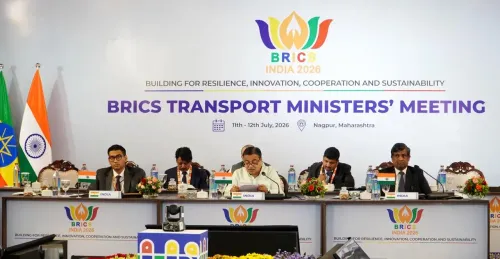
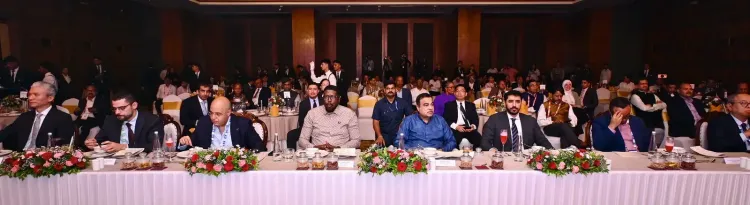
Union Minister Nitin Gadkari hosted BRICS member-country delegates at a Gala Dinner and Cultural Evening in Nagpur on 11 July 2026, on the sidelines of the 3rd BRICS Transport Working Group Meeting, using the occasion to advance dialogue on infrastructure cooperation and connectivity under India's 2026 BRICS engagement.
Key Takeaways
Union Minister Nitin Gadkari hosted a Gala Dinner and Cultural Evening for BRICS delegates in Nagpur, Maharashtra on 11 July 2026 .
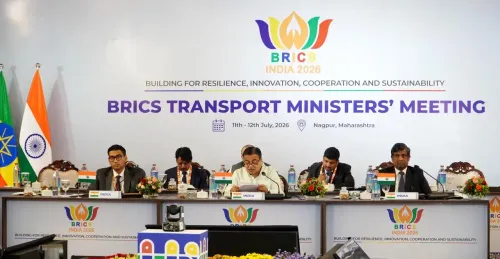
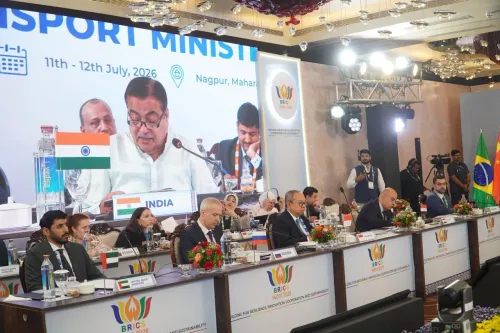
The event was organised on the sidelines of the 3rd BRICS Transport Working Group Meeting , which focuses on transport infrastructure, connectivity, and policy harmonisation.
Nagpur is designated by the central government as a major multimodal logistics and transport hub, adding strategic significance to the choice of venue.
The New Development Bank , established by BRICS in 2014 , finances transport and infrastructure projects across member states and provides institutional backing for Working Group outcomes.
India has historically used its BRICS chairmanships to advance infrastructure and connectivity agendas, a pattern continued through the 2026 presidency cycle.
Working Group outcomes are expected to inform agenda items at India's broader BRICS 2026 summit-level engagements later in the year.
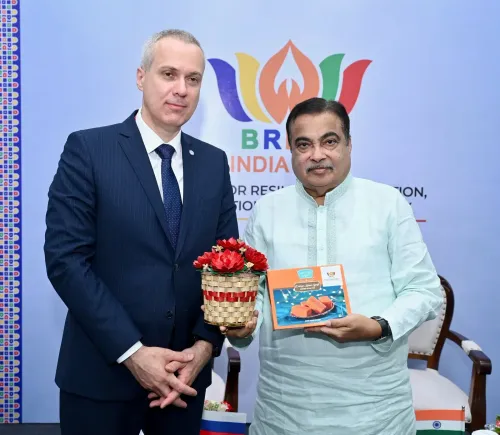
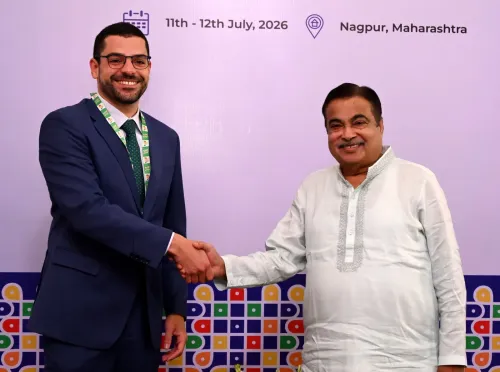
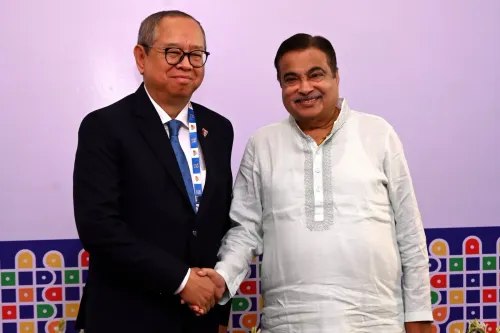
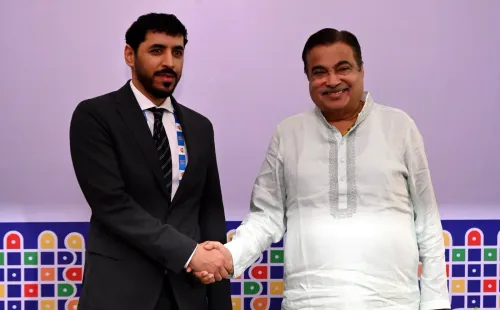
Union Road Transport and Highways Minister Nitin Gadkari welcomed delegates from BRICS member countries to a Gala Dinner and Cultural Evening on the sidelines of the 3rd BRICS Transport Working Group Meeting in Nagpur, Maharashtra, on Friday, 11 July 2026. The event was organised to complement the technical deliberations of the Working Group with an evening of cultural diplomacy and bilateral engagement.
Context
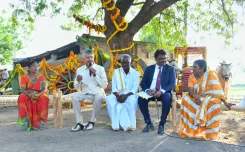
Posting on X, Minister Gadkari said he was 'delighted to welcome delegates from the BRICS member countries to the Gala Dinner and Cultural Evening,' adding that 'the evening showcased India's rich cultural heritage, diverse traditions, and warm hospitality.' He described the occasion as 'an opportunity to strengthen dialogue, deepen mutual understanding, and reinforce the spirit of cooperation among the BRICS nations.'
Nagpur — Gadkari's home constituency and a city the central government has designated as a major multimodal logistics and transport hub — served as the host city for the Working Group meeting, lending the gathering added symbolic weight for India's infrastructure ambitions.
Policy Backdrop
BRICS, the grouping of major emerging economies that was founded in 2009 and expanded in 2024, has used sectoral working groups to advance practical cooperation beyond high-level summits. The Transport Working Group specifically focuses on coordination in transport infrastructure, connectivity, and policy harmonisation across member states.
India has historically leveraged its BRICS chairmanships to push infrastructure and connectivity agendas. The grouping's New Development Bank, established in 2014, finances transport and infrastructure projects across member countries, providing an institutional backbone for commitments that emerge from forums such as this Working Group. India's 2016 BRICS Summit in Goa similarly placed transport and infrastructure connectivity at the centre of the agenda.
Stakeholders and Impact
The meeting brings together transport ministries from across the BRICS bloc, creating a platform for aligning standards, exploring joint infrastructure financing, and discussing sustainable mobility frameworks. For India's logistics sector, greater harmonisation with BRICS partners — who collectively represent a significant share of global trade corridors — holds direct commercial relevance.
Cultural side events of this nature are standard diplomatic practice during technical multilateral meetings. They serve to build interpersonal rapport among delegates, which often facilitates smoother negotiations on the technical agenda. Hosting such an event in Nagpur — a city at the geographic heart of India and a node in the country's emerging logistics network — underscores the government's intent to project the city's strategic importance on an international stage.
What's Next
The outcomes of the 3rd BRICS Transport Working Group Meeting are expected to feed into the broader agenda of India's 2026 BRICS presidency cycle. Observers will watch for any joint statements, infrastructure commitments, or connectivity frameworks that emerge from the technical sessions running alongside the cultural programme. Further Working Group meetings and ministerial-level engagements are anticipated as India advances its BRICS presidency priorities through the remainder of 2026.
The Nagpur gathering signals that India is using every layer of the BRICS calendar — from working-group technicals to gala dinners — to build the diplomatic capital needed to secure meaningful infrastructure cooperation agreements before the year's flagship summit.
Point of View
Consistent with India's pattern of using cultural showcases to lubricate multilateral negotiations. Situating the event in Nagpur — his home turf and a logistics hub the government has invested heavily in promoting — carries a dual message: India's infrastructure ambitions are real and geographically distributed, not just Delhi-centric. The Working Group format itself is significant; it is at this technical level, rather than at leaders' summits, that durable transport-connectivity frameworks are actually drafted. As India steers its 2026 BRICS agenda, expect the outcomes of these working-group sessions to surface as headline commitments at the year's flagship summit.
NationPress
10 Oct 2026
Frequently Asked Questions
What is the BRICS Transport Working Group?
The BRICS Transport Working Group is a sectoral forum under the BRICS grouping that brings together transport ministries of member countries to coordinate on infrastructure development, cross-border connectivity, and transport policy harmonisation.
Why was the BRICS Transport Working Group Meeting held in Nagpur?
Nagpur has been designated by the Indian central government as a major multimodal logistics and transport hub, making it a symbolically and strategically apt venue for a BRICS transport-focused meeting. It is also Union Minister Nitin Gadkari's home constituency.
What is India's role in BRICS in 2026?
India holds the BRICS presidency in 2026 and is hosting a series of ministerial and working-group meetings across the country as part of its chairmanship responsibilities, with a flagship summit expected later in the year.
What is the New Development Bank and how does it relate to BRICS transport cooperation?
The New Development Bank was established by BRICS nations in 2014 to finance infrastructure and transport projects in member states. It provides the institutional and financial backbone for commitments that emerge from forums like the BRICS Transport Working Group.
What did Nitin Gadkari say at the BRICS Gala Dinner in Nagpur?
Minister Gadkari said he was delighted to welcome delegates and described the evening as an opportunity to 'strengthen dialogue, deepen mutual understanding, and reinforce the spirit of cooperation among the BRICS nations,' while highlighting India's cultural heritage and hospitality.