Gadkari flags integrated transport at BRICS 2026 talks
Synopsis
Union Minister Nitin Gadkari on 11 July 2026 flagged the importance of integrated, future-ready transport systems at BRICS India 2026 discussions, linking regional connectivity and sustainable development to the grouping's broader economic cooperation agenda.
Key Takeaways
Nitin Gadkari participated in BRICS 2026 ministerial-level discussions on transport and connectivity on 11 July 2026 .
Talks emphasised 'integrated, future-ready transport systems' spanning all BRICS member nations.
Three themes dominated: regional connectivity, economic cooperation, and sustainable development .
India has been an active BRICS infrastructure voice since joining the New Development Bank at its founding in 2014 .
Formal outcomes — joint statements or working-group agreements — are yet to be announced.
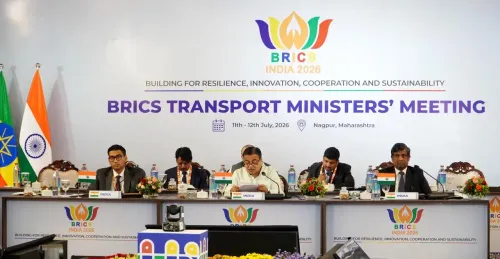
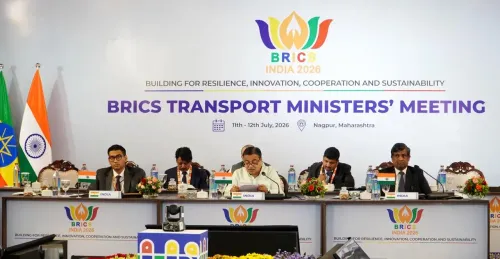
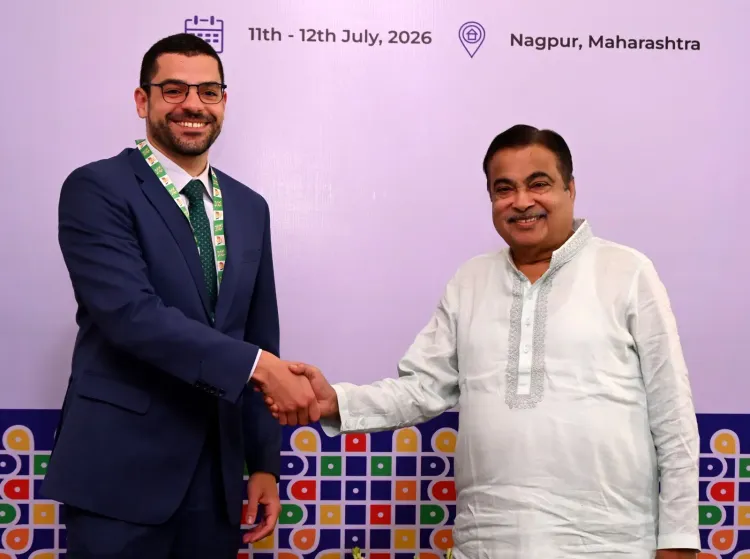
Union Road Transport and Highways Minister Nitin Gadkari on Saturday, 11 July 2026 highlighted the centrality of integrated and future-ready transport systems during discussions held in the context of BRICS India 2026, underscoring the grouping's shared interest in regional connectivity, economic cooperation, and sustainable development.
Context
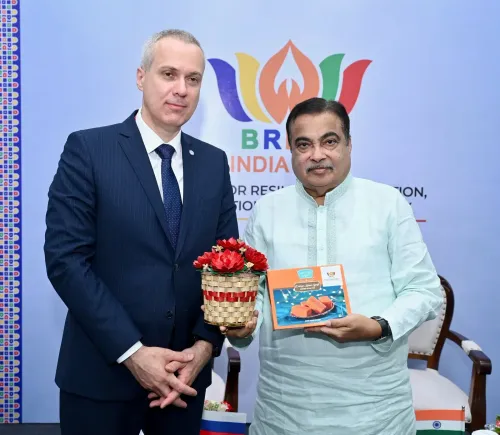
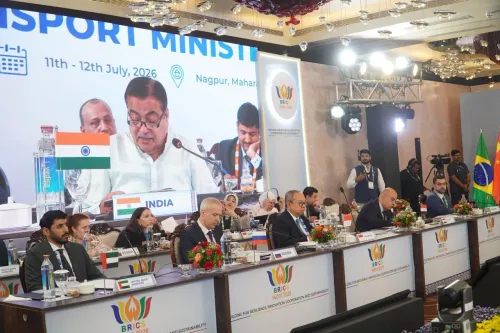
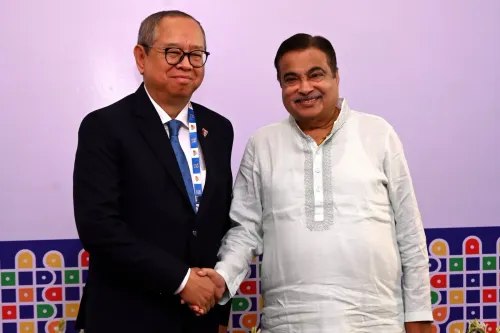
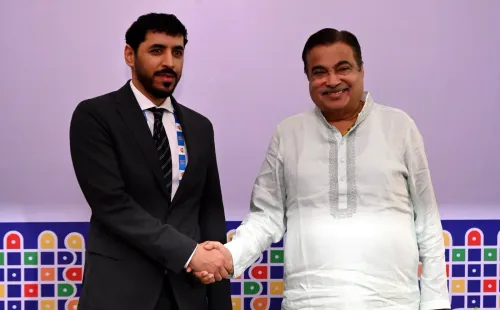
Gadkari's post, a reply on X, noted that 'the discussions underscored the importance of fostering integrated, future-ready transport systems that enhance regional connectivity, economic cooperation, and sustainable development across BRICS nations.' The remark signals that transport and infrastructure featured prominently in ministerial-level exchanges under the #BRICS2026 and #BRICSIndia2026 banners. Two images accompanied the post, suggesting an in-person or formal meeting setting.
The BRICS grouping — comprising Brazil, Russia, India, China, South Africa and its newer members — has long used its ministerial platforms to align policy on development finance and cross-border infrastructure. India's role as a prominent voice within BRICS on connectivity has grown steadily since the grouping's early summits.
Policy Backdrop
India chaired BRICS in 2021, hosting a virtual summit that included dedicated sessions on infrastructure and sustainable development. New Delhi has also been an active participant in the BRICS New Development Bank since its founding in 2014, which has extended lending to transport and urban infrastructure projects across member states.
The Ministry of Road Transport and Highways, which Gadkari heads, has simultaneously driven one of the world's largest domestic highway expansion programmes, linking national ambitions to multilateral cooperation frameworks. Successive governments have positioned India's National Infrastructure Pipeline as complementary to regional connectivity goals advanced through forums such as BRICS and the SCO.
The emphasis on 'future-ready' systems reflects a broader trend within these discussions: integrating green mobility standards, digital logistics, and multimodal connectivity into what have traditionally been road- and rail-centric agendas.
Stakeholders and Impact
The primary beneficiaries of any BRICS transport framework would be regional logistics firms, port operators, and surface-transport agencies across member nations, who stand to gain from harmonised standards and reduced cross-border friction. For India, deeper BRICS transport cooperation could support trade corridor development linking it to Russia, China, and the newer African and Middle Eastern members of the grouping.
Civil society and sustainability advocates within BRICS nations have also pushed for 'sustainable development' to mean concrete emissions and safety benchmarks — not merely aspirational language — making Gadkari's framing politically significant for domestic green-mobility stakeholders as well.
What's Next
Observers will watch for any formal BRICS working-group outcomes or joint statements on transport that may emerge from the 2026 cycle of meetings. Whether the discussions Gadkari referenced translate into binding cooperation frameworks, joint infrastructure financing, or memoranda of understanding between transport ministries will determine their long-term policy weight.
India's ability to convert multilateral connectivity rhetoric into project-level outcomes — particularly on corridors that intersect with its own highway and multimodal expansion plans — will be a key measure of the diplomatic value of BRICS India 2026 for the transport sector.
Point of View
He aligns domestic highway ambitions with a multilateral narrative that carries weight with both development-finance institutions and green-policy constituencies. The move also signals that BRICS India 2026 is being used to build diplomatic scaffolding around India's infrastructure export ambitions. Whether this rhetoric hardens into bankable projects will be the real test of the 2026 cycle.
NationPress
10 Oct 2026
Frequently Asked Questions
What did Nitin Gadkari say at BRICS 2026?
Gadkari stated that discussions at BRICS 2026 underscored the importance of fostering integrated, future-ready transport systems that enhance regional connectivity, economic cooperation, and sustainable development across BRICS nations.
What is BRICS India 2026?
BRICS India 2026 refers to India's engagement with the BRICS grouping during the 2026 calendar cycle, which includes ministerial meetings and summits among member nations on themes including trade, infrastructure, and sustainable development.
What is India's role in BRICS transport cooperation?
India has been an active participant in BRICS infrastructure discussions since the New Development Bank's founding in 2014, using the platform to advance cross-border connectivity and sustainable transport agendas alongside its domestic highway programmes.
What is the BRICS New Development Bank?
The BRICS New Development Bank, established in 2014, is a multilateral development lender founded by BRICS nations to finance infrastructure and sustainable development projects across member and partner countries, including transport infrastructure in India.
What are the next steps after the BRICS 2026 transport discussions?
Observers are watching for formal working-group outcomes or joint statements on transport from the 2026 BRICS cycle; any memoranda of understanding or financing frameworks between member-state transport ministries would be the concrete follow-up to the ministerial-level talks.