Iran Outlines 3 Key Conditions to Resolve Ongoing Conflict
Synopsis
As the military conflict between the US, Israel, and Iran intensifies, Tehran has specified three crucial conditions for peace: recognition of rights, reparations, and international security guarantees. Will these demands be met to halt the ongoing violence?
Key Takeaways
Iran demands recognition of its rights as a condition for peace.
Reparations for damages are necessary according to Tehran.
International guarantees against future aggression are essential for ending the conflict.
Casualties have reached nearly 2,000 individuals, mostly Iranians and Lebanese.
Children are severely impacted, with over 1,100 casualties reported.
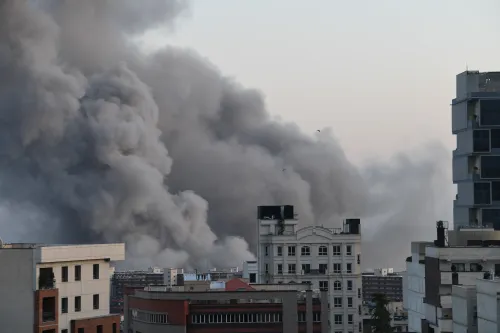
New Delhi, March 12 (NationPress) As the military operations led by the United States and Israel against Iran, alongside Iran's retaliatory actions, approach their third week, Tehran has articulated three essential prerequisites for resolving the conflict: acknowledgment of its rights and compensation for wartime damages.
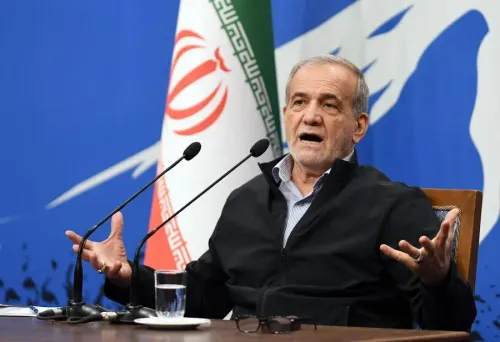
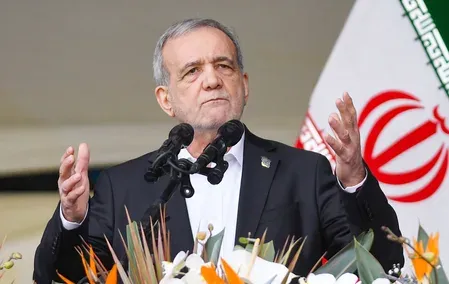
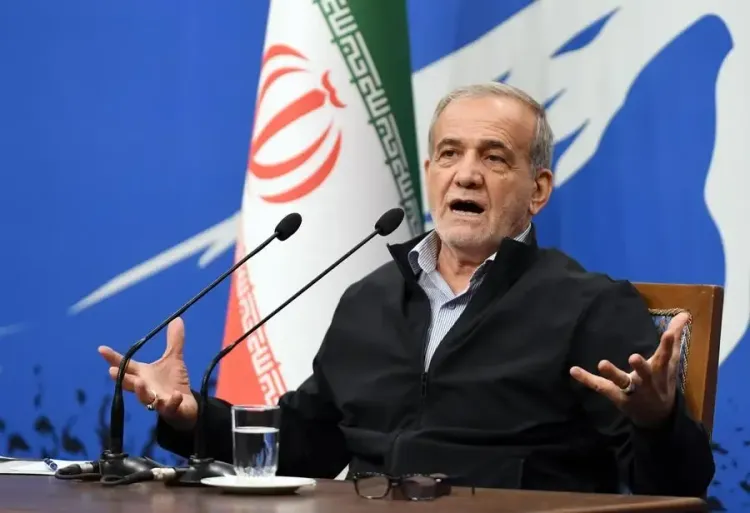
Iranian President Masoud Pezeshkian emphasized that Tehran is dedicated to achieving peace, yet he firmly stated that the hostilities can only cease if Washington and Tel Aviv agree to its terms.
In a message shared on social media following discussions with Russian and Pakistani leaders, Pezeshkian reiterated Iran's stance on conflict resolution.
“The sole path to conclude this war — instigated by the Zionist regime and the United States — requires the recognition of Iran’s legitimate rights, the provision of reparations, and robust international assurances against future hostilities,” Pezeshkian asserted.
Tehran insists that the conflict was provoked by assaults from the United States and Israel, maintaining that it will not consent to a ceasefire without definitive guarantees regarding its security and rights.
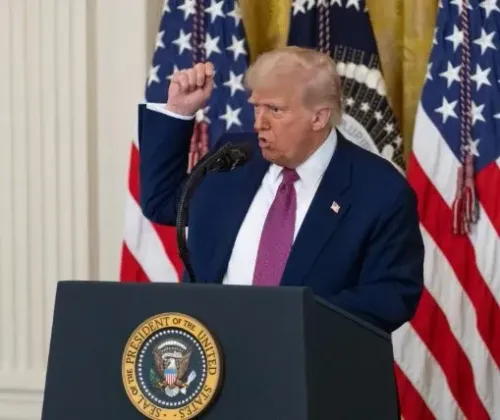
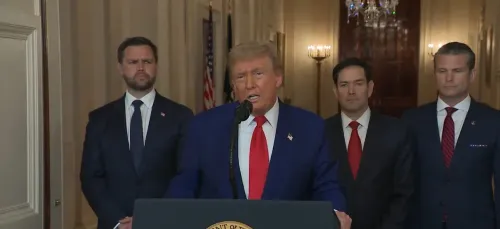
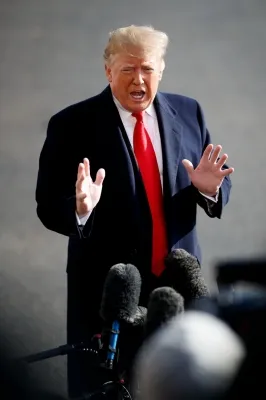
Despite these stipulations, there is scant evidence suggesting that the violence will subside soon. US President Donald Trump has declared that the United States will persist with its military efforts, even as the war enters its second week following coordinated American and Israeli airstrikes on Iranian positions.
During a campaign-style rally in Kentucky ahead of the November midterm elections, Trump asserted that the US has gained a strategic advantage in the conflict but indicated that military actions continue.
“We don’t want to withdraw prematurely, do we? We need to complete the mission,” Trump stated.
Shortly before this comment, he suggested that the conflict could conclude soon, claiming that there are few remaining targets for US forces to attack.
“I can end this conflict whenever I choose,” Trump mentioned, adding that there is “virtually nothing left” for the US military to bombard.
Meanwhile, the US military has issued alerts to Iranian civilians, advising them to steer clear of ports with naval operations due to the risk of further assaults. Israel has also indicated that it has an extensive list of potential targets within Iran, including sites associated with ballistic missile capabilities and nuclear-related facilities.
The ongoing conflict has resulted in significant casualties and widespread disruption throughout the region.
Estimates suggest that nearly 2,000 individuals have lost their lives thus far, predominantly Iranians and Lebanese, as the violence has spilled over into Lebanon.
The war has severely impacted children, with more than 1,100 children reported killed or injured since the conflict's inception, according to the United Nations Children’s Fund (UNICEF).
The escalation has caused a sharp reaction in global energy markets, primarily due to fears of supply disruptions around the Strait of Hormuz, a critical energy transit route where approximately one-fifth of global oil passes.
Oil prices surged to nearly $120 per barrel earlier this week before settling at around $90, though renewed tensions have driven prices higher once again.
Iran has cautioned that the situation could deteriorate further, warning the global community to brace for oil prices that could reach $200 per barrel. Tehran has also suggested that shipping through the Strait of Hormuz is becoming nearly unfeasible, claiming control over this strategic waterway and attacking vessels nearing it.
Point of View
The situation is alarming. The conflict's escalation poses severe humanitarian and geopolitical risks, and Iran's demands for recognition and reparations highlight the complexities of achieving peace. A balanced approach is essential to navigate these turbulent waters.
NationPress
24 Sept 2026
Frequently Asked Questions
What are Iran's conditions for ending the conflict?
Iran has set three key conditions: recognition of its rights, payment of reparations for war damages, and firm international guarantees against future aggression.
How many casualties have been reported in the conflict?
Estimates indicate that nearly 2,000 individuals have died since the conflict began, with a significant number of casualties among Iranians and Lebanese.
What impact has the conflict had on children?
According to UNICEF, over 1,100 children have been killed or injured since the onset of the conflict, highlighting the devastating effects on the younger population.
How has the global energy market reacted to the conflict?
The escalation has caused significant fluctuations in oil prices, with fears of supply disruptions around the Strait of Hormuz leading to prices soaring to nearly $120 per barrel.
What has the US response been to Iran's conditions?
US President Donald Trump has indicated that military operations will continue, suggesting that the conflict might end soon but asserting that the US intends to finish its objectives.