US-Iran Negotiations Hit Roadblocks as Trump Takes Tough Stance
Synopsis
As US-Iran peace talks face significant hurdles, Tehran's reluctance to negotiate in Pakistan and Trump's assertive position have raised questions about the possibility of reaching a deal before the ceasefire deadline. Will diplomacy prevail or will tensions escalate?
Key Takeaways
US-Iran peace talks are unstable.
Trump's firm stance complicates negotiations.
Iran wary of negotiations under pressure.
Ceasefire deadline looming puts pressure on both sides.
Outcome could impact regional and global stability.
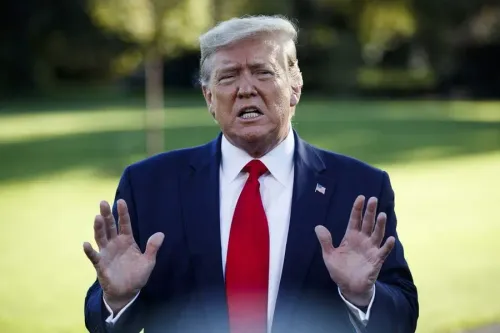
Washington, April 21 (NationPress) The prospects for peace talks between the United States and Iran seem increasingly fragile as Tehran has expressed hesitance to engage in discussions scheduled in Pakistan. Concurrently, President Donald Trump has taken a firm stance, casting doubt on the likelihood of an agreement before the impending ceasefire deadline.
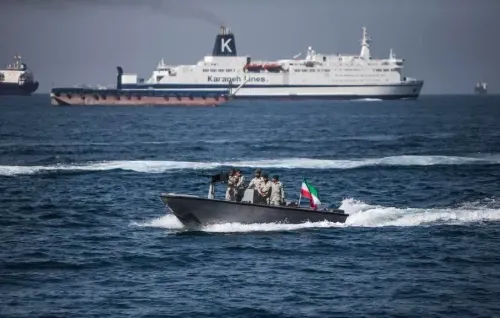
A second round of negotiations, planned for Islamabad, is now in jeopardy as officials from Iran indicated they might withdraw participation following the US's seizure of an Iranian-flagged ship, as reported by The Washington Post.
“At this point, we have not reached any conclusions about the next phase of talks,” stated Esmaeil Baqaei, spokesman for Iran’s Foreign Ministry, during a press briefing on Monday.
The discussions are taking place against the backdrop of a two-week ceasefire between the US and Iran, which is approaching its expiration, thereby intensifying the need for both parties to secure an agreement or risk rekindling hostilities.
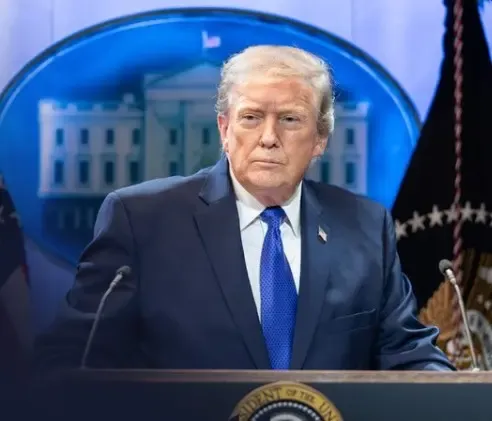
Adding to the confusion, Trump's public remarks and posts on social media have further complicated these sensitive negotiations, according to CNN.
As the weekend drew near, both sides appeared to be nearing a resolution to conclude the seven-week conflict. However, Trump claimed publicly that Iran had consented to critical terms, which officials stated had not been finalized, as noted by CNN.
Iranian officials vehemently refuted these claims, raising questions about the feasibility of continuing negotiations.
“The Iranians were not pleased with POTUS negotiating through social media and suggesting they had agreed to terms they hadn’t,” a source familiar with the talks expressed to CNN.
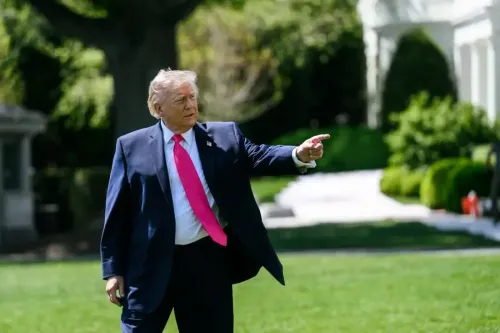
The uncertainty has been exacerbated by inconsistent timelines and mixed signals from Washington. Trump has oscillated between indicating that a deal is near and threatening military action should negotiations fall apart.
According to The Wall Street Journal, Trump is unlikely to prolong the ceasefire beyond Wednesday, increasing the urgency for diplomatic efforts.
Trump has also warned that if Iran does not comply with US demands, it could face strikes targeting vital infrastructure, including bridges and power facilities, per reports.
Nevertheless, Iran has insisted it will not engage in talks under duress. Mohammad Bagher Ghalibaf, Iran’s parliamentary speaker and a principal negotiator, emphasized that Tehran would not accept discussions “under the shadow of threats.”
This standoff highlights a profound mistrust between the two nations, with Iranian officials questioning the US's commitment to diplomacy, even as both sides prepare for potential discussions.
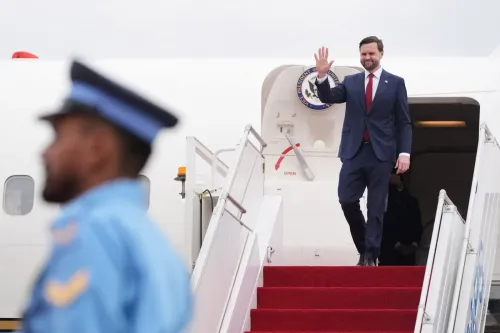
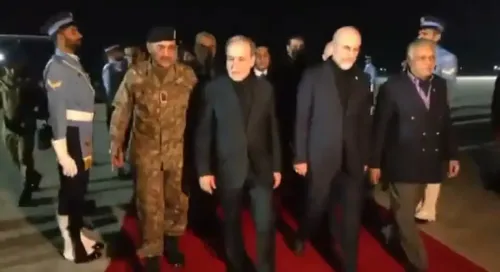
Despite the prevailing uncertainty, US officials have indicated that a delegation is expected to travel to Pakistan, though the timing and attendance remain uncertain.
The outcome of the ongoing discussions could significantly influence regional stability, global energy markets, and international security, particularly given the strategic significance of the Strait of Hormuz.
Point of View
The current situation between the US and Iran underscores a critical moment in international relations. Both sides are caught in a web of mistrust and mixed signals, making the path to diplomacy challenging. The stakes are high, and the potential consequences of failure could reverberate across the globe.
NationPress
16 Sept 2026
Frequently Asked Questions
What prompted the recent tension between the US and Iran?
The tension escalated after the US seized an Iranian-flagged vessel, leading Iran to signal reluctance to engage in peace talks.
What is the significance of the ceasefire deadline?
The ceasefire is crucial as it marks a pivotal point where both sides must either reach an agreement or risk reigniting hostilities.
How has President Trump's stance affected negotiations?
Trump's hardline public statements have complicated negotiations, leading to confusion over whether agreements have been reached.
What are the potential consequences if talks fail?
If negotiations collapse, both nations could face renewed conflict, impacting regional stability and international security.
What role does the Strait of Hormuz play in this situation?
The Strait of Hormuz is a strategic waterway for global oil supply, making stability in this region vital for international energy markets.