US and Iran Engage in Critical Ceasefire Negotiations in Islamabad
Synopsis
As the US and Iran prepare for high-stakes ceasefire talks in Islamabad, both sides are entrenched in deep mistrust and competing demands. With pressure mounting, will they find a resolution to the ongoing conflict? Explore the intricacies of these pivotal discussions.
Key Takeaways
High-stakes negotiations between the US and Iran are set in Islamabad.
Both nations face deep mistrust and conflicting demands.
Iran insists on addressing blocked assets before negotiations.
Pakistan's role as a mediator is crucial for diplomatic efforts.
The situation in the Strait of Hormuz remains a major point of contention.
Washington, April 11 (NationPress) The United States and Iran are entering crucial ceasefire discussions in Islamabad, amidst significant mistrust, conflicting demands, and escalating pressure on both nations to seek a resolution to the ongoing conflict, according to leading American media outlets.
As reported by The Washington Post, the two parties seem to have minimal shared interests beyond their mutual necessity to discover a path away from the war.
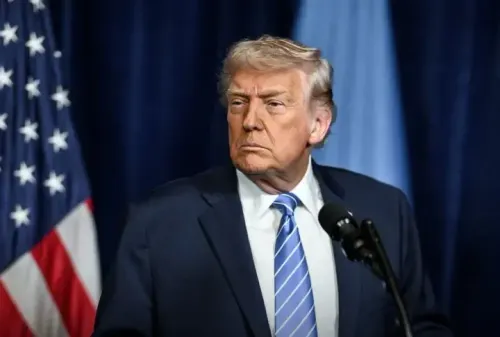
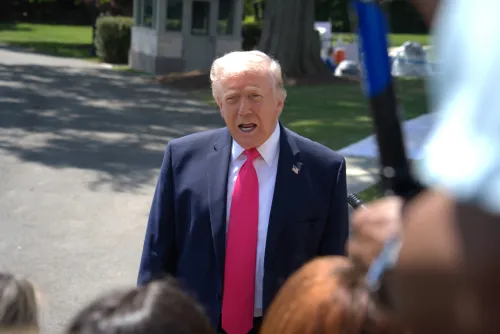
Prior to the negotiations, both parties have accused the other of insincerity. US President Donald Trump characterized Iran's public proposals as a "deception" and accused Tehran of being "dishonourable" for its restrictions on tanker movements through the Strait of Hormuz, according to The Washington Post.
On the other hand, Iran has laid out strict prerequisites. As per The Washington Post and The New York Times, Parliamentary Speaker Mohammad Bagher Ghalibaf stated that issues like the resolution of "frozen assets" must be addressed prior to the commencement of negotiations.
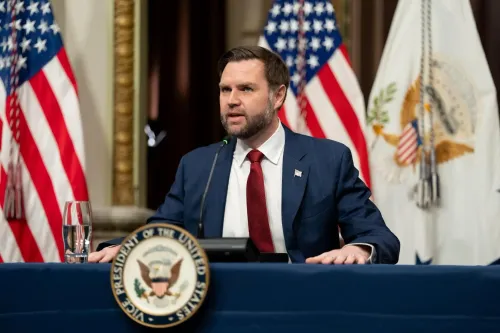
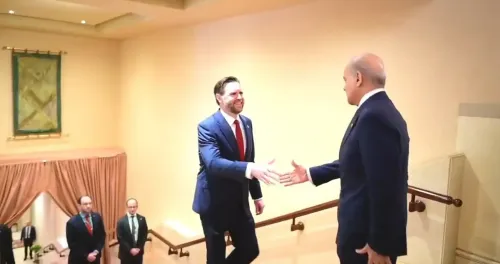
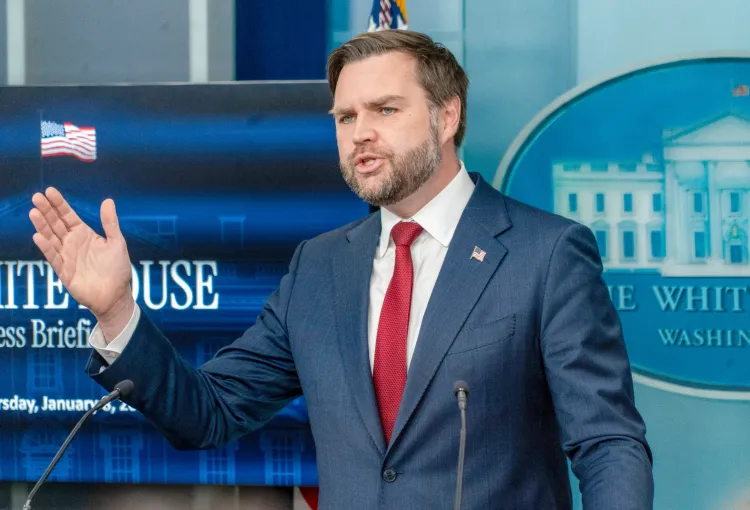
Vice President J.D. Vance, who is at the forefront of the US delegation, aimed to ease tensions. "I believe it’s going to be a positive outcome," he informed reporters, adding that if Iran engages "in good faith, we are definitely ready to extend an open hand," as reported by The Washington Post.
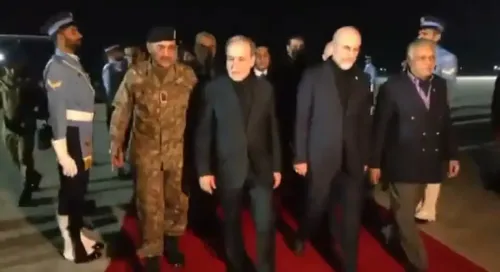
Pakistan is playing host to the negotiations and has positioned itself as a vital intermediary. Prime Minister Shehbaz Sharif referred to the discussions as a "critical moment," according to The Wall Street Journal.
The ongoing talks occur amid a broader regional instability. Although a ceasefire is technically in place, Israeli actions in Lebanon persist, complicating diplomatic attempts, as noted by The Washington Post and The New York Times.
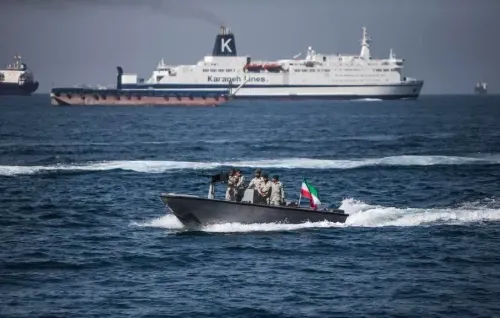
A significant sticking point remains the Strait of Hormuz, an essential global energy passage. Iran has implemented controls mandating that tankers must obtain permission and has begun imposing tolls—a move US officials have labeled as "illegal" and "unacceptable," according to The Washington Post.
This disruption has unsettled global markets and driven oil prices higher. Washington seeks the complete reopening of the strait, while Tehran appears determined to retain its influence over the waterway.
Negotiating positions are significantly divergent. Iran has rebuffed US demands to cease uranium enrichment and limit its missile program, while the US has indicated that any sanctions relief would follow the establishment of a deal, as reported by The Washington Post.
It remains uncertain whether the discussions will proceed directly or through mediation. As highlighted by The Washington Post, the parties may communicate separately while Pakistan transmits messages between them.
For Vance, the stakes are exceptionally high. The Wall Street Journal revealed that Trump has assigned him to lead the negotiations, linking the outcome closely to the Vice President’s political future.
Pakistan's involvement underscores its renewed diplomatic significance. As mentioned by The New York Times, Islamabad played a role in brokering the initial ceasefire and is leveraging its relationships with both Washington and Tehran, despite facing internal economic and security challenges.
The current conflict escalated earlier this year, endangering global energy supplies and involving regional players. A temporary ceasefire was established this week, but its sustainability remains in question as both sides evaluate each other's intentions.
Point of View
Yet deep-seated mistrust and conflicting demands complicate the dialogue. The outcome of these talks could have significant implications for regional and global stability.
NationPress
19 Sept 2026
Frequently Asked Questions
What is the main goal of the US-Iran talks in Islamabad?
The primary aim is to negotiate a ceasefire amid ongoing conflict and address key issues such as the Strait of Hormuz and Iran's nuclear program.
What are Iran's preconditions for negotiations?
Iran demands the resolution of issues like the release of 'blocked assets' before engaging in talks.
What role is Pakistan playing in these negotiations?
Pakistan is serving as a mediator, hosting the talks and facilitating communication between the US and Iran.
What are the implications of the Strait of Hormuz in these discussions?
The Strait of Hormuz is a critical energy route, and Iran's controls over tanker movements have been a major point of contention.
How have global markets reacted to the ongoing conflict?
The conflict has led to increased oil prices and uncertainty in global markets, prompting concerns over energy supply stability.