Uncertainty Surrounds US-Iran Negotiation Format: Insights from Islamabad
Synopsis
As US-Iran talks loom, the exact format remains unclear, with Pakistan ready to mediate. Delegations may stay at the same hotel but avoid direct discussions, complicating diplomatic relations amid rising tensions. What will this mean for regional stability?
Key Takeaways
The format of US-Iran talks is still unclear.
Pakistan is ready to mediate in various ways.
Both nations have accused each other of insincerity.
Iran has set preconditions for negotiations.
Regional stability remains a concern amidst ongoing tensions.
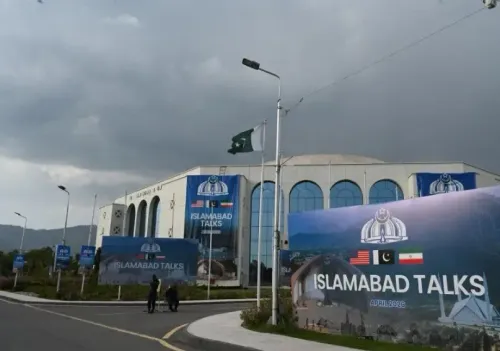
Islamabad, April 11 (NationPress) The structure of discussions between the United States and Iran remains ambiguous, according to a source familiar with the matter who spoke to Xinhua on Saturday.
This source, during a telephone interview with Xinhua, indicated that various setups have been considered for the discussions, encompassing both in-person negotiations and separate room dialogues.
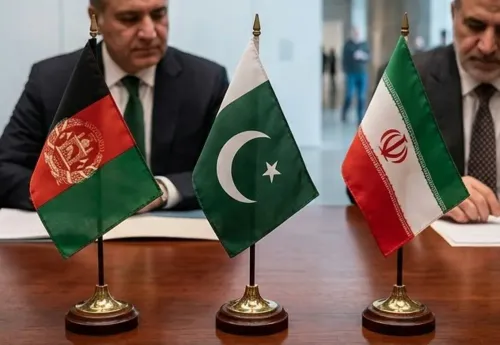
Pakistan is prepared to handle both scenarios, the source mentioned, adding that Islamabad stands ready to either facilitate direct discussions between the two parties or organize distinct locations for their delegations, ensuring messages are conveyed between them.
As reported by Al Jazeera, even though the United States and Iranian delegations are anticipated to lodge at the same hotel in Islamabad, they will not engage in direct conversations. Instead, they are likely to remain in separate rooms as Pakistani officials communicate between them.
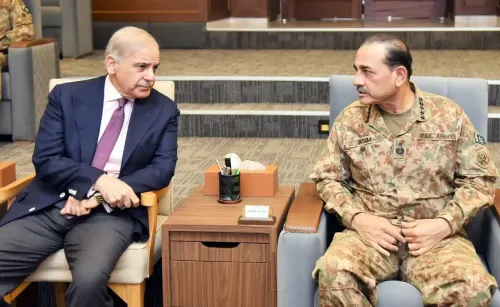
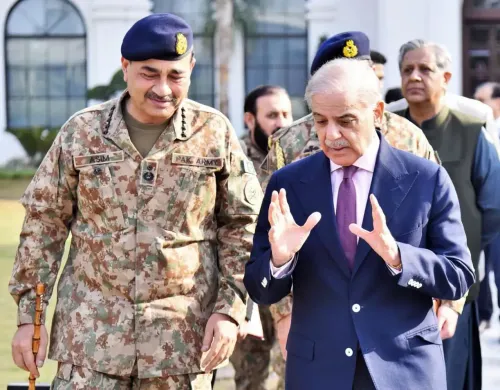
Earlier this week, Pakistani Deputy Prime Minister and Foreign Minister Ishaq Dar informed the Senate that Pakistan's role is to assist in bringing the United States and Iran to the table in Islamabad to address their issues, but Pakistan will not attempt to sway either party.
According to The Washington Post, both parties appear to have minimal common ground aside from their mutual necessity to find a way out of the conflict.
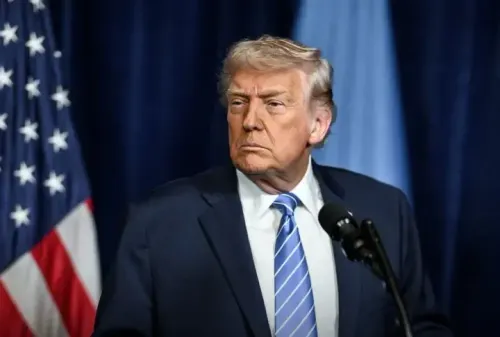
In the lead-up to the discussions, both nations have accused one another of insincerity. US President Donald Trump labeled Iran's public proposals as a "hoax" and criticized Tehran for being "dishonourable" in restricting tanker movements through the Strait of Hormuz, as reported by The Washington Post.
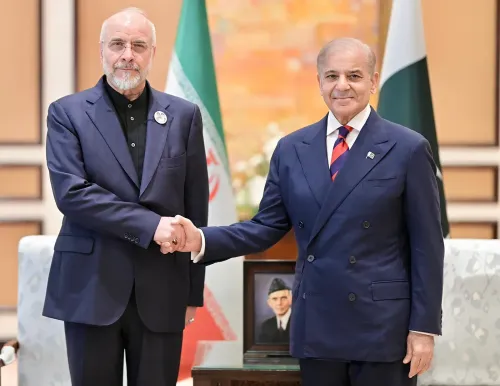
On the other hand, Iran has laid down strict preconditions. According to reports from The Washington Post and The New York Times, Parliamentary Speaker Mohammad Bagher Ghalibaf stated that issues such as the release of "blocked assets" must be settled before talks commence.
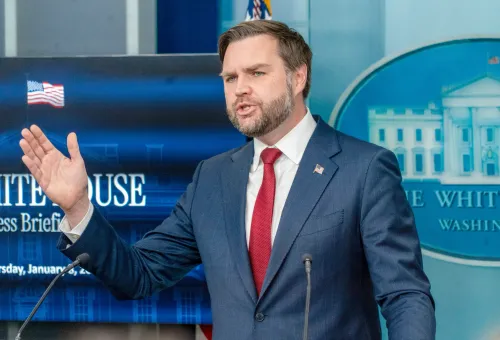
Vice President J.D. Vance, who is leading the US delegation, aimed to ease tensions. "I anticipate a positive outcome," he told reporters, adding that if Iran negotiates "in good faith, we're certainly willing to extend an open hand," according to The Washington Post.
The discussions occur amidst a broader regional instability. While a ceasefire is nominally in effect, Israeli operations in Lebanon persist, further complicating diplomatic efforts, according to The Washington Post and The New York Times.
Point of View
The potential for US-Iran negotiations offers a glimmer of hope for resolving longstanding tensions. However, the uncertainty surrounding the format of these discussions raises concerns about the effectiveness of diplomatic efforts. A careful approach by Pakistan, aiming to maintain neutrality while facilitating dialogue, is essential in fostering a conducive environment for peace.
NationPress
19 Sept 2026
Frequently Asked Questions
What is the current status of US-Iran talks?
The format of the US-Iran talks remains uncertain, with potential arrangements for both face-to-face discussions and separate room dialogues.
What role is Pakistan playing in these negotiations?
Pakistan is prepared to facilitate either direct talks or arrange separate venues for the delegations, ensuring effective communication.
What preconditions has Iran set for negotiations?
Iran has stated that issues like the release of blocked assets must be resolved before negotiations can commence.
How have the US and Iran responded to each other ahead of talks?
Both countries have accused each other of acting in bad faith, with US President Trump criticizing Iran's proposals and actions.
What is the overall regional context of these talks?
The talks occur amid ongoing regional instability, with a ceasefire in place but Israeli operations complicating diplomatic efforts.