Doubts Cast on US-Iran Peace Talks Following Ship Seizure
Synopsis
The recent seizure of an Iranian cargo ship by the US has cast doubt on upcoming US-Iran peace talks in Pakistan, with Tehran signaling a potential withdrawal. Both nations are on edge as a fragile ceasefire looms, and key issues remain unresolved.
Key Takeaways
US-Iran negotiations are in doubt due to the US's seizure of an Iranian cargo ship.
Tehran may skip the talks planned in Pakistan, citing excessive demands from the US.
Key issues include uranium stockpiles and the Strait of Hormuz.
The ceasefire is set to expire soon, with both sides accusing violations.
Mediation efforts continue despite the ongoing tensions.
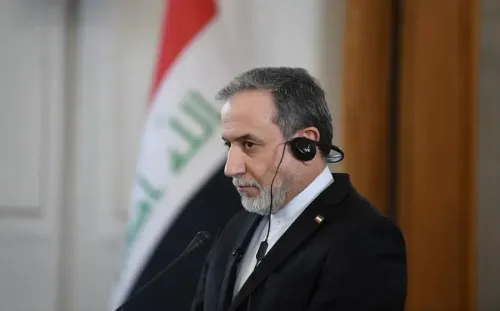
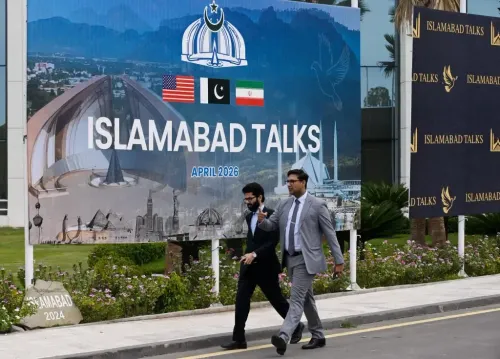
Washington, April 20 (NationPress) The prospects for a new round of US-Iran negotiations faced increased uncertainty on Monday following the US's seizure of an Iranian-flagged cargo ship, leading Tehran to indicate it might withdraw from the upcoming talks scheduled in Pakistan.
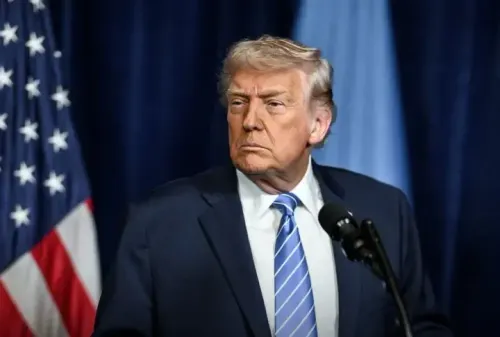
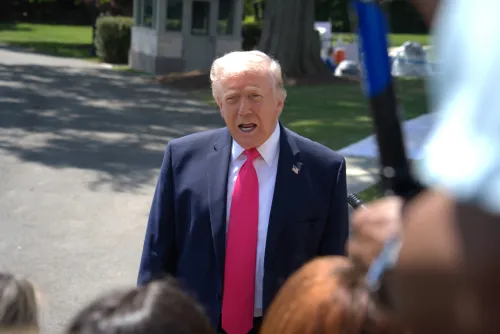
US President Donald Trump announced that American delegates would head to Islamabad this week for discussions. However, Iranian officials delivered mixed messages, with state media hinting that Iran could opt out of the negotiations due to Washington’s “excessive demands,” as reported by The Wall Street Journal.
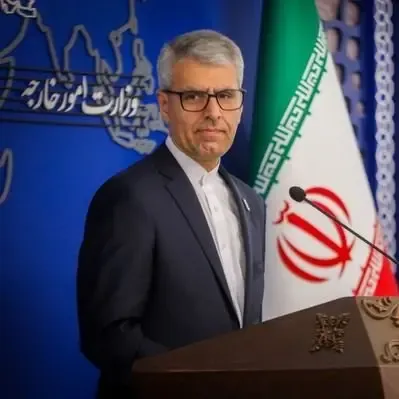
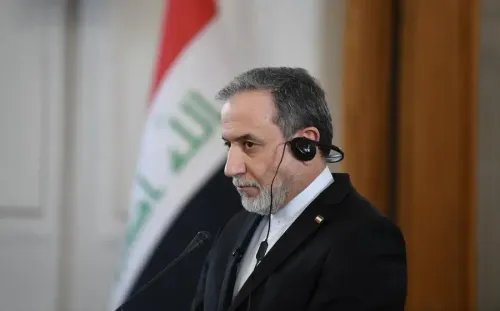
Esmaeil Baqaei, spokesperson for Iran’s foreign ministry, stated that the nation has “no plans for the next round of negotiations,” emphasizing, “We don’t believe in deadlines or ultimatums to safeguard Iran’s national interests,” according to CNN.
This diplomatic turmoil follows a significant escalation in the Gulf of Oman, where US forces engaged and seized an Iranian cargo vessel after it allegedly attempted to violate a naval blockade, CNN noted.
Tehran condemned this action, labeling it as “maritime highway robbery” and warned of a potential response. The state-linked Tasnim agency reported that Iran would take necessary measures once the “safety of the families and crew of the vessel” is assured, according to CNN.
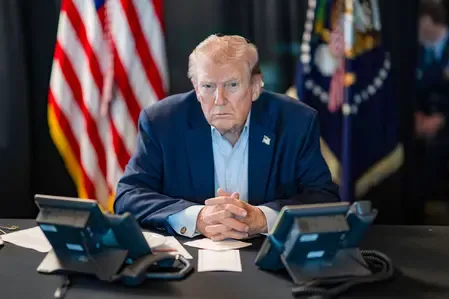
Trump maintained a firm stance, stating: “We’re offering a very fair and reasonable DEAL, and I hope they take it because, if they don’t, the United States is going to knock out every single Power Plant, and every single Bridge, in Iran.”
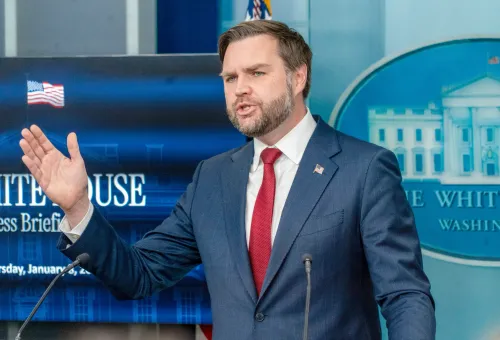
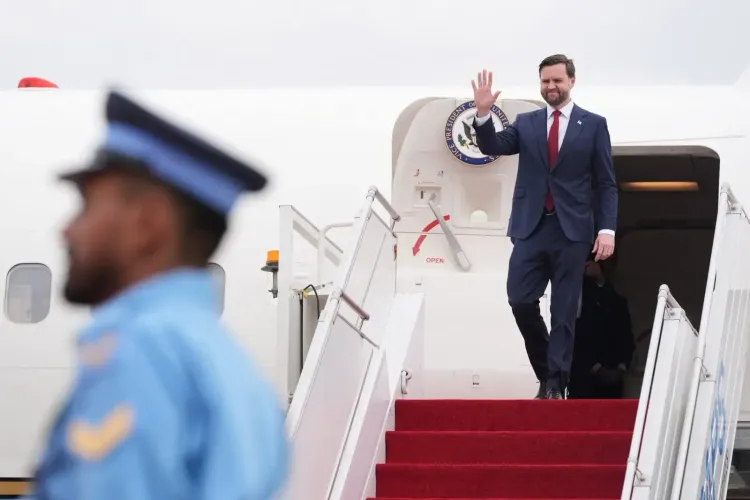
If negotiations proceed, US Vice President JD Vance, special envoy Steve Witkoff, and Jared Kushner are expected to be part of the American delegation.
Nevertheless, Tehran has made its participation in talks contingent on the lifting of the US naval blockade, which it views as a violation of the ceasefire, with Iranian state media suggesting that discussions may not continue under the current circumstances, per CNN.
The ceasefire itself is precarious and set to expire on Wednesday, with both sides accusing one another of violations, according to The Washington Post.
Despite the uncertainty, mediation efforts are ongoing. Pakistani authorities have heightened security in Islamabad, preparing for potential talks, as reported by The Wall Street Journal.
Key contentious issues include Iran’s uranium reserves and the status of the Strait of Hormuz, a crucial energy transit route that has faced disruptions in recent weeks, according to CNN.
In a more conciliatory tone, Iranian President Masoud Pezeshkian remarked that war “benefits no one,” highlighting the need to utilize “every rational and diplomatic path to de-escalate tensions,” as stated by CNN.
For decades, the United States and Iran have experienced tensions characterized by sanctions, military confrontations, and sporadic diplomatic efforts. Past negotiations have often coincided with ground escalations.
The Strait of Hormuz remains pivotal to the conflict, carrying a significant share of global oil supplies, making any disruption a global concern.
Point of View
The recent seizure of an Iranian vessel intensifies the uncertainty surrounding upcoming negotiations. Both nations must carefully navigate this precarious situation to avoid further conflict.
NationPress
18 Sept 2026
Frequently Asked Questions
What prompted the uncertainty in US-Iran talks?
The uncertainty arose after the US seized an Iranian-flagged cargo ship, leading Tehran to consider skipping upcoming negotiations.
What are the key issues in the negotiations?
Key issues include Iran's uranium stockpiles and the status of the Strait of Hormuz.
What is the current status of the ceasefire?
The ceasefire is fragile and set to expire soon, with both sides accusing each other of violations.
Who are the key figures involved in the US delegation?
The US delegation is expected to include Vice President JD Vance, special envoy Steve Witkoff, and Jared Kushner.
What has Iran stated regarding US demands?
Iran has expressed that it does not believe in deadlines or ultimatums to secure its national interests.