Iran's Pezeshkian: Tehran open to dialogue, rejects US pressure demands
Synopsis
Iran's President Pezeshkian has drawn a hard line: dialogue yes, surrender no. With Iraq offering to mediate and peace talks in Islamabad having already collapsed, Tehran's rejection of US maximum pressure as a precondition for negotiations signals that a diplomatic breakthrough remains elusive — even as the region navigates a fragile post-ceasefire order.
Key Takeaways
Iranian President Masoud Pezeshkian told Iraqi PM-Designate Ali al-Zaidi on Tuesday that Tehran is open to dialogue within international law but will not yield to force.
Pezeshkian called the US expectation of negotiations under maximum pressure an "impossible equation." Iran insists on its right to nuclear technology and says it has consistently offered full transparency within international monitoring frameworks.
Iraq offered to mediate between Iran and the United States to help contain regional crises.
A ceasefire between warring sides was reached on 8 April ; peace talks in Islamabad on 11–12 April ended without an agreement.
Both sides agreed to exchange official visits to strengthen Iran-Iraq bilateral ties.
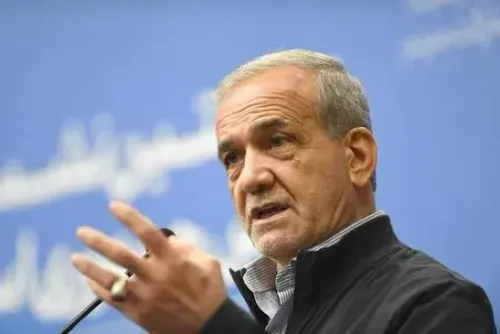
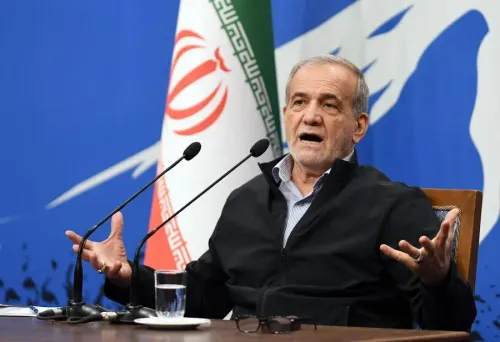
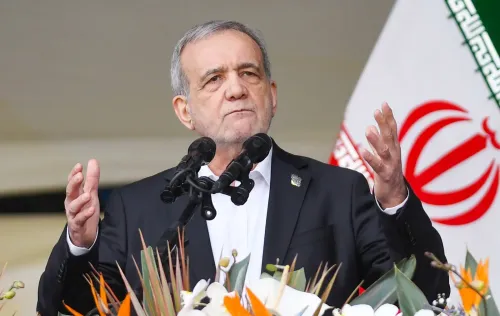
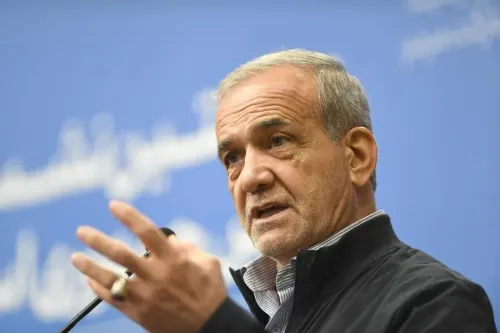
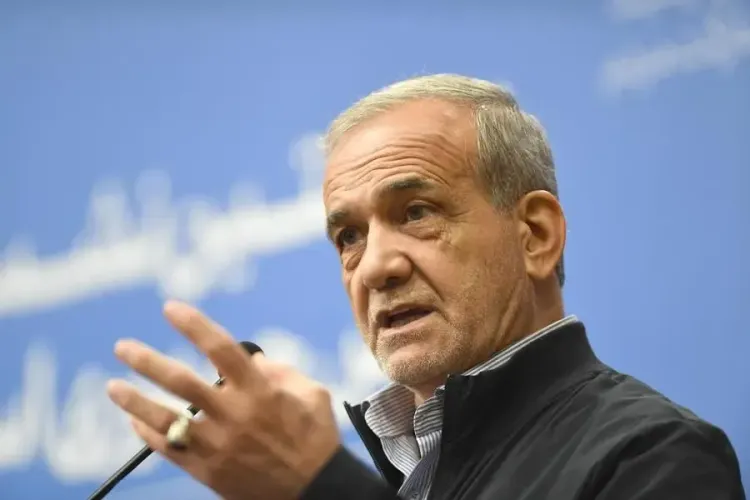
Iranian President Masoud Pezeshkian declared on Tuesday that Tehran is prepared for dialogue within the framework of international law but will not yield to force, during a phone call with Iraqi Prime Minister-Designate Ali al-Zaidi. The call, confirmed by statements from both leaders' offices, comes amid ongoing regional tensions following a ceasefire reached on 8 April.
Iran's Position on US Pressure
Pezeshkian stated that Washington is simultaneously pursuing a policy of maximum pressure against Iran while expecting Tehran to come to the negotiating table and ultimately surrender to unilateral demands. "Such an equation is impossible," read a statement published by Pezeshkian's office. He stressed that Iran fundamentally does not consider war and insecurity to be favourable options, according to Xinhua news agency.
Nuclear Technology at the Core
The Iranian president underscored that Iran must not deprive itself of nuclear technology, arguing that the United States speaks as though Iran must not possess a nuclear industry at all. He contended that Washington imposes extra pressure by putting forward what he described as excessive demands. Pezeshkian added that in all previous negotiations, Iran was fully prepared to provide — within the framework of international regulations and global monitoring — whatever was necessary under international norms to ensure the peaceful nature of its nuclear activities.
Iraq's Offer to Mediate
Al-Zaidi, for his part, voiced Iraq's readiness to act as a mediator between Iran and the United States to help contain regional crises, according to a statement from his media office. The two leaders also agreed to exchange official visits in the coming period to strengthen bilateral ties, the Iraqi statement noted.
Regional Context and Background
The call takes place against a volatile regional backdrop. On 28 February, Israel and the United States reportedly launched joint attacks on Tehran and other Iranian cities, killing Iran's then Supreme Leader Ali Khamenei, senior commanders, and civilians, according to reports. Iran responded with waves of missile and drone strikes targeting Israel and US bases and assets across the Middle East. A ceasefire was subsequently reached on 8 April, followed by peace talks held in Islamabad, Pakistan on 11 and 12 April, which concluded without an agreement. With diplomatic channels still fragile and no formal deal in place, Iraq's proposed mediation role could prove pivotal in the weeks ahead.
Point of View
Capitulation no — is not new Iranian rhetoric, but the context has shifted dramatically. With Khamenei reportedly killed in February and a ceasefire holding only since April, Tehran is negotiating from a position of internal upheaval while projecting outward resolve. The collapse of Islamabad talks without an agreement suggests neither side has yet found a face-saving formula. Iraq's mediation offer is significant but historically limited in leverage — Baghdad has played this role before with modest results. The real variable is whether Washington is willing to ease maximum pressure as a confidence-building step, or whether it views pressure as the only language Tehran responds to. That strategic deadlock, not goodwill statements, is what will define the next phase.
NationPress
23 Sept 2026
Frequently Asked Questions
What did Iranian President Pezeshkian say about US-Iran negotiations?
Pezeshkian said Iran is ready for dialogue within the framework of international law but will not surrender to unilateral US demands made under a policy of maximum pressure. He called the expectation of negotiations under such conditions an "impossible equation."
What is Iran's stance on nuclear technology?
President Pezeshkian stressed that Iran must not deprive itself of nuclear technology, arguing that the US is imposing excessive demands as if Iran cannot have a nuclear industry at all. He said Iran has always been willing to allow international monitoring to verify the peaceful nature of its nuclear activities.
Why is Iraq offering to mediate between Iran and the US?
Iraqi Prime Minister-Designate Ali al-Zaidi voiced Iraq's readiness to mediate between Iran and the United States to help contain regional crises, according to his media office. Iraq has historically positioned itself as a diplomatic bridge between Tehran and Washington given its close ties with both.
What happened at the Islamabad peace talks in April?
Peace talks were held in Islamabad, Pakistan on 11 and 12 April following a ceasefire reached on 8 April, but the negotiations ended without an agreement. The breakdown has left the regional diplomatic situation unresolved.
What was the background to the current Iran-US tensions?
According to reports, on 28 February, Israel and the United States launched joint attacks on Tehran and other Iranian cities, reportedly killing then Supreme Leader Ali Khamenei and other officials. Iran responded with missile and drone strikes on Israeli and US targets across the Middle East before a ceasefire was reached in April.