CM Shivakumar Inaugurates 11th National OBC Mahasangh Convention in Bengaluru
Synopsis
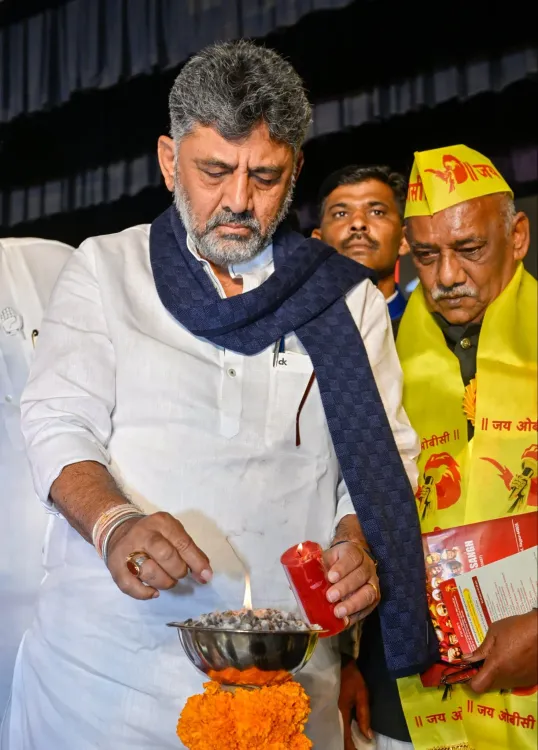
Chief Minister D.K. Shivakumar inaugurated the 11th National Mega Convention of the Rashtriya OBC Mahasangh at Bengaluru City University on August 7, 2026, reaffirming Karnataka's pledge to social justice and Backward Classes empowerment before a gathering of senior Congress and OBC leaders.
Key Takeaways
Shivakumar inaugurated and addressed the 11th National Mega Convention of the Rashtriya OBC Mahasangh on August 7, 2026 .
The event was held at Jnana Jyothi Auditorium, Dr.
Manmohan Singh Bengaluru City University .
Shivakumar reaffirmed the government's commitment to social justice, inclusive development, and Backward Classes empowerment .
Senior leaders present included B.K.
Hariprasad (KPCC President) and H.M.
Revanna (Guarantee Schemes Implementation Committee Chairman).
India's OBC reservation framework is rooted in the Mandal Commission's 1990 recommendations , which mandated 27% reservation in central government jobs and education.
The convention takes place amid growing national momentum around a caste census and potential OBC quota revisions.
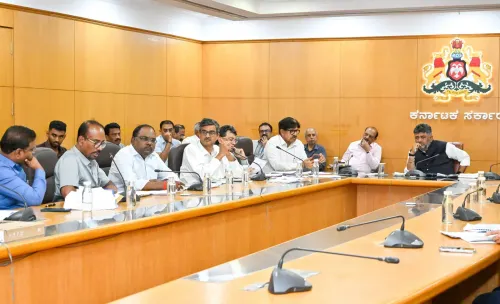
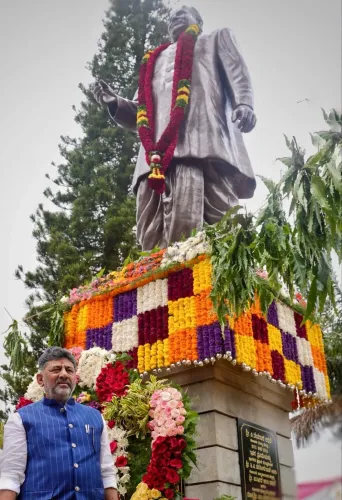
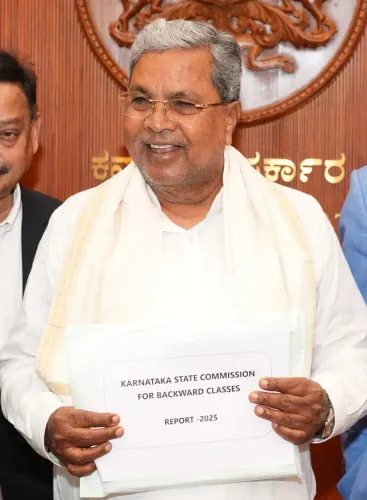
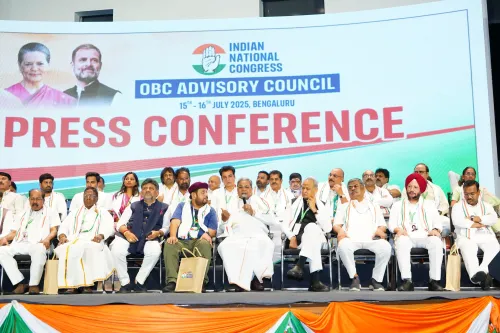
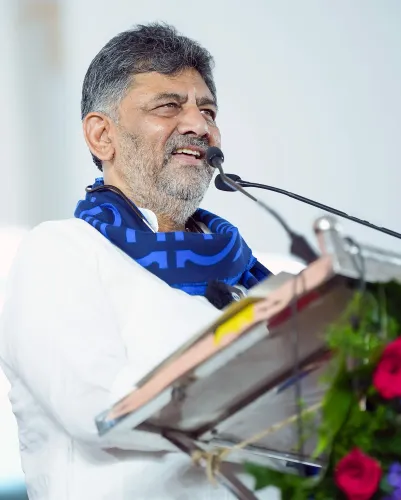
At the Jnana Jyothi Auditorium of Dr. Manmohan Singh Bengaluru City University, Chief Minister D.K. Shivakumar on Friday, August 7, 2026, inaugurated the 11th National Mega Convention of the Rashtriya OBC Mahasangh — a national conclave that brought together Other Backward Classes leaders from across the country to press their case for social equity and stronger representation.
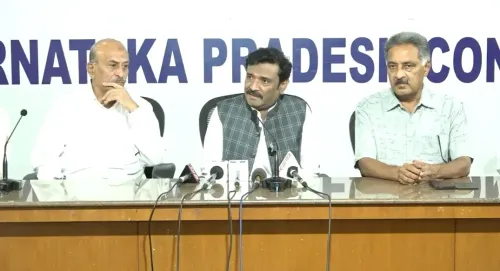
Addressing the gathering, Shivakumar reaffirmed the Karnataka government's commitment to social justice, inclusive development, and the empowerment of Backward Classes. The convention was attended by Dr. Babanrao Taywade, President of the Rashtriya OBC Mahasangh; B.K. Hariprasad, Karnataka Pradesh Congress Committee President; and H.M. Revanna, Chairman of the Guarantee Schemes Implementation Committee — a lineup that underscored both the political weight and the organisational depth behind the event.
The Rashtriya OBC Mahasangh and its national platform
The Rashtriya OBC Mahasangh is one of India's prominent national bodies representing OBC communities, channelling demands for reservation enforcement, welfare funding, and political representation. Conventions like this one function as pressure platforms — where community leaders extract public commitments from sitting governments and calibrate the political temperature ahead of budget cycles and legislative sessions.
The choice of Dr. Manmohan Singh Bengaluru City University as the venue carries its own symbolism: a public institution renamed after the former Prime Minister who presided over a period of significant welfare expansion, now hosting a convention that pushes for the next chapter in OBC uplift.
Karnataka's OBC commitments in the Mandal lineage
India's OBC reservation framework traces its modern shape to the Mandal Commission recommendations implemented in 1990, which introduced 27% reservation in central government jobs and education. Karnataka's own Backward Classes Commission reports — dating to the 1970s — have since shaped successive state-level policies for OBC welfare, from scholarships to local body representation.
The Congress administration in Karnataka has leaned into this lineage, pairing guarantee schemes — free power, subsidised food, women's cash transfers — with targeted outreach to backward class organisations. Revanna's presence as Chairman of the Guarantee Schemes Implementation Committee signals that the government is keen to show OBC communities a direct line between political promises and programme delivery.
With national conversations around an updated caste census and potential OBC quota revisions gaining momentum, Karnataka's ruling party has every incentive to be seen at the front of this movement — not trailing it.
Point of View
State governments are racing to position themselves as credible champions of the community. The presence of KPCC President Hariprasad and Guarantee Schemes chief Revanna alongside the CM signals a unified party front on OBC outreach, not a solo act. How the government translates these platform commitments into budget allocations and legislative action will determine whether this convention is remembered as a turning point or a talking point.
NationPress
7 Aug 2026
Frequently Asked Questions
What is the Rashtriya OBC Mahasangh?
The Rashtriya OBC Mahasangh is a national-level organisation representing Other Backward Classes communities across India, advocating for reservation enforcement, welfare schemes, and greater political representation for OBC groups.
Where was the 11th National Mega Convention held?
The convention was held at the Jnana Jyothi Auditorium, Dr. Manmohan Singh Bengaluru City University, in Bengaluru, Karnataka.
What did CM Shivakumar announce at the OBC convention?
CM D.K. Shivakumar reaffirmed the Karnataka government's commitment to social justice, inclusive development, and the empowerment of Backward Classes. Specific new policy announcements from the event have not been independently verified.
Who attended the Rashtriya OBC Mahasangh convention in Bengaluru?
Key attendees included Dr. Babanrao Taywade (President, Rashtriya OBC Mahasangh), B.K. Hariprasad (KPCC President), H.M. Revanna (Chairman, Guarantee Schemes Implementation Committee), and OBC leaders from across the country.
What is Karnataka's history with OBC reservation policies?
Karnataka's Backward Classes Commission, active since the 1970s, has shaped state-level OBC reservation and welfare policy. Nationally, the Mandal Commission's 1990 recommendations established 27% OBC reservation in central government jobs and education, forming the backbone of India's OBC policy framework.