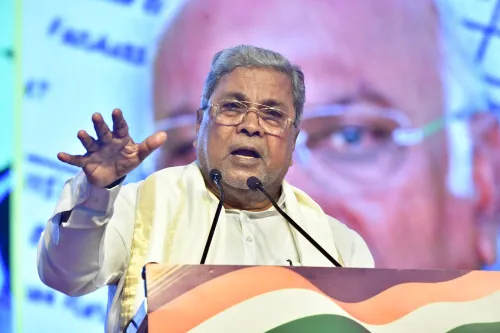
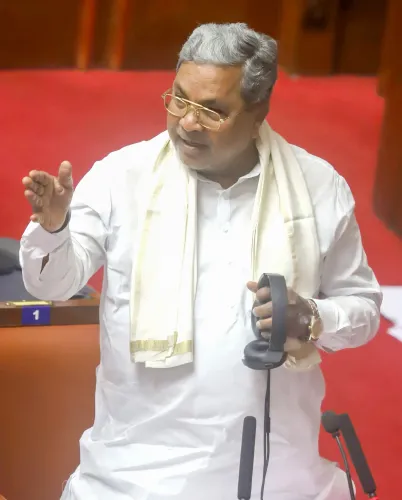
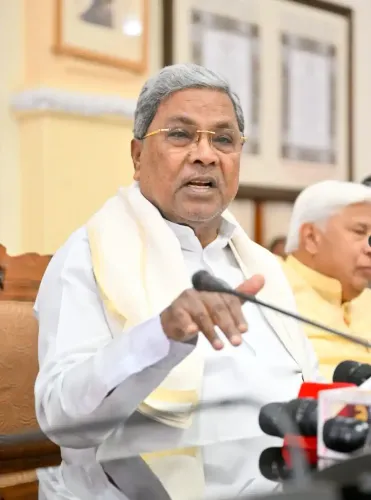
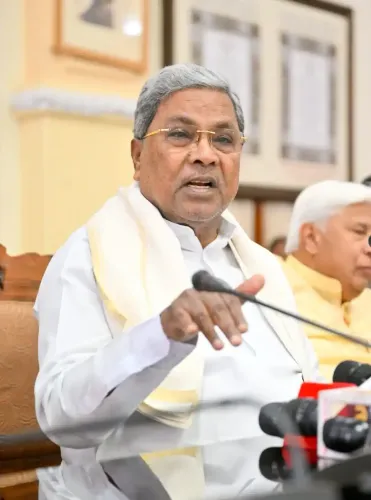
CM Siddaramaiah receives OBC survey report from Karnataka panel
Synopsis
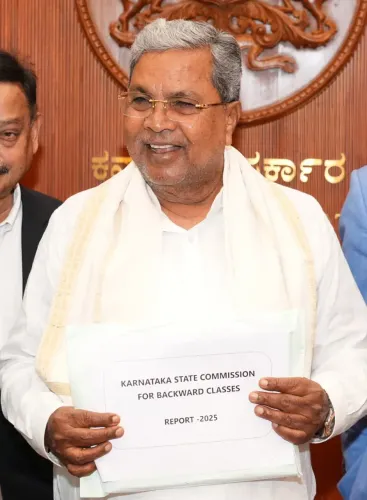
Chief Minister Siddaramaiah on 27 May 2026 received the Social and Educational Survey Report from the Karnataka State Backward Classes Commission, a document that could reshape OBC reservation and welfare policy across the state backed by fresh empirical data.
Key Takeaways
CM Siddaramaiah formally received the 'Social and Educational Survey Report' from the Karnataka State Backward Classes Commission on 27 May 2026 .
The report was submitted by Commission Chairman Madhusudhan R.
Naik and is intended to provide empirical data for revising backward-class reservation and welfare policies.
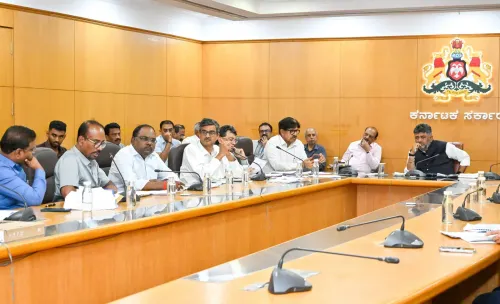
Five cabinet ministers, two legislators, the CM's legal adviser, and multiple commission members attended the handover, reflecting the document's political significance.
Karnataka had attempted a similar caste survey in 2015 , but those findings were never publicly released due to legal and political disputes.
The report is expected to face legal scrutiny; its findings could affect education admissions, government job quotas, and welfare scheme eligibility for OBC communities across Karnataka .
A cabinet discussion and possible public release of findings are anticipated as the next steps in the policy process.
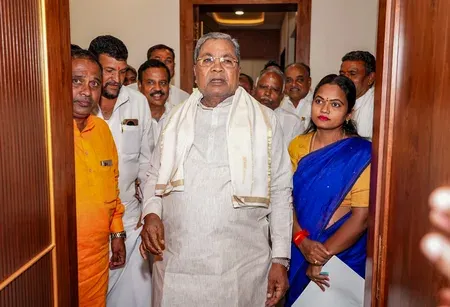
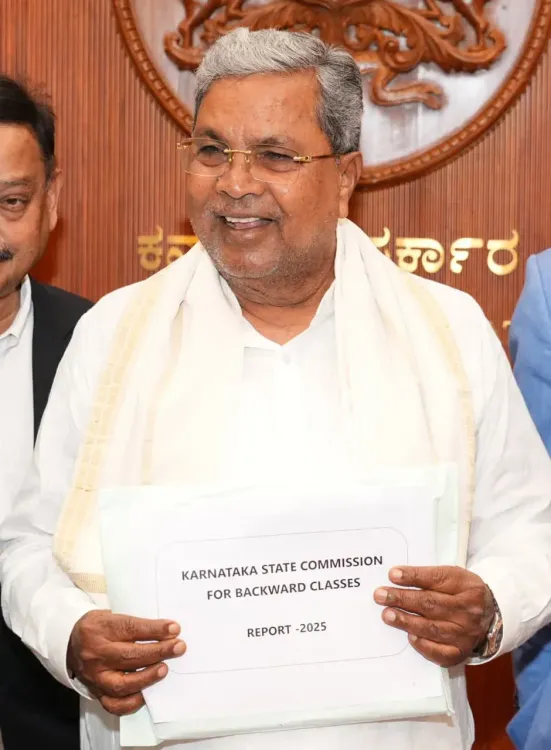
Chief Minister Siddaramaiah on Wednesday, 27 May 2026 received the 'Social and Educational Survey Report' prepared by the Karnataka State Backward Classes Commission, in what marks a significant step toward evidence-based revision of backward-class welfare and reservation policy in the state.
The official post by the Chief Minister's Office of Karnataka announced that CM Siddaramaiah formally accepted the report, which was submitted by Commission Chairman Madhusudhan R. Naik along with commission members and senior officials. The handover was attended by a broad cross-section of ministers, legislators, legal advisers, and commission experts.
Context
The report is the product of a statewide 'Social and Educational Survey' — Samajika mattu Shaikshanika Samiksha Varade — commissioned to collect fresh empirical data on caste, education, and socio-economic status across Karnataka. Such surveys are designed to generate the quantifiable evidence that courts have increasingly demanded before states can alter or defend reservation percentages under Articles 15(4) and 16(4) of the Constitution.
Karnataka had commissioned an earlier comprehensive caste and socio-economic survey in 2015, but the full findings were never publicly released, caught in legal disputes and political disagreements. The new survey represents a fresh attempt to build a defensible empirical foundation for backward-class policy.
Policy Backdrop
The submission was attended by ministers Shivaraj Tangadagi, H.C. Mahadevappa, M.C. Sudhakar, Satish Jarkiholi, and Chalurayaswamy, alongside legislators Konareddy and Narendraswamy. CM Siddaramaiah's legal adviser Ponnanna was also present, signalling the legal scrutiny the report is expected to face.
Commission members Shivannagowda, Chandrappa Yadav, Pratibha Kulayi, Dr. C.M. Kundagol, and Dr. G.N. Srikantaiah, together with Member Secretary Dayanand, Administrative Secretary Urmila B, and Special Adviser D.N. Naik, were among the officials present. The wide official attendance underscores the political and administrative weight attached to the document.
Across India, multiple states have renewed efforts to generate updated backwardness data in response to judicial scrutiny of Mandal-era reservation frameworks. Karnataka's exercise fits within this broader national pattern of states seeking fresh empirical grounding for their Other Backward Classes (OBC) policies.
Stakeholders and Impact
The report directly concerns OBC and backward-class communities across Karnataka, who stand to see their reservation entitlements and welfare scheme access revised based on its findings. Civil society groups and community organisations have long demanded updated data, arguing that decades-old statistics no longer reflect ground realities.
The presence of senior ministers from multiple portfolios suggests the government intends to act on the report's recommendations across departments — potentially affecting education admissions, government employment quotas, and targeted welfare scheme eligibility.
What's Next
The government is now expected to deliberate on whether to make the report's findings public and what legislative or executive orders may follow. Any revision to Karnataka's backward-class reservation lists or the introduction of new welfare schemes will require the report to withstand legal challenge, making the quality of its methodology and data a critical factor.
Observers will watch closely for a formal cabinet discussion, possible tabling of findings before the state legislature, and any community-specific recommendations that could reshape the political landscape ahead of future elections in Karnataka.
Point of View
But the ghost of the unreleased 2015 survey will shadow every step — communities and courts alike will demand transparency. Nationally, this fits a pattern of state governments racing to produce fresh backwardness data to pre-empt judicial invalidation of reservation orders, making Karnataka a test case for how empirical surveys translate into durable policy. The real measure of the exercise will be whether the findings are made public and whether they withstand the inevitable legal challenges.
NationPress
11 Oct 2026
Frequently Asked Questions
What is the Karnataka Social and Educational Survey Report?
It is a comprehensive statewide survey report prepared by the Karnataka State Backward Classes Commission to collect empirical data on caste, education, and socio-economic status, intended to inform revision of OBC reservation and welfare policies.
Why did CM Siddaramaiah receive this report?
As Chief Minister, Siddaramaiah formally accepted the report from the Backward Classes Commission on 27 May 2026, initiating the government's process of reviewing and potentially acting on its recommendations for OBC welfare and reservation policy.
What happened to Karnataka's earlier caste survey from 2015?
Karnataka commissioned a comprehensive caste and socio-economic survey in 2015, but its full findings were never publicly released due to ongoing legal disputes and political disagreements.
Who heads the Karnataka State Backward Classes Commission?
The Commission is chaired by Madhusudhan R. Naik, who led the preparation of the Social and Educational Survey Report and presented it to CM Siddaramaiah.
What could change for OBC communities based on this report?
The report's findings could lead to revisions in Karnataka's backward-class reservation lists, changes to government job and education quotas, and adjustments to welfare scheme eligibility for OBC communities across the state.