CM Siddaramaiah grants pre-approval for OBC halls worth Rs 71.85 crore
Synopsis
Karnataka CM Siddaramaiah announced preliminary sanction of Rs 71.85 crore for community halls and hostels for 155 OBC organisations, clarifying that the Kuruba community received more approvals due to higher application numbers, not deliberate bias. Funds will be released in three stages after document verification.
Key Takeaways
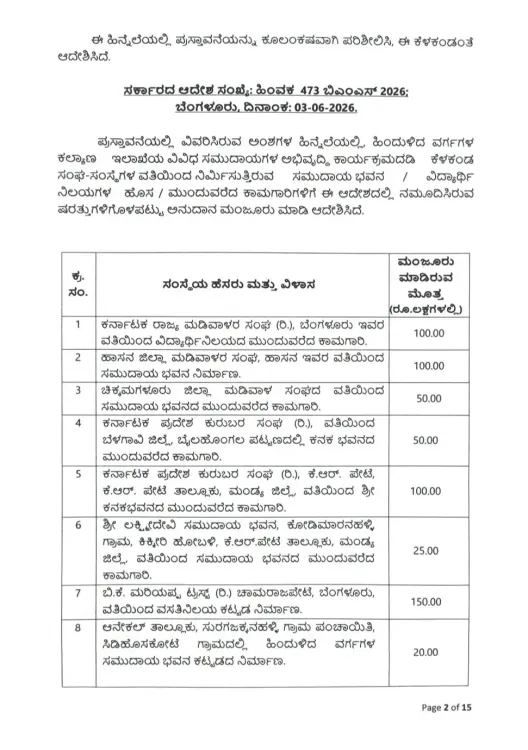
The Backward Classes Welfare Department has issued pre-approval orders worth Rs 71.85 crore for construction of community halls and student hostels.
Approximately 155 backward class organisations have received preliminary sanction; this is not the final beneficiary list.
Communities covered include Kuruba, Madivala, Lingayit, Okkaligas, Besta, Balija, Golla and others across Karnataka.
Grants will be released in three stages after annual review of construction progress, with organisations required to submit land documents, building licences and three-year audit reports via District Collectors.
70 per cent of funds are allocated to Categories 1 and 2A communities; 30 per cent to Categories 3A and 3B.
CM Siddaramaiah clarified that higher Kuruba approvals reflect a higher volume of applications, and remaining petitions will be processed in coming rounds.
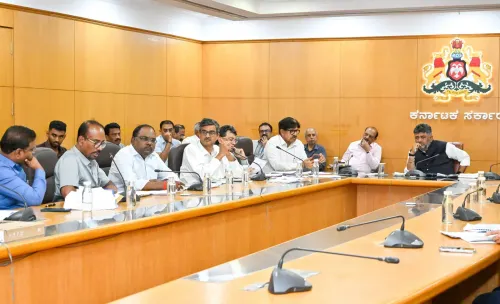
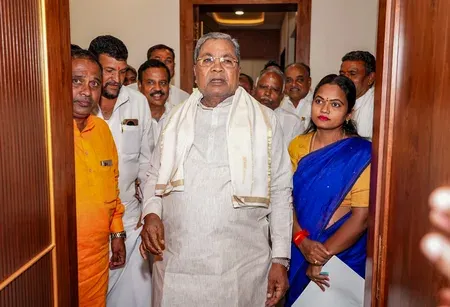
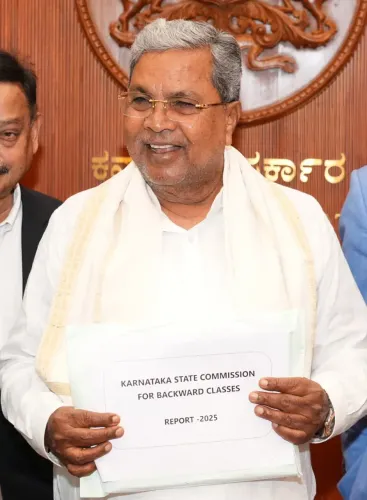
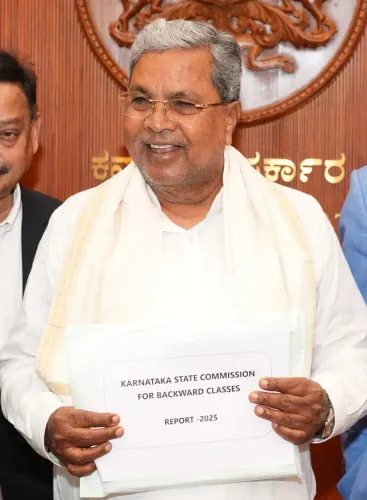
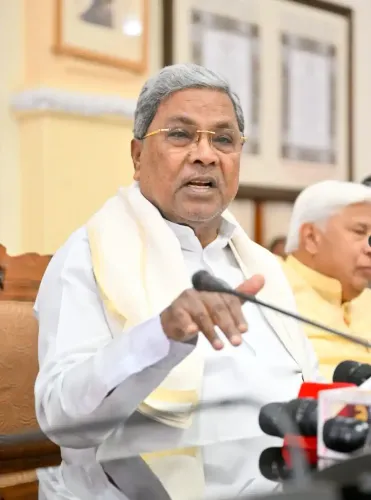
Karnataka Chief Minister Siddaramaiah on Thursday, 11 June 2026 announced that the state's Backward Classes Welfare Department has granted preliminary sanction of Rs 71.85 crore for the construction of community halls and student hostels for approximately 155 backward class organisations across the state.
Context
Posting in Kannada on X, Siddaramaiah clarified that this preliminary order is not a final beneficiary list and does not constitute a grant release. He wrote that the department reviewed petitions submitted by various backward class associations and issued pre-approval orders for the construction of community halls (samudaya bhavana) and student hostels (vidyarthi nilaya).
The Chief Minister was explicit that the Kuruba community received a higher share of approvals not due to deliberate favouritism, but because it submitted a larger number of applications. 'The Kuruba community received more grants only because petitions from that community were higher in number — no intentional discrimination of any kind has been done,' he stated.
Which communities are covered
The preliminary orders cover infrastructure for a wide range of backward communities. Alongside the Kuruba, the list includes Madivala, Lingayat, Okkaligas, Besta, Balija, Golla, Jetti, Kumbara, Arasu, Helava, Savita Samaja, Uppara, Ganika, Kuruhina Shetty, Halakki and Reddy communities.
Siddaramaiah also stated that petitions from other backward castes not yet covered remain under review and grants will be released for them in the coming days, making clear this is a rolling process.
Policy backdrop and fund-release procedure
The Chief Minister outlined a structured, three-stage disbursement process. Organisations seeking actual grant release must submit land or site documents registered in their name, a building licence from the local municipality or panchayat, and a three-year audit report — all routed through the respective district's District Collector to the Backward Classes Welfare Department.
Under government guidelines, 70 per cent of the sanctioned funds are earmarked for communities falling under Categories 1 and 2A, while the remaining 30 per cent goes to communities in Categories 3A and 3B. Siddaramaiah explained that because Categories 1 and 2A encompass a larger number of castes, some communities within those categories have received proportionally higher allocations. Funds are to be released annually after physical progress of construction is reviewed each year.
This category-wise split mirrors Karnataka's existing OBC reservation and funding norms, which are designed to prioritise communities assessed as relatively more backward. The Backward Classes Welfare Department has been administering similar community infrastructure schemes since the 1990s, and the current Siddaramaiah government has continued the practice of responding to organised demands from caste associations with targeted infrastructure grants.
What's next
Beneficiary organisations must now complete the documentation process through their respective District Collectors before any funds are released. The government will review annual construction progress before disbursing each instalment, ensuring accountability across all three stages of funding. Pending petitions from backward communities not yet covered are expected to receive sanction orders in subsequent rounds, with the department treating this as a continuous administrative process.
Point of View
Siddaramaiah is pre-empting opposition charges of caste favouritism ahead of what could be a contentious debate. The 70:30 split between Categories 1/2A and 3A/3B institutionalises a hierarchy within OBC entitlements that has long been a fault line in Karnataka's social politics. Rolling out approvals in tranches, rather than a single lump-sum release, also gives the government multiple opportunities to demonstrate welfare delivery to organised caste constituencies — a pattern that has historically been central to Congress's OBC consolidation strategy in the state.
NationPress
16 Sept 2026
Frequently Asked Questions
What is the Rs 71.85 crore Karnataka OBC grant for?
The Karnataka government has issued preliminary sanctions worth Rs 71.85 crore for constructing community halls and student hostels for approximately 155 backward class organisations across the state.
Which communities will benefit from Karnataka's backward class infrastructure scheme?
Communities including Kuruba, Madivala, Lingayat, Okkaliga, Besta, Balija, Golla, Jetti, Kumbara, Arasu, Helava, Savita Samaja, Uppara, Ganika, Kuruhina Shetty, Halakki and Reddy have received pre-approval orders. More communities are expected to be covered in subsequent rounds.
Why did the Kuruba community get more grants in Karnataka's OBC scheme?
CM Siddaramaiah clarified that the Kuruba community received more approvals because it submitted a higher number of applications to the Backward Classes Welfare Department — not due to any deliberate favouritism or discrimination.
How will Karnataka release the OBC community hall grants?
Grants will be released in three stages. Organisations must first submit land documents, building licences from local bodies, and three-year audit reports through their District Collector to the Backward Classes Welfare Department. Funds are then disbursed annually based on construction progress.
What is the 70-30 split in Karnataka OBC funding?
Under government guidelines, 70 per cent of sanctioned funds go to communities in OBC Categories 1 and 2A, while 30 per cent is allocated to Categories 3A and 3B, reflecting the relative backwardness of communities in each category.