Giriraj Singh: e-Pehchan Linking Weavers to Tech, Schemes
Synopsis
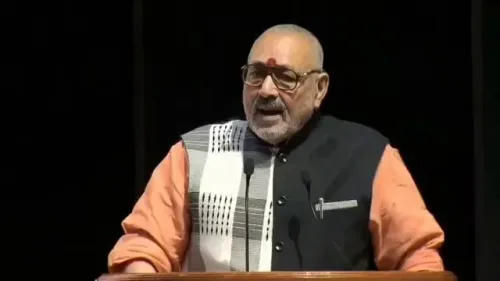
On National Handloom Day, Union Textiles Minister Giriraj Singh spotlighted the e-Pehchan initiative, framing PM Modi's vision of technology-driven inclusion as the key to retaining younger generations in India's handloom sector and delivering welfare directly to weavers.
Key Takeaways
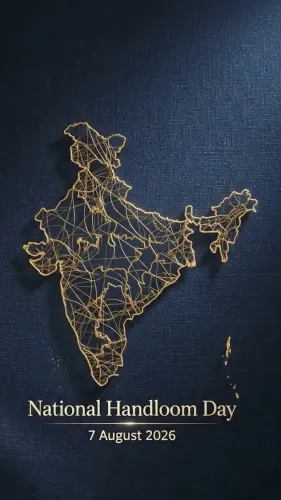
Giriraj Singh posted on August 7, 2026 — National Handloom Day — highlighting the e-Pehchan digital identity scheme for handloom weavers.
The minister quoted PM Modi 's vision: without technology and innovation, the next generation cannot be connected to the handloom sector. e-Pehchan was launched in 2015 by the Ministry of Textiles to register weavers with unique IDs for direct benefit transfers and scheme access.
The initiative is part of the broader Digital India framework applied to artisanal and informal-sector workers.
The core challenge the scheme addresses: millions of weavers remain invisible to state delivery systems without a verified digital identity.
The generational angle is central — the government frames digital integration as the lever to keep younger workers in the handloom trade.
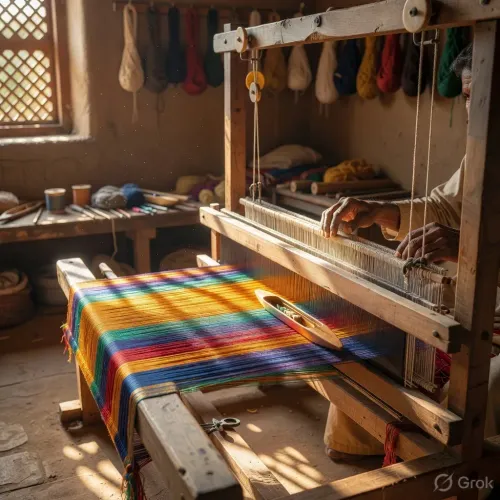
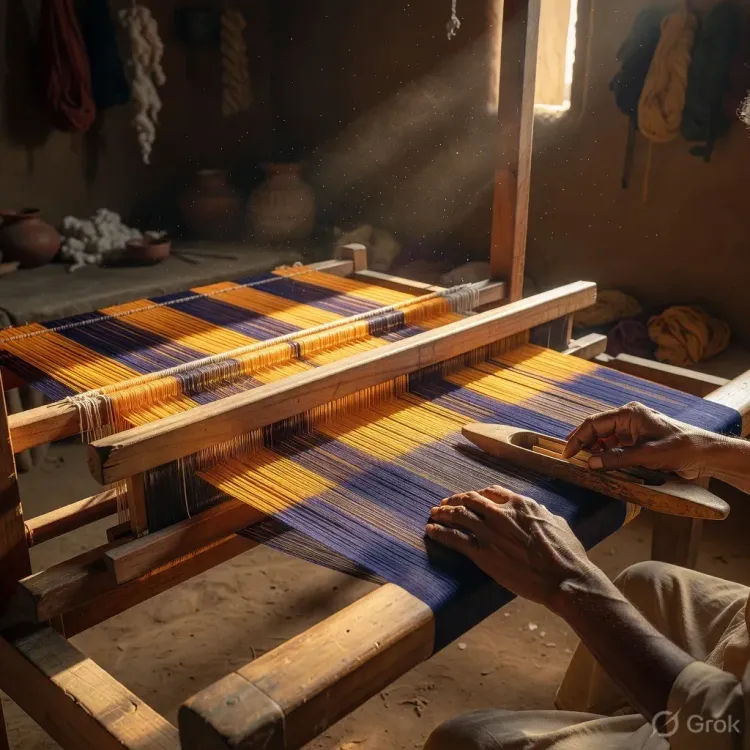
India's vast handloom community — millions of weavers working on traditional looms across villages and towns — sits at a crossroads between heritage and obsolescence. On Friday, August 7, 2026, Union Textiles Minister Giriraj Singh invoked Prime Minister Narendra Modi's vision for the sector, pointing to the e-Pehchan initiative as the bridge between India's weaving tradition and its digital future.
Singh posted in Hindi, stating that PM Modi holds a clear vision: 'बुनकरों को नवाचार और तकनीक से जोड़े बिना नई पीढ़ी को इस क्षेत्र से नहीं जोड़ा जा सकता' — 'without connecting weavers to innovation and technology, the next generation cannot be drawn into this sector.' The minister framed e-Pehchan not merely as a registration drive, but as the mechanism through which lakhs of weavers are being given identity, opportunity, and access to government schemes.
What e-Pehchan Does — and Why It Matters
Launched in 2015 by the Ministry of Textiles, e-Pehchan is a national digital identity programme for handloom weavers. It issues unique identity cards that anchor weavers into a central database, enabling direct benefit transfers and targeted scheme delivery — cutting out the intermediaries who have historically siphoned welfare away from the loom. The logic is straightforward: you cannot deliver a subsidy, a skill-upgrade programme, or an insurance scheme to someone the state cannot see. By giving weavers a verifiable digital identity, e-Pehchan makes the invisible visible — and the unreachable, reachable.The Generational Problem Driving the Push
India's handloom sector is the world's largest, employing millions — yet it faces a slow demographic crisis. Younger family members increasingly migrate to urban centres or mechanised industries, unwilling to inherit a trade that feels disconnected from economic mobility. Singh's post names this explicitly: without innovation and technology, the next generation walks away. The government's bet is that digital integration — identity, scheme access, market linkage — can reframe handloom work as a viable modern livelihood rather than a fading inheritance. It is the same logic that underpins Digital India's broader push to extend state infrastructure to artisanal and informal workers.Handloom Day as the Backdrop
The post lands on August 7, which India observes as National Handloom Day — commemorating the Swadeshi Movement launched on this date in 1905. The choice of timing is deliberate: Singh is anchoring a digital-era welfare tool to a century-old symbol of self-reliance, threading continuity between the Swadeshi spirit and the e-governance present. The sector is watching for concrete updates on e-Pehchan registration targets and any integration with fresh textile policy measures or budget allocations that could follow this signal from the minister.Point of View
Not just cultural preservation. The real test will be whether registration numbers translate into measurable income gains for weavers on the ground.
NationPress
7 Aug 2026
Frequently Asked Questions
What is the e-Pehchan scheme for handloom weavers?
e-Pehchan is a Ministry of Textiles initiative launched in 2015 that issues unique digital identity cards to handloom weavers, enrolling them in a national database so they can access government schemes, subsidies, and direct benefit transfers.
What did Giriraj Singh say about handloom weavers on August 7?
Union Textiles Minister Giriraj Singh said PM Modi's vision is clear — without connecting weavers to innovation and technology, the next generation cannot be brought into the sector. He highlighted e-Pehchan as the vehicle delivering identity, opportunity, and scheme access to lakhs of weavers.
Why is August 7 significant for the handloom sector in India?
August 7 is observed as National Handloom Day in India, commemorating the launch of the Swadeshi Movement on this date in 1905. The government uses the day to highlight policies and achievements in the handloom sector.
How does e-Pehchan help handloom weavers get government benefits?
By assigning each weaver a verified digital identity, e-Pehchan allows the government to deliver subsidies, insurance, and skill-development benefits directly, reducing dependence on intermediaries and ensuring welfare reaches the intended beneficiary.
What is the challenge facing India's handloom sector today?
India's handloom sector faces a generational crisis, with younger family members leaving the trade for urban or mechanised work. The government is betting that digital integration and improved scheme access can make handloom a more economically viable livelihood for the next generation.