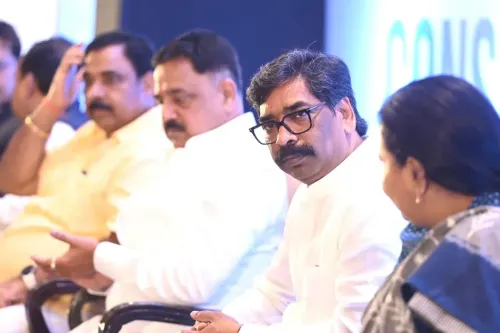
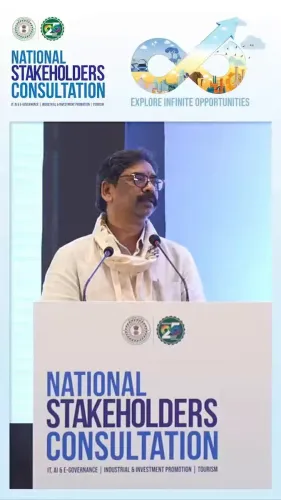
CM Hemant Soren: No one is immune to environmental damage
Synopsis
Chief Minister Hemant Soren of Jharkhand declared on 7 August 2026 that no amount of wealth can shield anyone from the consequences of environmental destruction, directly challenging the assumption that elite status confers immunity from ecological damage.
Key Takeaways
CM Hemant Soren stated on 7 August 2026 that every person — regardless of wealth — will pay the price for tampering with the environment.
The warning was directed at those who believe money, cars, and material comfort make them immune to ecological consequences.
Soren leads the JMM government in Jharkhand , a state whose coal-rich landscape sits at the centre of India's extraction-versus-environment debate.
Jharkhand is home to large tribal populations whose forests and rivers are directly affected by industrial activity.
No specific new policy or scheme was announced alongside the statement; the post is a public accountability message from the Chief Minister's Office.
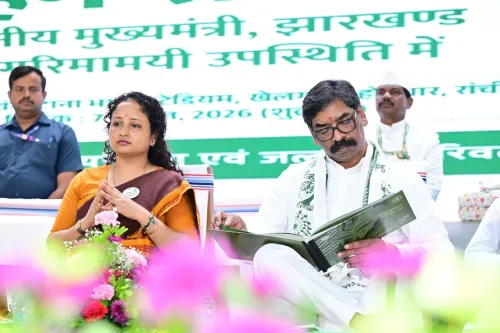
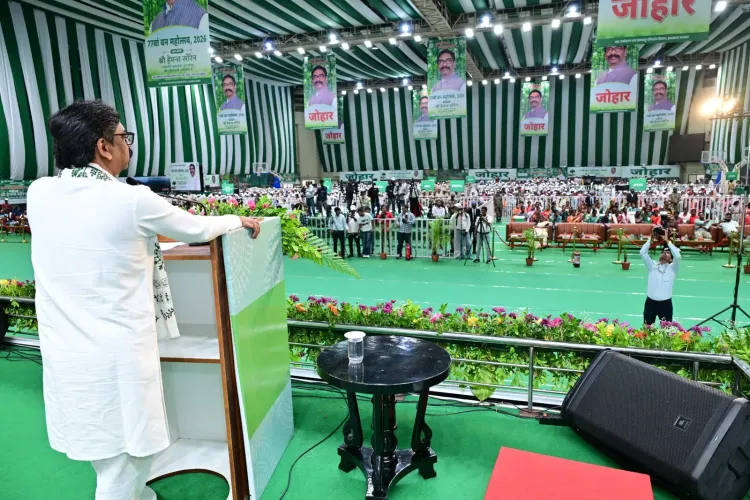
Wealth buys many things — but not a clean sky or a livable planet. Chief Minister Hemant Soren of Jharkhand issued a sharp public warning on Friday, 7 August 2026, pushing back against the notion that money and status can insulate anyone from the consequences of ecological destruction.
Quoting CM Soren directly, the Chief Minister's Office posted: 'Those who are under the illusion that they are elite — they have money, cars, vehicles, everything — nothing can happen to them. That is not so. Every person will have to pay the price for tampering with the environment.'
A warning aimed squarely at privilege
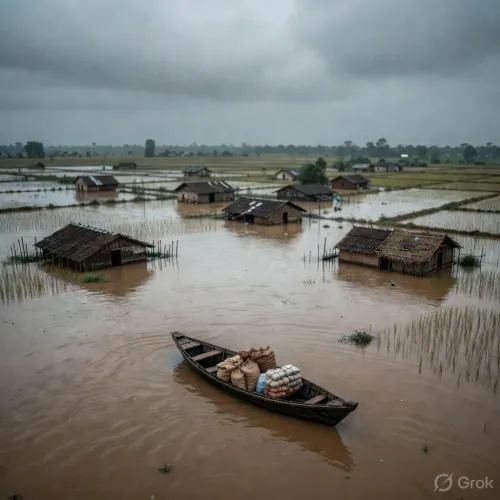
The statement is pointed in its target. Soren is not speaking to subsistence farmers or tribal communities who often bear the first and harshest costs of environmental degradation — he is speaking about those who believe affluence is a shield. In Jharkhand, a state whose mineral wealth has driven decades of coal mining and industrial extraction, the gap between those who profit from the land and those who suffer its depletion is stark and well-documented.
The message lands with particular weight here. Jharkhand holds a significant share of India's coal reserves and is home to large tribal populations whose forests, rivers, and livelihoods sit directly in the path of extraction. Environmental accountability — who pays, and who gets to avoid paying — is not an abstract debate in this state.
Soren's broader environmental posture
Hemant Soren, who leads the Jharkhand Mukti Morcha (JMM) and has served as Chief Minister since 2019 — returning to the post after the 2024 assembly elections — has consistently framed development and environmental protection as inseparable obligations rather than competing priorities. State governments in Jharkhand have periodically issued directives on afforestation, pollution control, and mining oversight, though the tension between royalty-driven revenue and ecological limits remains an ongoing challenge.
Friday's post fits a wider pattern visible across Indian state politics: leaders using public platforms to stress that ecological damage is a collective liability, not one that can be outsourced to the poor.
The accountability argument
The rhetorical force of Soren's statement lies in its universalism. Climate and pollution research consistently shows that while the wealthy can temporarily buy distance from environmental harm — cleaner neighbourhoods, bottled water, air purifiers — no economic buffer is permanent. Groundwater depletion, air quality collapse, and extreme heat events eventually breach every gated wall. Soren is making precisely that argument, in the bluntest possible terms.
Whether this public statement translates into specific state-level policy — new mining regulations, afforestation targets, or pollution-control orders — is the question that will determine whether it is a political signal or a governing one.
Point of View
And it pre-empts criticism that development under his administration has come at ecological cost. The universalist framing — 'every person will pay' — is a rhetorical device that shifts the burden of guilt from state policy to individual complicity, particularly among the affluent. If it is followed by concrete regulatory action on mining or pollution, it becomes a policy signal; if not, it remains a populist statement with no governing teeth. Either way, it reflects a growing awareness among state leaders that environmental messaging now carries real electoral currency.
NationPress
7 Aug 2026
Frequently Asked Questions
What did Jharkhand CM Hemant Soren say about the environment?
CM Hemant Soren said that no one — regardless of wealth, cars, or elite status — is immune to the consequences of tampering with the environment, and that every person will eventually have to pay the price.
When did Hemant Soren make this environmental statement?
The statement was posted by the Chief Minister's Office of Jharkhand on 7 August 2026 .
Why is environmental accountability a big issue in Jharkhand?
Jharkhand holds a large share of India's coal reserves and is home to significant tribal populations whose forests and rivers are directly affected by mining and industrial extraction, making the environment-versus-development tension especially acute.
Who is Hemant Soren and which party does he lead?
Hemant Soren is the Chief Minister of Jharkhand and the leader of the Jharkhand Mukti Morcha (JMM) . He first became CM in 2019 and returned to the post after the 2024 Jharkhand assembly elections.
Did Hemant Soren announce any new environmental policy with this statement?
No specific new policy or scheme was announced alongside the post. It is a public accountability statement; any follow-up orders on pollution control or mining regulations would be the next thing to watch.