Iran-US final nuclear deal talks to begin Friday after MoU signing
Synopsis
Iran and the US are moving from ceasefire to diplomacy at speed. With an MoU already finalised and a Friday signing in Switzerland, Foreign Minister Araghchi has now confirmed that 60-day talks on nuclear issues and sanctions removal begin immediately after — making this the most significant Iran-US diplomatic engagement in years, with Lebanon's occupation explicitly woven into the deal's compliance terms.
Key Takeaways
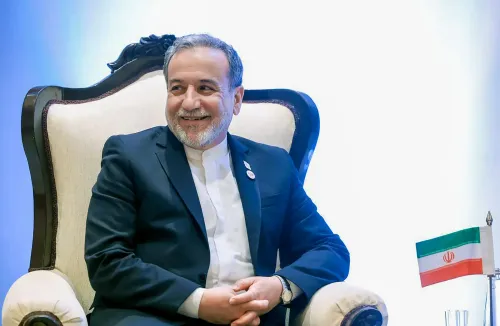
Iranian FM Seyed Abbas Araghchi confirmed on 17 June that Iran-US final agreement negotiations will begin on Friday .
The MoU, finalised on Sunday , will be officially signed in Switzerland on Friday with Pakistan as a co-signatory.
Talks are structured in two stages: the MoU covers the war's end, the Strait of Hormuz , frozen assets, and reconstruction; the second stage runs for 60 days on nuclear issues and sanctions.
Araghchi described the ceasefire as 'immediate and permanent,' explicitly including Lebanon and requiring Israeli withdrawal from occupied Lebanese territories.
The conflict began on 28 February when Israel and the US launched joint strikes on Tehran and other Iranian cities.
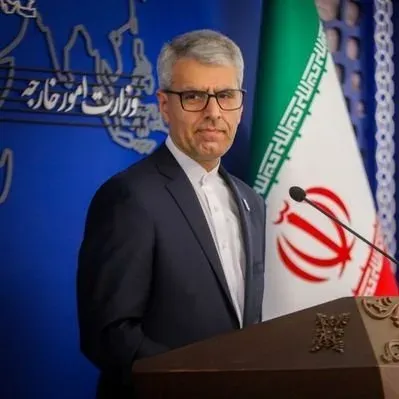
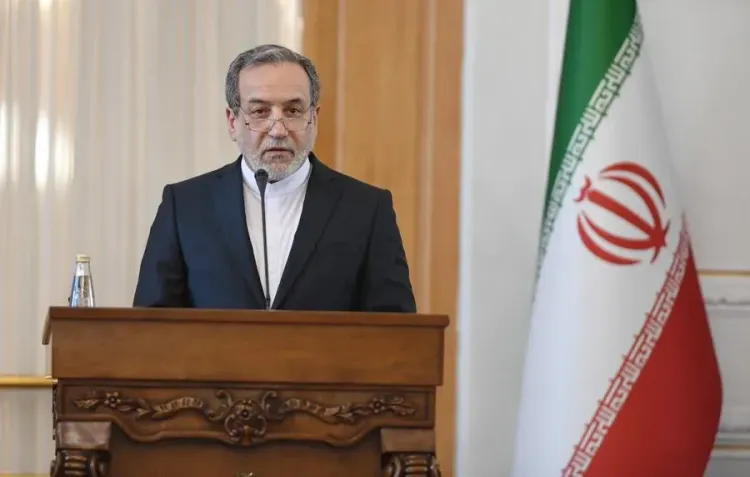
Iranian Foreign Minister Seyed Abbas Araghchi announced on 17 June that negotiations between Iran and the United States on a final agreement will commence on Friday, following the official signing of a memorandum of understanding (MoU) to end the war. Araghchi made the remarks at a meeting with foreign diplomats in Tehran, elaborating on the peace MoU finalised on Sunday between the two countries.
Two-Stage Negotiation Framework
Araghchi explained that the talks have been structured in two distinct stages, citing the complexity of reaching an agreement given what he described as US and Israeli 'criminal aggression' against Iran. 'The new round of negotiations between Iran and the United States on reaching a final agreement will probably begin on Friday at the venue that will be decided,' he said.
The first stage addressed the finalisation of the MoU, covering issues such as the war's end, the Strait of Hormuz, the US anti-Iran naval blockade, Iranian frozen assets, and reconstruction of war damages. The second stage will involve a 60-day negotiation period aimed at reaching a final agreement on nuclear issues and the removal of sanctions on Iran.
End of War: The Central Clause
Araghchi stressed that the most consequential element of the first stage is the formal declaration of an end to the war. He noted that while the end of the war was announced on Monday morning when the agreement was finalised, the official commencement of the MoU is set for Friday.
The minister described the ceasefire as 'immediate and permanent' across all fronts, explicitly including Lebanon. He characterised the war's end in Lebanon as an 'inseparable' part of the Iran-US peace MoU, adding that the agreement requires Israeli forces to withdraw from Lebanese territories occupied during the conflict. 'The war's end is not complete without the Israeli forces' withdrawal from the (Lebanese) territories they occupied in this war,' Araghchi said.
Lebanon Occupation Linked to MoU Compliance
Araghchi further emphasised that Iran will regard any future Israeli military action against Lebanon or continued occupation of Lebanese territory as a direct violation of the peace MoU. This linkage between the Iran-US deal and the Lebanon front marks a significant broadening of the agreement's scope beyond a bilateral ceasefire.
Background and Signatories
The United States, Pakistan, and Iran jointly announced the MoU's finalisation on Monday, following weeks of negotiations. The document is set to be officially signed in Switzerland on Friday. The conflict traces back to 28 February, when Israel and the United States launched joint strikes on Tehran and other Iranian cities. Iran subsequently responded with waves of missile and drone attacks targeting Israel and US bases and assets across the region.
With the MoU signing scheduled for Friday and the 60-day clock on nuclear and sanctions talks set to follow, the coming weeks will be critical in determining whether the framework holds and whether a comprehensive final agreement can be reached.
Point of View
But it also creates a 60-day window in which spoilers — particularly Israel — could act to unravel the framework before it hardens into a final agreement. The explicit inclusion of Lebanon's occupation as an MoU compliance condition is the deal's most ambitious and most vulnerable clause: it ties Iran-US relations to Israeli military decisions that Washington does not fully control. If that clause is tested early, the entire architecture faces a stress test before negotiations on the harder nuclear questions have even begun.
NationPress
15 Sept 2026
Frequently Asked Questions
What is the Iran-US MoU and what does it cover?
The Iran-US memorandum of understanding (MoU) is a peace framework finalised on Sunday and set to be officially signed in Switzerland on Friday. It covers the end of the war, the Strait of Hormuz, the US anti-Iran naval blockade, Iranian frozen assets, and reconstruction of war damages, with a second stage of 60-day talks to follow on nuclear issues and sanctions removal.
When will Iran-US final agreement negotiations begin?
According to Foreign Minister Araghchi, the new round of negotiations toward a final agreement will begin on Friday, following the official signing of the MoU in Switzerland. The second stage of talks is expected to run for 60 days.
Why is Lebanon included in the Iran-US peace MoU?
Araghchi described the end of the war in Lebanon as an 'inseparable' part of the MoU, citing the interconnected nature of the Lebanon and Iran fronts during the conflict. The agreement requires Israeli forces to withdraw from Lebanese territories occupied during the war, and Iran has stated it will treat any continued occupation or Israeli military action in Lebanon as a violation of the MoU.
Who are the signatories to the Iran-US MoU?
The United States, Pakistan, and Iran jointly announced the MoU's finalisation on Monday. Pakistan's inclusion as a co-signatory signals its role as a facilitating party in the negotiations.
How did the Iran-US conflict begin?
The conflict began on 28 February when Israel and the United States launched joint attacks on Tehran and other Iranian cities. Iran responded with waves of missile and drone attacks targeting Israel and US military bases and assets across the region.