Iran FM Aragchi: No US-Iran negotiations underway, MoU violations block talks
Synopsis
Iran's Foreign Minister Aragchi has drawn a hard line: no talks with the US until Washington ends its violations of the MoU and makes amends. With intermediaries still working in the background and Oman negotiations on a Strait of Hormuz sea route quietly advancing, Tehran is signalling it holds leverage — and is in no hurry to blink first.
Key Takeaways
Iranian Foreign Minister Seyyed Abbas Aragchi confirmed on 9 August that no negotiations with the United States are currently underway.
Iran has set a firm precondition: the US must end violations of the Memorandum of Understanding (MoU) and make amends before talks can resume.
Intermediaries are reportedly still working to find a path back to negotiations, according to Aragchi.
Iran and Oman are in the final stage of negotiations on a new sea route in the Strait of Hormuz ; Aragchi clarified this does not mean the strait will be opened.
President Masoud Pezeshkian said on 8 August that Iran is open to peace under the MoU, contingent on the US fostering an 'atmosphere of trust.'
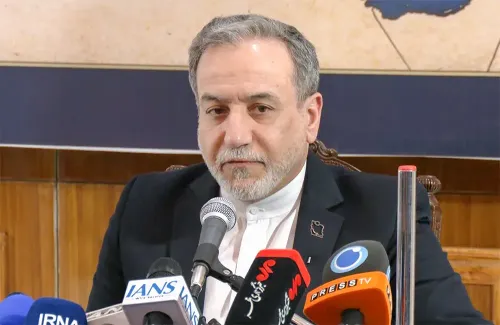
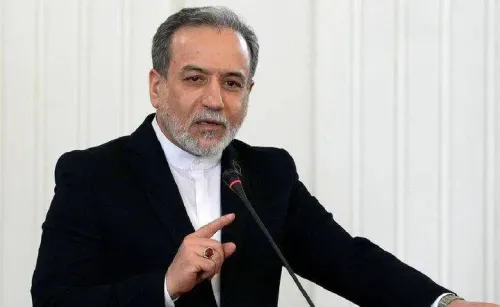
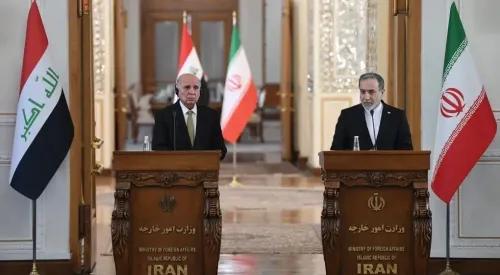
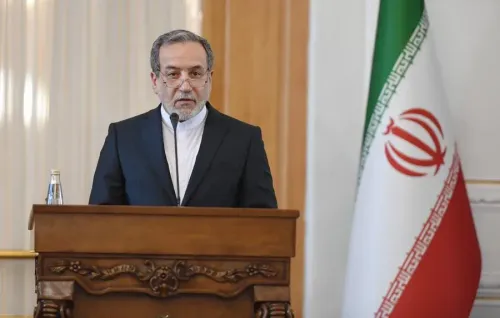
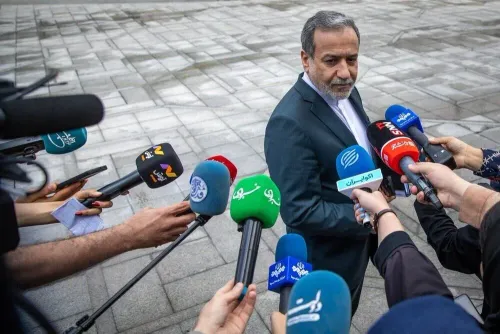
Iranian Foreign Minister Seyyed Abbas Aragchi on Sunday, 9 August categorically stated that Iran and the United States are not engaged in any active negotiations, citing unresolved American violations of a Memorandum of Understanding (MoU) as the primary obstacle to resuming dialogue. Aragchi made the remarks while speaking to reporters at the Centre for Political and International Studies of Iran's Ministry of Foreign Affairs.
Aragchi's Position on Talks
'We currently have no negotiations with the United States. Intermediaries are still making efforts to find ways to resume negotiations,' Aragchi said. He added: 'From our perspective, there can be no resumption of talks until the United States ends its violations of the Memorandum of Understanding and makes amends for the breaches it has committed.'
The Foreign Minister reiterated the precondition in unambiguous terms: 'Until the violations of the memorandum of understanding by the United States are ended and the United States does not make amends for what it has violated, in our opinion, there is no possibility of resuming negotiations.'
Strait of Hormuz: New Sea Route Under Discussion
Aragchi also disclosed that Iran is in the final stage of negotiations with Oman over establishing a new sea route in the Strait of Hormuz, with technical experts working to identify replacement routes for existing ones. However, he was careful to draw a distinction between the route agreement and any broader strategic shift. 'This does not mean the opening of the Strait of Hormuz. This agreement may be reached, but the opening of the Strait of Hormuz is subject to a series of conditions,' he emphasised. The Strait of Hormuz is a critical global oil transit chokepoint, and any change in its operational status carries significant implications for energy markets worldwide.
President Pezeshkian's Parallel Signal
A day earlier, on Saturday, 8 August, Iranian President Masoud Pezeshkian offered a more conciliatory tone at a press conference, saying Tehran would continue pursuing peace under the MoU framework — provided Washington helps establish an atmosphere of trust. 'Now is the best time to reach an agreement, as there is solidarity, power and unity in the country,' Pezeshkian said.
'We are determined to use the MoU as the basis provided that the United States lets go of the atmosphere of distrust it has created, and an atmosphere of trust is formed,' the President added. The dual messaging from Iran's top leadership — Aragchi's hard preconditions alongside Pezeshkian's conditional openness — reflects the internal complexity of Tehran's diplomatic posture as both sides navigate an impasse.
Context and What Comes Next
The standoff comes against a backdrop of repeated failed attempts to revive the 2015 Joint Comprehensive Plan of Action (JCPOA), from which the US unilaterally withdrew in 2018. Intermediaries, including Oman, have historically played a back-channel role in US-Iran communications. Aragchi's confirmation that intermediaries are 'still making efforts' suggests diplomatic contact has not been fully severed, even as formal talks remain stalled. How Washington responds to Tehran's MoU preconditions will likely determine whether any resumption of negotiations is possible in the near term.
Point of View
With Pezeshkian sounding conciliatory a day earlier, is a calibrated move: Iran signals it wants a deal but will not absorb the cost of appearing to chase one. The MoU violations framing also shifts accountability squarely onto Washington, complicating any US narrative that Iran is the obstruction. With Oman quietly advancing on the Hormuz route agreement, Tehran appears to be building leverage — not burning it.
NationPress
23 Sept 2026
Frequently Asked Questions
Are Iran and the US currently in negotiations?
No. Iranian Foreign Minister Seyyed Abbas Aragchi confirmed on 9 August that there are no ongoing negotiations between Iran and the United States. He said intermediaries are still working to find a path to resumption, but formal talks have not restarted.
What is blocking the resumption of Iran-US talks?
Iran has set a firm precondition: the United States must end its violations of the Memorandum of Understanding (MoU) and make amends for those breaches before negotiations can resume. Aragchi stated this position explicitly at the Centre for Political and International Studies in Tehran.
What is the significance of the Strait of Hormuz sea route talks with Oman?
Iran and Oman are in the final stage of negotiations to establish a new sea route in the Strait of Hormuz, with technical experts identifying replacement routes. Aragchi clarified that this does not constitute an opening of the strait, which he said remains subject to a separate set of conditions.
What did Iranian President Pezeshkian say about the peace process?
President Masoud Pezeshkian said on 8 August that Iran will continue pursuing peace under the MoU framework, but only if the United States helps build an atmosphere of trust. He described the current moment as 'the best time to reach an agreement,' citing domestic solidarity and unity.
What is the MoU referenced in Iran's diplomatic position?
The Memorandum of Understanding (MoU) is the framework document underpinning Iran's current diplomatic engagement with the US. Tehran accuses Washington of violating its terms and insists those violations must be remedied — with amends made — before any resumption of formal negotiations can take place.