Iran rules out US talks for now, mediator consultations ongoing over nuclear deal
Synopsis
Iran's top diplomat has flatly ruled out any near-term meeting with US officials, even as a delegation sits in Doha for mediator-led consultations. With Tehran demanding sanctions relief, a Hormuz shipping deal, and a drawdown of US forces before talks begin, and the Islamabad MoU deadline already missed, the diplomatic clock is ticking — and a letter from VP J D Vance deemed a 'positive step' may be the only open door left.
Key Takeaways
Iranian Foreign Minister Seyed Abbas Araghchi said on 31 October 2026 that Tehran has no plans to meet US officials at present.
Iran has sent a delegation to Qatar to continue consultations with mediators over its conditions for resolving the crisis.
Tehran's preconditions include recognition of a new Strait of Hormuz shipping route, lifting of post- Islamabad MoU sanctions, a drawdown of US forces, restoration of oil export waivers, and release of all frozen Iranian funds.
A letter from US Vice President J D Vance was reviewed at high-level meetings; Araghchi called Washington's outreach a 'positive step.' The Islamabad MoU signed on 18 June set a 60-day negotiation deadline ( 17 August ); both sides failed to reach a final agreement by that date.
Mediators have reportedly presented proposals on Iran's nuclear programme , which Tehran is reviewing as part of a 'second phase.'
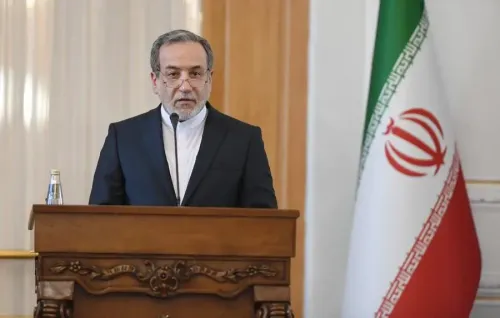
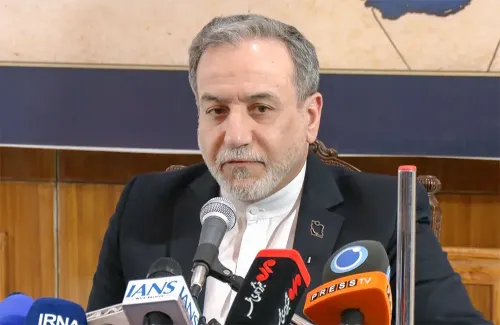
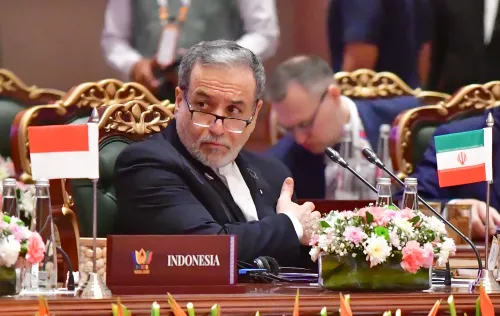
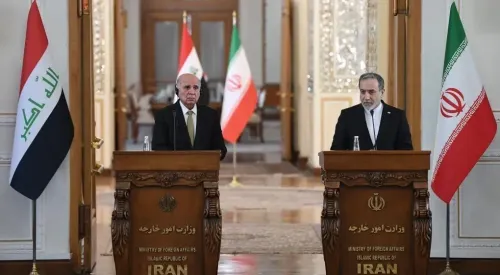
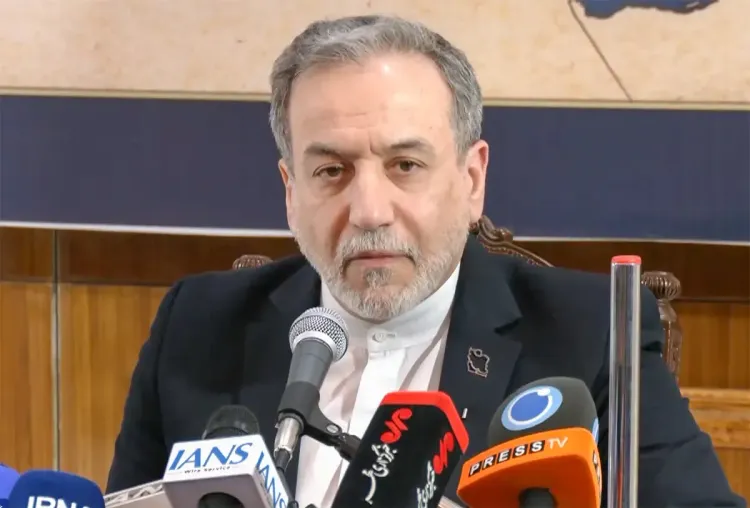
Iranian Foreign Minister Seyed Abbas Araghchi said on Saturday, 31 October 2026 that Tehran currently has no plans to meet with US officials, even as consultations with mediators continue over Iran's conditions for resolving the ongoing crisis. Araghchi, speaking in an interview with Al Jazeera, dismissed reports of imminent bilateral meetings as media speculation, stating Iran saw no need for direct contact with Washington at this stage.
Iran's Conditions on the Table
According to Araghchi, Tehran will decide whether to pursue direct or indirect negotiations only after Washington formally accepts Iran's preconditions. Among those conditions: recognition of a new shipping corridor through the Strait of Hormuz that Iran had worked out with Oman, and the closure of alternative routes. Tehran is also seeking the lifting of sanctions imposed following the Islamabad Memorandum of Understanding (MoU), a reduction in US military forces in the region, the restoration of sanctions waivers for Iranian oil exports, and the release of all frozen Iranian funds — including those held in Qatar. Iran has additionally demanded an end to hostilities on all fronts, including Lebanon.
Delegation Dispatched to Qatar
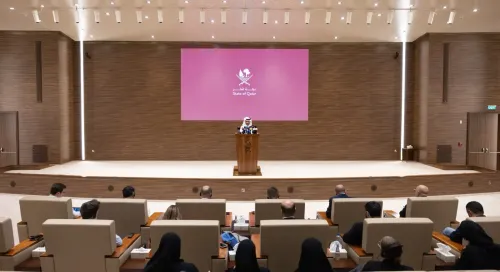
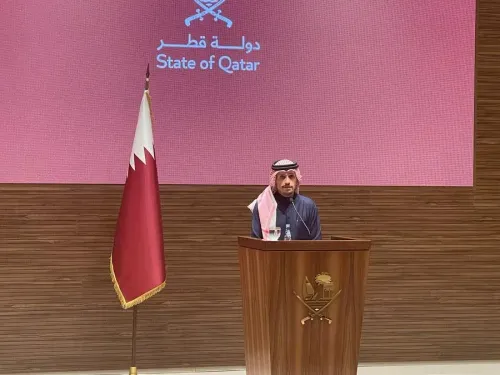
Araghchi confirmed that an Iranian delegation had travelled to Qatar for further discussions, with his aide present to continue consultations with mediators. The talks represent what Araghchi described as a second phase of the process, during which mediators have reportedly presented proposals concerning Iran's nuclear programme that Tehran is currently reviewing.
Vance Letter Acknowledged as 'Positive Step'
The Iranian Foreign Minister said a letter from US Vice President J D Vance had been reviewed at high-level meetings in Tehran. Araghchi described the American effort to open the door to broader dialogue and understanding as a 'positive step,' though he stopped short of indicating any immediate shift in Iran's negotiating posture.
Background: From Airstrikes to the Islamabad MoU
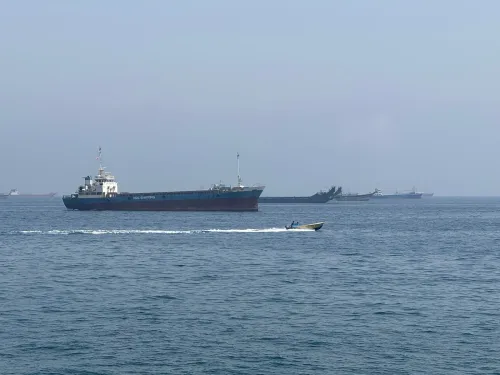
The current diplomatic impasse follows a dramatic escalation earlier this year. On 28 February, Israel and the United States launched joint attacks on Tehran and other Iranian cities. Iran responded with waves of missile and drone attacks targeting Israel and US bases across the region, while tightening its grip on the Strait of Hormuz. A ceasefire was achieved between the warring parties on 8 April. On 18 June, Iran and the United States signed the Islamabad MoU, committing both sides to negotiations within 60 days — a deadline that fell on 17 August — aimed at finalising a deal on Iran's nuclear programme and the removal of sanctions. Those talks, however, failed to produce sufficient progress toward a final agreement, setting the stage for the current deadlock.
What Comes Next
The stalled negotiations leave the post-ceasefire framework in a fragile state. With Iran insisting on preconditions and Washington yet to formally respond to Tehran's demands, the pathway to a lasting agreement remains narrow. Observers will watch closely whether the mediator-led track in Doha produces any bridging proposals that could bring both sides back to the table.
Point of View
A military drawdown, and a new Hormuz framework before it will even agree to sit across the table. That sequencing is historically the hardest to bridge. Notably, the Islamabad MoU, which was supposed to be a ceasefire-to-deal pipeline, has already missed its negotiating deadline; what remains is a fragile truce without a political architecture to sustain it. The acknowledgement of Vance's letter as a 'positive step' is a carefully calibrated signal — it keeps the door ajar without conceding ground. The real question is whether the Doha mediator track can produce a confidence-building measure narrow enough for both sides to accept without either appearing to capitulate.
NationPress
31 Oct 2026
Frequently Asked Questions
Why is Iran refusing to meet US officials right now?
Iran's Foreign Minister Seyed Abbas Araghchi said Tehran sees no need to meet US officials at present, dismissing reports of planned meetings as media speculation. Iran's position is that direct or indirect negotiations will only begin after Washington accepts Tehran's stated preconditions, which include sanctions relief, a military drawdown, and recognition of a new Hormuz shipping route.
What are Iran's conditions for resuming nuclear negotiations with the US?
Iran is seeking recognition of a new shipping corridor through the Strait of Hormuz agreed with Oman, the lifting of sanctions imposed after the Islamabad MoU, a reduction in US military forces in the region, restoration of sanctions waivers for Iranian oil exports, the release of all frozen Iranian funds including those in Qatar, and an end to hostilities on all fronts including Lebanon.
What is the Islamabad MoU and why does it matter?
The Islamabad Memorandum of Understanding (MoU) is an agreement signed by Iran and the United States on 18 June 2026 to end the regional conflict and commit both sides to negotiations within 60 days. The deadline, which fell on 17 August 2026, passed without sufficient progress toward a final deal on Iran's nuclear programme or the lifting of sanctions, leaving the post-ceasefire framework in limbo.
What did US Vice President J D Vance's letter say to Iran?
The contents of the letter were not disclosed, but Iranian Foreign Minister Araghchi said it was reviewed at high-level meetings in Tehran and described Washington's broader effort to open dialogue as a 'positive step.' It did not, however, prompt any immediate change in Iran's negotiating stance.
What happens next in the Iran-US standoff?
An Iranian delegation is currently in Qatar for mediator-led consultations, and Tehran is reviewing proposals on its nuclear programme as part of what Araghchi called a second phase of talks. Any breakthrough depends on whether mediators can bridge the gap between Iran's preconditions and Washington's current position, with observers tracking the Doha process closely.